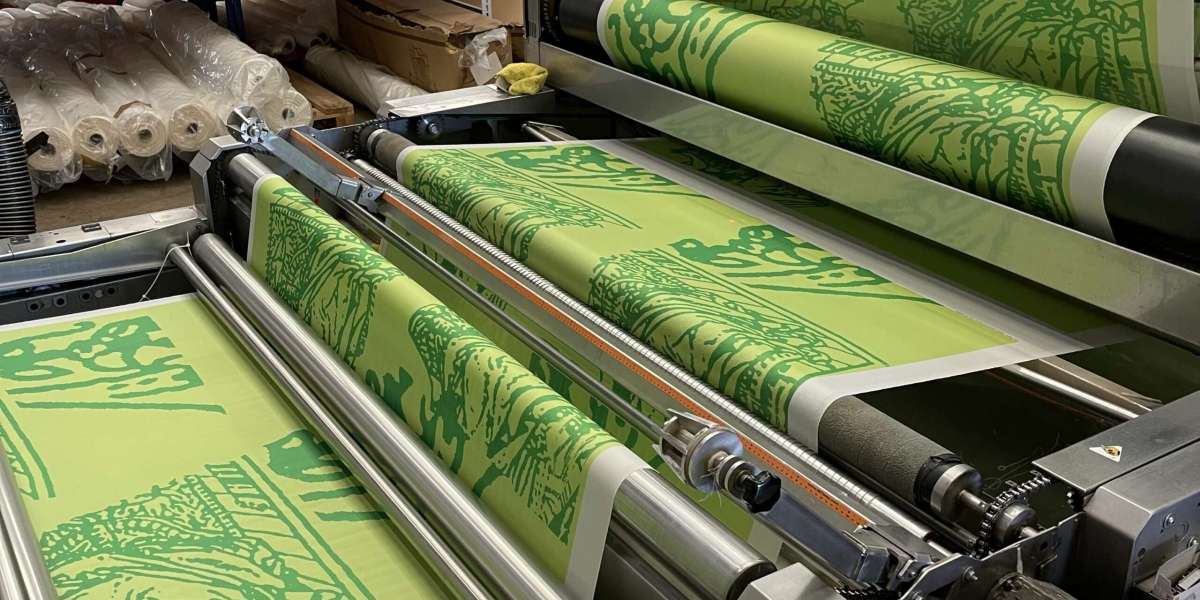

Digital printing on fabric has become one of the most significant innovations in the textile industry. This modern printing method allows designs, patterns, and images to be transferred directly onto fabric using digital technology. Unlike traditional methods such as screen printing, digital printing does not require separate screens for each color, making it faster and more flexible.
The growing demand for personalized clothing, home décor products, and short production runs has increased the popularity of digital printing on fabric. Designers and manufacturers can create highly detailed prints with vibrant colors while reducing setup time and material waste. This technology has opened new opportunities for creative expression and efficient textile production.
What Is Digital Printing on Fabric?
Digital printing on fabric is a process in which a digital image is printed directly onto textile material using specialized printers and inks. The design is first created or edited on a computer and then sent to a digital textile printer. The printer applies the ink to the fabric according to the digital file, producing a high-resolution print.
This method is suitable for a variety of fabrics, including cotton, silk, polyester, linen, and blended textiles. The choice of ink and printing technique depends on the fabric type and the desired final result.
How Digital Fabric Printing Works
Design Creation
The process begins with the creation of a digital design. Graphic design software is used to prepare patterns, illustrations, photographs, or other artwork. The design file is adjusted for size, color accuracy, and print resolution.
Fabric Preparation
Certain fabrics require pre-treatment before printing. Pre-treatment helps the fabric absorb the ink properly and improves color vibrancy and durability. Different fabrics may need different preparation methods.
Printing Process
The prepared fabric is loaded into a digital textile printer. The printer applies the ink directly onto the fabric surface, following the digital design file. This allows for precise placement of colors and intricate details.
Fixation and Finishing
After printing, the fabric may undergo fixation processes such as steaming, heat curing, or washing. These steps help bond the ink to the fabric fibers and improve wash fastness, color retention, and overall durability.
Types of Digital Fabric Printing
Direct-to-Fabric Printing
In direct-to-fabric printing, the design is printed directly onto the fabric surface. This method is commonly used for natural fibers such as cotton and silk. It produces soft prints with excellent detail and breathability.
Dye Sublimation Printing
Dye sublimation printing is primarily used for polyester fabrics. The design is first printed onto transfer paper and then transferred to the fabric using heat. The ink turns into gas and bonds with the polyester fibers, resulting in vibrant and durable prints.
Pigment Printing
Pigment printing uses pigment-based inks that sit on the fabric surface. This method is versatile and can be used on many fabric types. It is often chosen for its lower water consumption and simplified production process.
Reactive Printing
Reactive printing is commonly used for natural fibers such as cotton, linen, and silk. Reactive inks chemically bond with the fabric fibers, producing bright colors and strong wash resistance.
Advantages of Digital Printing on Fabric
High Design Flexibility
Digital printing allows designers to create complex patterns, photographic images, and detailed artwork. It supports unlimited color combinations and smooth gradients, which can be difficult to achieve with traditional printing methods.
Efficient Small Production Runs
Traditional textile printing often requires costly setup processes, making it less economical for small orders. Digital printing on fabric is ideal for short production runs because it does not require screens or plates.
Reduced Waste
Digital printing uses ink more efficiently and generates less waste compared to many conventional printing methods. Since the design is printed directly from a digital file, there is less excess material and fewer unused printing components.
Faster Turnaround Time
The digital workflow enables designs to move quickly from concept to production. This is particularly beneficial for fashion brands, custom product manufacturers, and businesses that need rapid prototyping.
Customization Opportunities
Digital printing makes it easy to produce personalized fabrics with unique designs, names, logos, or artwork. This capability is valuable for custom apparel, promotional items, and home décor products.
Applications of Digital Fabric Printing
Fashion and Apparel
The fashion industry uses digital printing to create unique garments, seasonal collections, and limited-edition designs. It allows designers to experiment with patterns and colors without the limitations of traditional screen printing.
Home Décor
Digital printing is widely used for curtains, upholstery, bed linens, cushions, and tablecloths. Manufacturers can produce customized designs that match specific interior design themes and customer preferences.
Sportswear and Activewear
Dye sublimation printing is especially popular in sportswear because it produces vibrant, durable prints on polyester fabrics. Team uniforms, athletic apparel, and performance wear often rely on this method.
Promotional Products
Businesses use digital fabric printing for banners, flags, tote bags, and branded merchandise. The ability to print logos and custom graphics makes it an effective choice for marketing and promotional campaigns.
Practical Benefits and Key Insights
Cost-effective for small orders: Digital printing eliminates the need for expensive screens and plates.
Excellent print quality: High-resolution printing produces sharp details and vibrant colors.
Quick design adjustments: Designers can easily modify digital files without changing physical printing equipment.
Versatility: The process can be adapted for various fabric types and applications.
Support for sustainable production: Reduced waste and efficient ink usage contribute to more environmentally responsible manufacturing practices.
Common Challenges and Considerations
Fabric Compatibility
Not all fabrics respond equally well to digital printing. The choice of ink and pre-treatment method must be carefully matched to the fabric type to achieve optimal results.
Ink Selection
Different inks are designed for specific fabrics and applications. Using the wrong ink can result in poor color fastness, reduced durability, or unsatisfactory print quality.
Color Consistency
Maintaining consistent colors across different batches and fabric types can be challenging. Proper color calibration and testing are essential for achieving reliable results.
Initial Equipment Investment
High-quality digital textile printers can require significant upfront investment. Businesses should evaluate production volume, maintenance requirements, and technical expertise before adopting this technology.
Frequently Asked Questions
What fabrics can be used for digital printing?
Digital printing can be used on many fabrics, including cotton, silk, polyester, linen, and blended textiles. The suitable printing method depends on the fabric type and desired finish.
Is digital printing on fabric durable?
Yes, when the correct ink, fabric preparation, and fixation processes are used, digital prints can be durable and resistant to washing and fading.
How does digital printing differ from screen printing?
Digital printing transfers designs directly from a digital file onto fabric, while screen printing uses separate screens for each color. Digital printing is more suitable for detailed designs and small production runs.
Is digital printing environmentally friendly?
Digital printing can be more environmentally friendly than some traditional methods because it often uses less water, produces less waste, and applies ink more efficiently.
What industries benefit most from digital fabric printing?
Industries such as fashion, home décor, sportswear, and promotional product manufacturing benefit significantly from digital fabric printing due to its flexibility and customization capabilities.
Conclusion
Digital printing on fabric has transformed the textile industry by offering a flexible, efficient, and high-quality printing solution. Its ability to produce detailed designs, support small production runs, and reduce waste makes it a valuable option for modern textile manufacturing.
As technology continues to advance, digital fabric printing is expected to become even more versatile and sustainable. Businesses and designers who understand its processes, benefits, and challenges can make informed decisions about incorporating this innovative printing method into their production strategies.