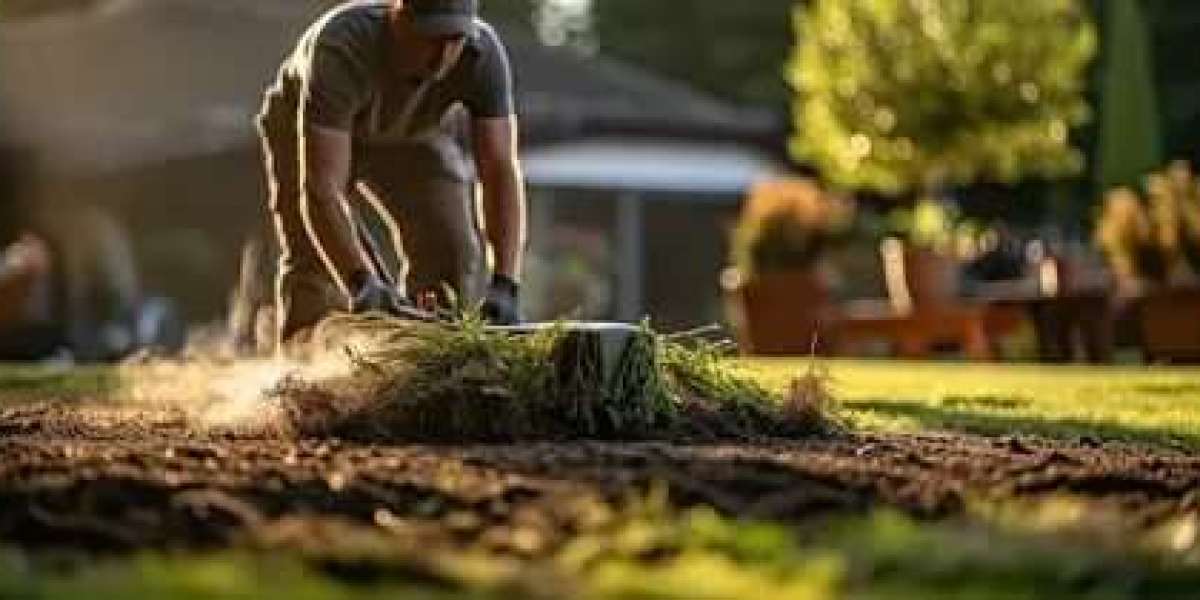

You spent real money on it. The plants looked healthy, the mulch was fresh, and the whole yard had that put-together look you'd been wanting for years. Then, somewhere around month fourteen, things started going sideways. Plants thinned out. Bare patches showed up. A couple of shrubs just sort of gave up. If that sounds familiar, you're not alone, and the yard isn't necessarily ruined. The problem is that most homeowners don't get a clear explanation of why this happens. Good Danville outdoor landscaping can absolutely hold up over time, but only if the right conditions are in place from the start and kept up along the way. This article breaks down the real causes of landscape decline and gives you a practical path to fix it.
Soil Problems Nobody Talks About at Installation
Soil compaction is one of the biggest killers of a healthy yard. It happens quietly. Foot traffic, heavy rain, and the weight of equipment during installation all press the soil particles together until roots literally can't push through anymore. Water pools instead of draining. Oxygen can't reach root zones. Plants look stressed even when you're watering them regularly, which makes the whole thing confusing.
Poor drainage makes everything worse. If your yard has low spots or clay-heavy soil, water sits around root systems long enough to cause rot. And here's something most people don't think about: root competition. When plants are placed too close together, their root systems start fighting for the same water and nutrients. One plant wins. The others slowly lose. You end up with patchy areas that look like random failures but are actually pretty predictable if you know what to look for.
A basic soil test fixes a lot of the guesswork. You can get one through your county extension office for next to nothing. It tells you pH, nutrient levels, and drainage behavior. According to Penn State Extension's soil testing guidance, correcting pH alone can dramatically change how well plants absorb nutrients, even if you've been fertilizing consistently. That's worth knowing before you buy another bag of fertilizer that isn't actually helping.
Wrong Plants in the Wrong Spots
This one's painful because it usually traces back to decisions made at installation. Not all plants work in all conditions. Some need full sun all day. Others burn if they get more than four hours of direct light. Put a shade-lover in a south-facing bed and it'll struggle through the first summer and look half-dead by the second.
Soil type matters just as much as sun exposure. Sandy soil drains too fast for moisture-loving species. Clay holds water too long for plants that need good drainage. And seasonal climate shifts catch people off guard, especially with borderline-hardy species that do fine in a mild winter but get wiped out when temperatures drop hard in January or February.
The fix here isn't always a full replant. Sometimes it's just moving a few plants to better spots and filling gaps with species that actually match the conditions you have. Talk to a local nursery or landscaper who knows your specific area, because what works two counties over might not work in your yard.
Watering: Too Much, Too Little, and the Confusion Between Them
Drought stress and overwatering rot look surprisingly similar at first glance. Both cause wilting. Both cause yellowing leaves. Most homeowners assume they're not watering enough and add more water, which makes overwatering rot significantly worse. So knowing which problem you actually have matters.
Drought stress usually shows up in the afternoon. Leaves wilt in the heat and perk back up by morning. The soil two inches down feels dry and crumbly. Overwatering is different. Leaves stay yellowed or droopy even in the cool morning hours, and the soil feels soggy or smells faintly musty. Roots may actually be rotting underground while the plant still looks like it just needs a drink.
Inconsistent watering schedules are the root of most of this. Watering heavily once a week, then skipping two weeks, then watering again doesn't give plants the stability they need. A drip irrigation system set to run shorter cycles more frequently does a much better job. It's not a huge expense, and it removes the guesswork entirely.
Seasonal Maintenance Gaps That Quietly Wreck a Yard
Skipping mulch replenishment is something people do every single year without realizing the cost of it. Mulch does three things: it holds moisture, regulates soil temperature, and suppresses weeds. When it breaks down and isn't replaced, all three benefits disappear. Weeds move in fast. Soil dries out faster in summer. Temperature swings stress root systems during cold snaps.
Pruning timing errors cause real structural damage. Pruning spring-blooming shrubs in early spring, right before they flower, removes the buds you waited all winter for. Pruning too late in fall can push tender new growth that gets killed by frost. And skipping pruning entirely leads to leggy, overgrown plants that block light from reaching lower growth. The shape of the whole bed deteriorates within two or three seasons.
Fertilization timing is just as easy to get wrong. Feeding plants heavy nitrogen in late summer pushes new growth right before dormancy, and that new growth doesn't have time to harden off before frost hits. Spring and early summer are generally the right windows, but it depends on the plant type. An affordable landscaper in danville va can put together a simple maintenance calendar so you're not guessing season to season.
How to Actually Audit and Restore What You Have
Start with the soil test. Don't skip this step. Once you have results, you know what amendments to add before you do anything else. Then walk the yard with fresh eyes and make a list of every plant that's struggling. Note the sun exposure in that spot, the drainage, and whether the plant was ever really suited to that location.
Next, look at your irrigation. Run it manually and watch where the water actually goes. You'll probably find dry zones and soggy zones that your schedule isn't accounting for. Adjust head positions or cycle times before you assume plants are dying from disease or pests.
If you want a professional set of eyes on the whole property, BerryHill Landscapes is one option worth looking at for a full assessment, especially if you're not sure which problems are soil-related versus plant-selection-related versus maintenance-related. Sometimes a one-time professional walkthrough saves you from buying plants that'll fail for the same reasons the last ones did.
Replanting strategy matters too. Don't just fill the gap with whatever's on sale at the garden center. Match the plant to the actual conditions: sun hours, soil drainage, mature size, and your local frost dates. Group plants with similar water needs together so your irrigation can serve them properly without overwatering one bed to save another.
The last piece is consistency. A yard that gets regular attention in small doses holds up far better than one that gets ignored for six months and then aggressively fixed. Danville outdoor landscaping holds its look when the maintenance matches the plants, not just the installation budget.
Frequently Asked Questions
How do I know if my soil is compacted?
Push a screwdriver or a pencil straight down into the soil. If it goes in easily six inches or more, you're probably fine. If it hits resistance after two or three inches, compaction is likely a factor. Aerating in fall or spring opens things back up and makes a noticeable difference within one growing season.
Can I fix a failing landscape without starting over completely?
Most of the time, yes. A full replant is rarely necessary. Usually it's a combination of soil amendment, moving a handful of plants to better spots, adjusting the watering schedule, and adding a fresh layer of mulch. Start with the soil test and go from there before pulling anything out.
How do I find a reliable affordable landscaper in danville va?
Ask neighbors who have yards you actually like. Check Google reviews and look for landscapers who respond to negative reviews professionally, that tells you a lot about how they handle problems. Get two or three quotes and ask each one to explain what they'd do and why, not just what it costs.
What's the most common reason a professionally installed landscape fails early?
Wrong plant selection for the site conditions. It's not glamorous, but it's the truth. A plant that's beautiful in a shaded, moist bed will decline fast if it gets planted in full sun with poor drainage. No amount of watering or fertilizing fixes a fundamental mismatch between plant and environment.
When is the right time to call a professional landscaper instead of handling it myself?
If you've done the soil test, adjusted the watering, and replanted a few problem areas but things still aren't recovering after a full season, bring someone in. Also worth doing if you're not sure whether you're dealing with a disease, a pest, or a care issue, because treating the wrong problem wastes time and money.