
Slow drains are annoying. A drain that gurgles, backs up, or smells like something died in the wall is worse. Most people try a bottle of store-bought drain cleaner first, then a plunger, then maybe a second bottle of drain cleaner. Sound familiar? At some point, the problem doesn't go away on its own, and you start wondering whether it's time to call someone. The hesitation is usually the same: you don't really know what a professional is going to do, how long it'll take, or whether your bathroom is going to be torn apart. If you're looking at Drain Cleaning Services in Palm Springs CA, here's a straightforward look at what actually happens from the moment a technician shows up to the moment they leave.
The First Thing They Do: Assess Before They Touch Anything
A good technician won't just start snaking a drain the second they walk in. First, they'll ask you questions. Where's the problem? Is it one drain or several? How long has it been slow? Those answers matter because a single slow sink usually means a localized clog, while multiple drains backing up at once can point to something deeper in the main line.
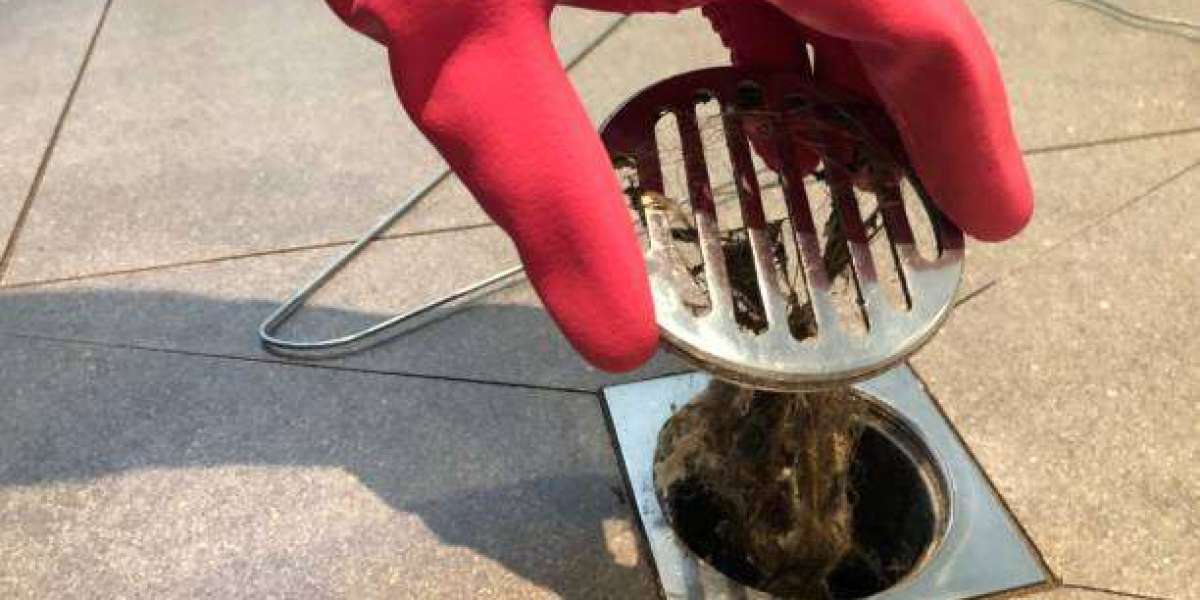
After the questions, most pros do a quick visual check around the affected area. For more stubborn or recurring problems, they'll run a small camera down the drain. That camera feed shows them exactly what's in there, whether it's a grease buildup, a root intrusion, a collapsed pipe section, or just a hairball the size of a small animal. Honestly, this step saves a lot of guesswork. You're not paying for someone to poke around blindly.
According to the Wikipedia overview of drain cleaning methods, camera inspections have become standard practice for professional plumbers because they reduce unnecessary work and help identify the right fix the first time. That's good for your wallet and good for your pipes.
The Main Methods Professionals Actually Use
There are a handful of ways a pro might clean your drain, and the choice depends on what the inspection turns up. Not every clog needs the same fix. Here's a quick breakdown of the most common approaches.
Drain snaking (also called augering): A long, flexible metal cable with a corkscrew tip gets fed into the pipe. It either breaks up the clog or hooks it so the tech can pull it out. Fast, affordable, and works well for most standard household clogs.
Hydro jetting: High-pressure water gets blasted through the pipe. It doesn't just punch through the blockage, it scours the pipe walls clean. Better for heavy grease buildup, older pipes with years of gunk layered inside, or recurring clogs that keep coming back.
Enzyme treatments: A biological solution gets introduced into the drain to break down organic material over time. Slower than the other two methods, but sometimes recommended as a follow-up treatment or for minor buildup rather than a full blockage.
Snaking handles most routine jobs. Hydro jetting is the heavier-duty option and costs a bit more, but for drains that have been neglected for years, it's usually worth it. Your technician will tell you which method fits the situation after the inspection, not before.
How Long the Whole Thing Takes
Most standard drain cleaning appointments run between one and two hours. That includes arrival, the inspection, the actual cleaning, and a quick check afterward to confirm water is flowing the way it should. Simple clogs in a bathroom sink or tub can be done in under an hour. Main line issues or heavy hydro jetting jobs take longer, sometimes closer to two or three hours depending on what they find.
The location of the clog matters too. A kitchen drain near the sink trap is easy to access. A clog deep in a main sewer line requires more setup and more time. That said, most residential jobs don't drag on all day. You're not going to lose your whole Saturday waiting around.
What You'll Notice During and After the Service
During the cleaning, you might hear some noise. Snaking sounds like a spinning cable rattling through the pipe. Hydro jetting is louder, a bit like a pressure washer running inside your wall. Neither is alarming. Normal.
Right after the job, there's sometimes a temporary smell. When a clog breaks up, especially one that's been sitting in the pipe for a while, it releases whatever was trapped in there. That odor usually clears within an hour or so, especially if you run warm water down the drain for a few minutes. What you should notice right away is better flow. Water draining quickly, no gurgling, no standing water pooling in the shower. That's the baseline you should expect from a clean drain.
If you've been dealing with Drain Cleaning in Palm Springs CA needs for a while, you might be surprised how much better even a single cleaning makes things feel throughout the whole plumbing system. One slow drain can back pressure into neighboring lines in ways that aren't obvious until everything is cleared out.
What a Good Technician Will Tell You Before They Leave
A professional who's done their job right won't just pack up and go. They'll walk you through what they found and what they did. That matters. You should know whether it was a simple grease clog, a tree root starting to push in, or a buildup that's been accumulating for years.
Most techs will also give you a few maintenance tips. Run hot water down your kitchen drain after washing dishes. Use a hair catcher in the shower. Avoid dumping cooking grease down the sink. Obvious stuff, maybe, but it's worth hearing from someone who just pulled a nasty clog out of your pipes. They'll also tell you how often they'd recommend a cleaning based on the age of your plumbing and how hard you use it. For most households, once every year or two is plenty. For older homes or heavy use, more frequent service makes sense.
If you're in the Coachella Valley area and want a local company that handles this kind of work, DND Plumbing is one option people use for both routine and urgent drain issues. Worth knowing about if you'd rather not deal with it yourself.
Staying on top of Drain Cleaning in Palm Springs CA doesn't have to be complicated. A yearly check, some basic habits at home, and a technician you trust go a long way toward keeping your plumbing quiet and uneventful.
Frequently Asked Questions
Do I need to be home during the drain cleaning appointment?
Yes, generally. The technician needs access to the affected drains and may need to run water or check multiple fixtures. Someone over 18 should be present the whole time so you can answer questions and approve any work before it starts.
Will drain cleaning damage my pipes?
Not if it's done right. Snaking is gentle on most pipe materials. Hydro jetting uses water pressure, not chemicals, so it's safe for most residential pipes. Your technician will check the condition of your pipes before choosing a method, especially in older homes.
Is professional drain cleaning better than store-bought chemical cleaners?
Pretty much, yes. Chemical drain cleaners can clear minor clogs temporarily, but they don't remove buildup from pipe walls, and some formulas are harsh enough to damage older pipes over time. A professional cleaning actually clears the pipe rather than just punching a temporary hole through the blockage.
How do I know if I need Drain Cleaning Services in Palm Springs CA or a full pipe repair?
A camera inspection usually answers that question. If the pipe itself is intact and the problem is buildup or a clog, a cleaning fixes it. If there's a crack, a collapsed section, or significant root intrusion, the technician will tell you that a repair or replacement is the better path. You don't have to guess.
How soon can I use my drains after the service?
Right away, in most cases. There's no curing time or waiting period. The technician will run water to confirm flow before they leave, so by the time they pack up, your drains are ready to use normally.
The whole process is a lot less mysterious than most people expect. One appointment, a couple of hours, and a drain that works the way it's supposed to. That's really all there is to it.