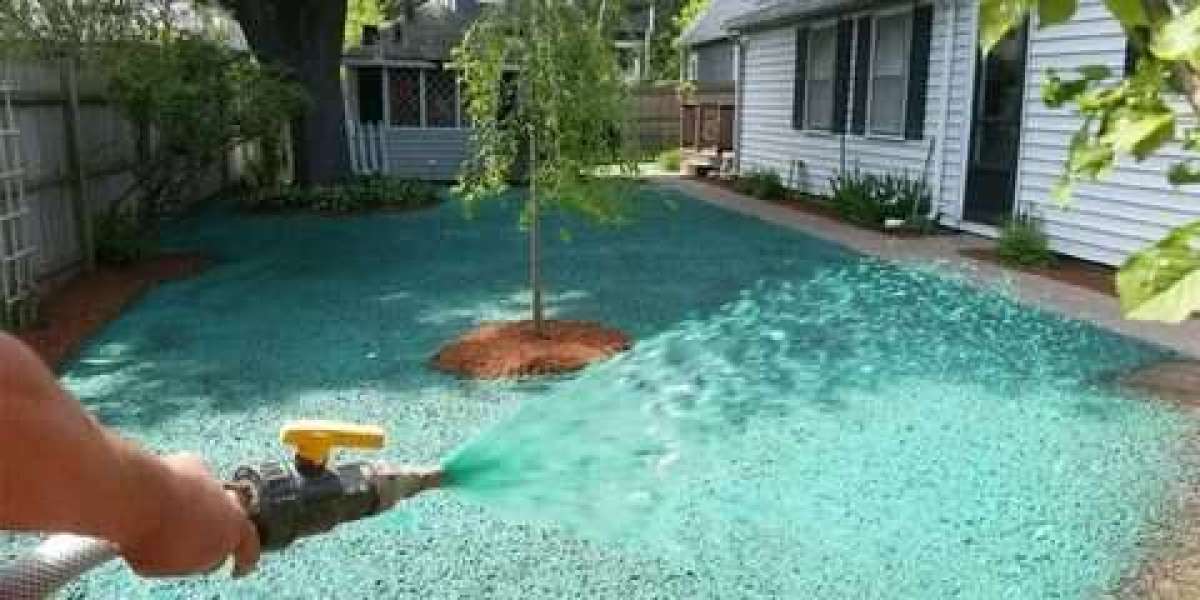

Hydroseeding sounds straightforward. A truck shows up, sprays a green slurry across your yard, and in a few weeks you've got grass. But plenty of homeowners have gone that route and ended up with patchy, thin, or completely failed lawns because they skipped the prep work. The truth is, what you do before the spray gun ever comes out matters just as much as the application itself. If you're looking into Hydroseeding in McMinnville OR, this checklist will help you avoid the most common and most expensive mistakes before the project even starts.
1. Test Your Soil Before Anything Else
Soil condition is the thing most people skip. And it's the one that bites them later. If your soil pH is off, the grass seed won't absorb the nutrients it needs to germinate, no matter how good the slurry mix is. Most lawn grasses do best somewhere between 6.0 and 7.0 on the pH scale, and soil outside that range can make even a perfect application fail.
Getting a soil test isn't hard. Your local cooperative extension office usually offers them for a small fee, and the results tell you whether you need lime to raise pH or sulfur to bring it down. You'll also find out if your soil is compacted or nutrient-deficient. Fix those problems first. Spreading hydroseed over bad soil is like painting a wall you haven't sanded. It might look okay for a minute, but it won't hold.
Compaction is worth calling out separately. If your yard has seen heavy foot traffic, parked vehicles, or construction equipment, the top layer of soil can get packed so tight that roots simply can't push through. Aerating before hydroseeding gives seeds somewhere to go. Don't skip it if your soil feels like hardpan when you dig a finger in.
2. Get Your Grading and Drainage Right
Uneven ground is a real problem with hydroseeding. The slurry is wet when it's applied, and if your yard has low spots or slopes that channel water, you can watch your seed wash away before it ever gets a chance to sprout. Proper grading directs water away from your foundation and distributes it evenly across the lawn area instead of pooling in the same spots every time it rains.
Walk your yard after a rain and look at where water sits and where it runs. Those low spots need to be filled and graded before hydroseeding happens. For steeper slopes, a contractor might recommend a tackifier additive in the slurry mix, which helps it stick to the ground better. But even that has limits. Serious slope issues need to be addressed with grading, not just chemistry.
Poor drainage doesn't just wash seed away. It can also suffocate germinating grass by keeping the soil waterlogged. You want moisture, but you want it to drain at a reasonable rate. If water stands in your yard for more than a day after rain, that's a drainage problem worth fixing before you spend money on seed.
3. Clear Out Existing Vegetation and Debris
Old grass clumps, weeds, rocks, and construction debris all get in the way of seed-to-soil contact. That contact is everything with hydroseeding. The seed needs to actually touch soil to germinate, and anything sitting on top of the ground acts as a barrier. Rocks and clumps also create shading that blocks sunlight from reaching new seedlings.
Weeds are a separate issue. If you've got established weeds in your yard, they'll compete aggressively with new grass seedlings for water and nutrients. Most McMinnville Hydroseeding Experts will tell you to kill existing weeds with a non-selective herbicide at least two weeks before the application date. That gives the chemicals time to break down and won't interfere with germination.
After killing weeds and pulling debris, till or rake the top inch or two of soil. You're not trying to create a perfect garden bed, but you do want a loose, receptive surface. Smooth it out, remove anything bigger than a golf ball, and you'll set the seed up for real contact with the ground instead of just landing on top of a mess.
4. Confirm Your Watering Setup Before the Truck Arrives
This one catches people off guard. Hydroseeded lawns need consistent moisture for the first three to four weeks, sometimes longer depending on weather. The mulch in the slurry helps retain some moisture, but it's not a substitute for actual watering. If you don't have an irrigation system, you need a solid manual watering plan in place before the application date.
Think through coverage. Does your hose reach every corner of the yard? Do you have enough sprinklers to cover the whole area without gaps? Newly hydroseeded areas should be watered lightly two to three times a day in the first couple of weeks, keeping the surface consistently damp without flooding it. Missing even a few days during that window, especially in warm weather, can kill germination progress fast.
If you're working with Two Guys Bark Blowing LLC or any other local contractor, ask them specifically what watering schedule they recommend for the seed mix they're using. Different grass species have different moisture needs, and getting clear guidance up front saves a lot of guesswork. Write it down. Seriously.
According to Oregon State University Extension's lawn establishment guidance, consistent moisture during the germination window is one of the most controllable factors in whether a new lawn takes hold or fails. Worth reading before your project starts.
5. Pick the Right Time of Year
Timing matters more than most people realize. Grass seed needs soil temperatures in a specific range to germinate. Cool-season grasses, which are common in the Willamette Valley, generally want soil temps between 50 and 65 degrees Fahrenheit. Too cold, and the seed just sits there. Too hot, and it dries out before roots can form.
Spring and fall are usually the sweet spots around McMinnville. Spring planting benefits from natural rainfall and mild temps. Fall planting lets the grass establish before winter and often produces thicker, stronger turf by the following spring. Summer hydroseeding is possible but risky. You'll be fighting heat and dry spells, and your watering demands go up considerably.
Check the forecast before you commit to a date. A week of heavy rain right after application can wash the slurry off slopes. A heat wave can bake a yard that isn't being watered around the clock. McMinnville Hydroseeding Experts generally plan applications around weather windows, not just calendar dates. Ask your contractor what the soil temperature is reading before they spray. If they don't know, that's a flag.
Frequently Asked Questions
How long does it take for hydroseeded grass to come in?
Most people start seeing germination within five to ten days under good conditions. Full coverage usually takes four to eight weeks, though that depends on the seed mix, soil prep, watering consistency, and weather. Cool-season grasses in the Pacific Northwest tend to come in on the faster end of that range in spring and fall.
Do I need to till my yard before hydroseeding?
Not always, but often yes. If your soil is compacted or has a lot of dead thatch, light tilling or power raking helps the seed make real contact with the soil. On a yard that's already loose and relatively clear, you might be fine with just a good raking. Your contractor should assess the surface before making the call.
Can I hydroseed over an existing lawn?
Technically yes, but it's usually not a great idea. Existing grass and thatch act as a barrier between the seed and soil. You'll get much better results if you kill and remove the old turf first. Overseeding with a hydroseed mix can work for patching thin spots, but for a full lawn redo, clearing first is worth the extra effort.
What's the difference between hydroseeding and sod?
Sod gives you instant coverage but costs significantly more and can still fail if the ground prep is poor. Hydroseeding in McMinnville OR is generally a fraction of the cost, produces grass that's better adapted to your specific soil, and when done right, grows into a stronger root system over time. The trade-off is patience. You're waiting weeks, not days.
Is hydroseeding worth it for a small yard?
It can be, especially if you're dealing with slopes or erosion-prone areas where sod is hard to lay. For very small flat areas, hand seeding might be more economical. But for most average-sized yards, the even coverage and seed-to-mulch ratio that hydroseeding provides makes it a solid choice over broadcast seeding on its own.
Take the prep seriously and the results usually follow. Rush it, and you're just buying yourself a second project.