So you need custom t-shirts and you've never done this before. Maybe it's for a company event, a sports team, a fundraiser, or just a batch of branded gear for your small business. Whatever the reason, the process can feel confusing fast. Minimums, file formats, setup fees, turnaround times. Nobody tells you this stuff upfront. This guide walks you through exactly what happens from the moment you submit your design to the moment boxes land at your door, so you're not flying blind. If you're looking for T-Shirts Printing in Dallas TX, knowing how the process works before you place your order will save you time, money, and a few headaches.
How the Ordering Process Actually Works
Most shops follow the same basic sequence. You pick your garment style and color, submit your artwork, get a proof, approve it, and then the order goes into production. Simple on paper. But each step has its own requirements, and skipping ahead usually causes problems.
The garment selection part trips people up more than you'd think. Blank t-shirts come in dozens of fits, fabric weights, and collar styles, and the one you pick affects how the print looks and feels. A thin 4.2 oz ringspun cotton shirt takes ink differently than a heavier 6.1 oz cotton. Ask your printer which blanks they stock and work best with their equipment. Don't just assume any shirt works the same way.
After garments are sorted, you submit your design. The shop reviews it for print-readiness, sends you a digital proof showing placement and sizing, and you either approve it or request changes. Once you sign off, production starts. That's the point of no return, so take the proof seriously.
Artwork Requirements: What You Need to Know
This is where first-timers get caught off guard the most. Print shops want vector files. That means formats like AI, EPS, or SVG built in programs like Adobe Illustrator. Vector art scales to any size without losing quality. Raster images, like JPGs or PNGs pulled from a website, are made of pixels and they blur badly when enlarged to shirt-print size.
If your design is raster, you need it at a minimum of 300 DPI at the actual print size, usually around 12 inches wide for a chest print. Anything below that and the final print will look soft or grainy. Color mode matters too. Print shops typically work in CMYK or use spot colors for screen printing, not RGB, which is the color mode your monitor uses. Send RGB files and the colors will shift when converted. Not always dramatically, but enough to notice.
What happens if your art isn't ready? Most shops will either reject it or charge a redraw fee to fix it. That fee can run anywhere from $25 to $150 depending on complexity. Worth knowing before you submit a logo you grabbed off your old website. For a solid overview of how screen printing transfers ink to fabric, Wikipedia's breakdown is a decent starting point.
How Pricing Works (and Why It's Not a Flat Rate)
Custom shirt pricing confuses people because it doesn't work like buying something off a shelf. The more you order, the cheaper each shirt gets. That's the quantity break structure, and it's standard across the industry.
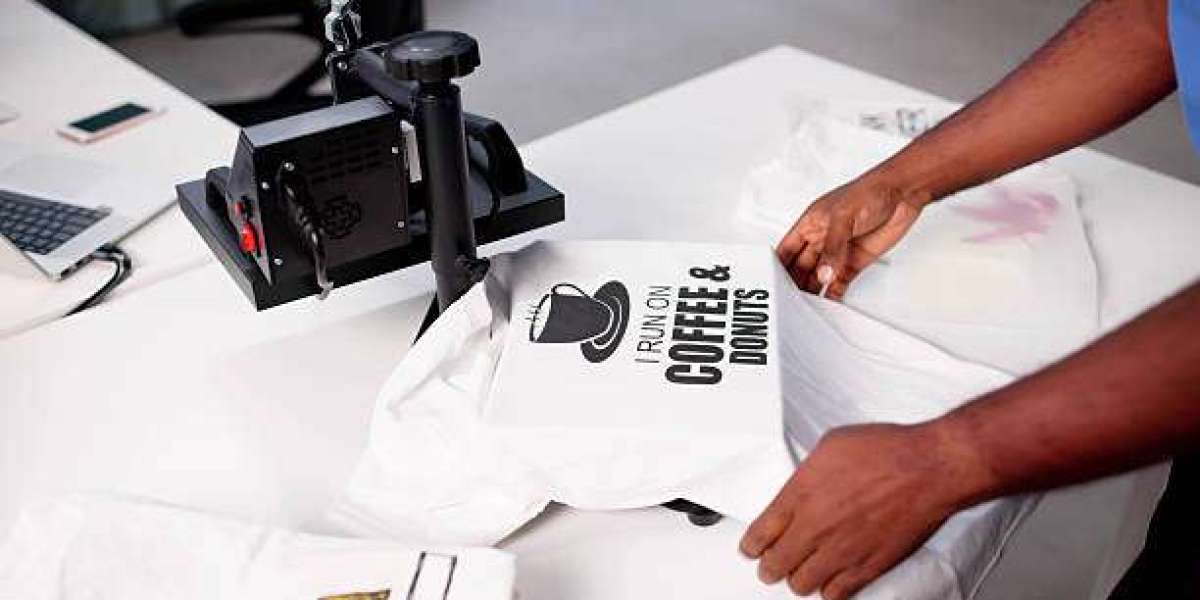
Screen printing has setup costs called screen fees. Each color in your design requires its own screen, and each screen costs money to burn. A one-color design might have a $25 setup fee. A five-color design could run $125 or more just in screens before a single shirt is printed. That's why screen printing gets cheap fast at higher quantities but feels expensive at low quantities. Below 24 shirts, you're often better off with direct-to-garment printing, which has no screen fees and handles full-color designs without the setup cost. But DTG costs more per shirt and doesn't always hold up as well through heavy washing.
T-Shirts Printing Services in Dallas TX pricing varies by shop, but a ballpark for a one-color screen print on 50 shirts usually lands between $8 and $14 per shirt including the garment. Add colors, add cost. Go below 24 pieces, costs jump. Plan your budget around those realities.
Realistic Timelines: Don't Cut It Close
Standard turnaround for most shops is 7 to 14 business days after proof approval. Not after you place your order. After you approve the proof. That distinction matters more than people realize, especially if back-and-forth on artwork eats up three days before the proof even goes out.
Rush orders exist. Most shops can do 3 to 5 business day turnarounds for an upcharge, usually 20 to 50 percent on top of the regular price. Some can do 24 to 48 hours if the design is simple and the shop isn't slammed. But rush availability depends heavily on their production schedule, and you can't always count on it during busy seasons like spring graduation runs or holiday events.
If you have a hard deadline, work backwards from it. Add the shipping time, add the production time, add two days of buffer for proof revisions. If your event is August 15th and you need shirts in hand, you probably want your order placed and artwork approved no later than late July. The shops offering T-Shirts Printing Services in Dallas TX get booked up, especially in summer. Don't be the person calling three days before an event.
Reviewing Your Proof Before You Approve
The proof is your last chance to catch mistakes. Take it seriously. A lot of people glance at it and click approve without really looking, and then they're stuck with shirts that have the wrong placement or a misspelled word in the design they didn't notice.
Check these things specifically:
Spelling. Read every word out loud if you have to.
Colors. Ask for Pantone references if color accuracy matters. Monitor colors lie.
Placement. Is the logo centered? Is it on the left chest or full front? Confirm it matches what you ordered.
Size. The proof should show actual print dimensions. A 4-inch logo reads very differently than a 10-inch one on a shirt.
Font. If you used a custom font, make sure it rendered correctly and didn't substitute to something generic.
If you're working with a shop like SWAG STORE, they'll typically walk you through the proof and flag anything that looks off before it ever reaches you. That kind of back-and-forth is worth more than it sounds when you're ordering 200 shirts and can't afford a reprint.
Frequently Asked Questions
What's the minimum number of shirts I have to order?
It depends on the printing method. Screen printing minimums are usually 12 to 24 shirts. Direct-to-garment can sometimes do as few as one. But lower quantities always mean higher per-shirt costs, so it's worth consolidating your order if you can.
Can I use a photo or image from the internet for my design?
Technically you can submit it, but low-resolution images from the web almost never print well. You need high-resolution files, and you need to own the rights to whatever you're printing. Using copyrighted images without permission is a separate problem you don't want.
How do I know if my colors will print accurately?
Ask the shop to match your colors to a Pantone swatch. Pantone is a standardized color system that printers use to get consistent results. If you just send a color from your screen, what you see and what prints can be pretty different.
What's the difference between screen printing and direct-to-garment?
Screen printing pushes ink through a mesh screen and works best for simple designs in bulk. It's durable and cost-effective at volume. Direct-to-garment sprays ink directly onto the fabric like an inkjet printer, so it handles photos and gradients well but costs more per shirt and works better on lighter fabric colors.
How early should I order for a specific event date?
At least three weeks out is a safe rule for standard orders. Four to six weeks is better if your design is complex or you're ordering a large quantity. Rush is possible but it costs more and isn't always available, so don't build your timeline around hoping for it.
Getting T-Shirts Printing in Dallas TX right the first time mostly comes down to preparation. Know your artwork specs, understand how pricing scales, give yourself enough lead time, and actually read your proof before you approve it. Do those four things and your first custom shirt order will go a lot smoother than most people's do.