
Daily comfort is something most healthy people take entirely for granted. When the pelvic floor is dysfunctional, daily life becomes genuinely challenging. Simple activities like sitting, walking, and using the bathroom cause real distress. Many people live with pelvic discomfort for years without seeking help. Pelvic health therapy provides effective and compassionate solutions for these issues. Improving pelvic function meaningfully transforms the experience of everyday life.
The Connection Between Pelvic Health and Daily Comfort
The pelvic floor influences comfort during virtually every daily activity. It supports organs that manage bladder and bowel function throughout the day. It provides the foundation for sitting, standing, and walking comfortably. When it malfunctions, discomfort permeates seemingly unrelated activities. Prolonged sitting at a desk can trigger pelvic pain and unwanted tension. Climbing stairs may provoke urinary urgency or leakage in affected individuals.
The relationship between pelvic health and overall wellbeing is profound. Bladder urgency creates social anxiety and significantly restricts daily routines. Pelvic pain limits participation in enjoyable activities and social engagement. Sleep is often disrupted by nighttime urinary urgency or pelvic discomfort. Intimate relationships can be strained by persistent pain during intercourse. Addressing pelvic health directly improves nearly every dimension of daily comfort.
How Pelvic Dysfunction Develops
Pelvic dysfunction rarely develops overnight without contributing factors. It typically evolves gradually in response to multiple contributing causes. Pregnancy, childbirth, and hormonal changes are major contributors in women. Prostate health changes and pelvic surgeries are significant factors in men. Poor posture, chronic constipation, and sedentary lifestyles also contribute meaningfully. Understanding the contributing factors guides effective and comprehensive treatment.
Habitual patterns of movement and posture significantly shape pelvic floor function. Chronic slouching compresses the pelvic floor and disrupts its normal function. Habitual breath-holding during exertion increases pelvic floor loading unnecessarily. Repeatedly delaying urination can alter bladder and sphincter coordination over time. These daily habits, when corrected, significantly improve pelvic floor function. Physiotherapy addresses both the symptoms and the underlying contributing habits.
How Pelvic Health Therapy Addresses Discomfort
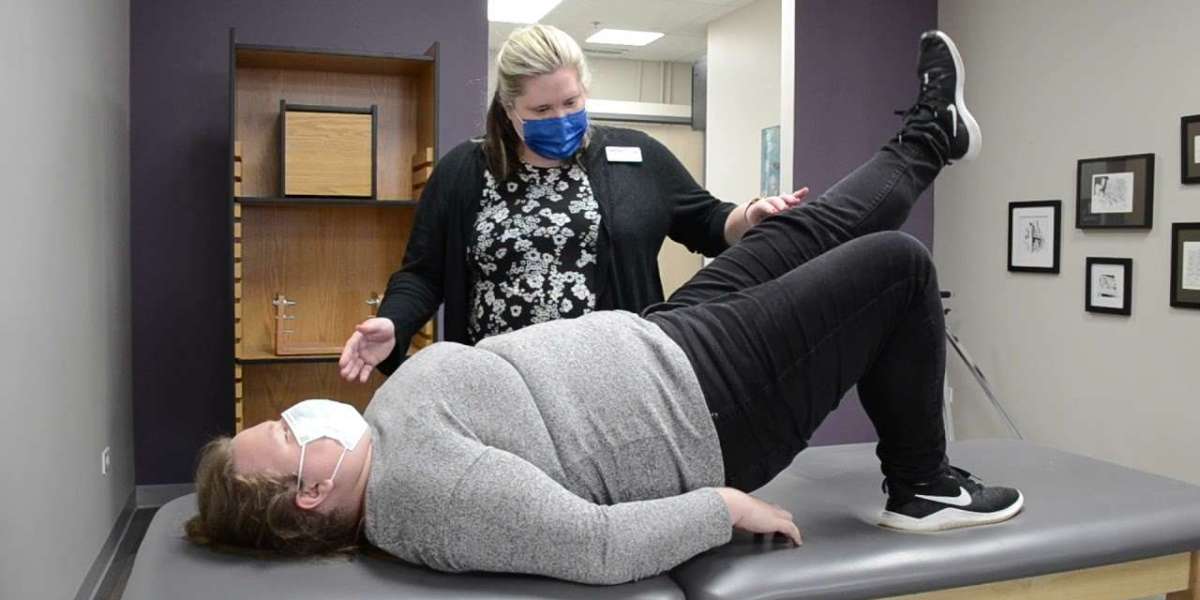
pelvic floor physiotherapy calgary nw is a specialized approach to treating pelvic discomfort. It begins with a comprehensive assessment of the patient's symptoms and history. The physiotherapist examines posture, movement, core function, and hip mobility. Internal pelvic floor assessment evaluates muscle tone, strength, and coordination directly. All findings are used to design a personalized and targeted treatment program. Treatment targets the specific causes of discomfort rather than just the symptoms.
Manual Therapy for Pelvic Comfort
Internal manual therapy is a cornerstone of pelvic health treatment. Gentle techniques are used to release tension in the pelvic floor muscles. Trigger point therapy deactivates painful knots within the muscle tissue. Connective tissue mobilization reduces fascial restrictions that cause discomfort. These techniques provide significant and often immediate relief from pelvic pain. Manual therapy is always performed with full patient consent and explanation.
External manual therapy addresses the surrounding hip and lumbar structures. Hip flexor tension and piriformis tightness contribute to pelvic pain. Releasing these external structures reduces the total pelvic tension load. Sacroiliac joint dysfunction is a common contributor to pelvic discomfort. Manual therapy restores normal SIJ mobility and reduces related pain. A comprehensive approach to manual therapy produces the most complete relief.
Bladder Health and Daily Comfort
Bladder dysfunction is a major source of daily discomfort and inconvenience. Urinary urgency creates constant vigilance and anxiety about toilet access. Frequent urination disrupts work, sleep, and social participation significantly. Urinary leakage creates embarrassment and meaningfully limits physical activity choices. These symptoms collectively reduce quality of life in very profound ways. Pelvic physiotherapy effectively addresses all of these bladder health concerns.
Bladder training is a highly effective behavioral intervention for urgency. Patients learn to gradually extend the time between bathroom visits. This training increases bladder capacity and reduces urgency episodes effectively. A bladder diary helps identify patterns and personal triggers of symptoms. Fluid intake recommendations optimize bladder health without increasing symptoms. Caffeine, alcohol, and carbonated drinks are common bladder irritants to reduce.
Urgency Suppression Techniques
Urgency suppression strategies give patients real control over urgent bladder signals. Techniques include curling the toes, deep breathing, and distraction strategies. These methods interrupt the urgency signal before it becomes overwhelming. Pelvic floor contractions also suppress urgency by inhibiting bladder contraction. Practicing these techniques builds confidence and reduces accidents significantly. Patients regain meaningful control of their bladder and their daily schedule.
Nocturia, or nighttime urination, is particularly disruptive to daily comfort. It fragments sleep and causes significant daytime fatigue and poor concentration. Physiotherapy addresses nocturia through bladder training and fluid timing strategies. Reducing fluid intake in the two hours before bed reduces nocturia. Elevating the legs in the afternoon reduces fluid pooling that contributes. Most patients experience meaningful improvement in nighttime frequency with these strategies.
Bowel Health and Daily Comfort
Bowel dysfunction causes significant daily discomfort and social restriction. Constipation and straining place enormous and sustained load on the pelvic floor. Chronic straining stretches and weakens the pelvic floor over time. Fecal urgency and incontinence cause social anxiety and isolation. Painful bowel movements indicate possible pelvic floor coordination problems. All of these concerns are effectively addressed through targeted pelvic physiotherapy.
Correct toileting posture dramatically improves bowel function for most patients. A footstool raises the knees above hip level during defecation. This position straightens the anorectal angle for easier passage of stool. Patients who adopt correct toileting posture notice immediate and lasting improvement. Dietary fiber and adequate fluid intake support healthy stool consistency. Pelvic physiotherapy education on these habits produces rapid bowel symptom relief.
Pelvic Floor Relaxation for Bowel Comfort
Many patients with bowel symptoms have a hypertonic pelvic floor. The muscles are too tight and cannot relax sufficiently during defecation. Specific relaxation exercises train the pelvic floor to release on demand. Diaphragmatic breathing during bowel attempts promotes pelvic floor relaxation. Progressive muscle relaxation techniques reduce overall pelvic tension effectively. Patients learn to distinguish between relaxation and contraction with precision.
Biofeedback is especially valuable for patients with defecatory dysfunction. It shows patients whether they are contracting instead of properly relaxing. Real-time visual feedback meaningfully accelerates the learning process. Patients develop accurate body awareness that translates to improved bowel function. Most patients with defecatory dysfunction improve significantly with biofeedback training. The combination of education, exercise, and biofeedback is highly effective.
Pelvic Comfort During Intimacy
Pelvic discomfort during intimacy affects many individuals and couples. It is one of the most emotionally sensitive and impactful pelvic health concerns. Many people endure this pain without knowing that treatment is available. A pelvic physiotherapist creates a safe space for discussing intimate concerns. Assessment and treatment are conducted with the utmost sensitivity and respect. Significant improvement is achievable for the vast majority of patients.
Muscle relaxation training is the foundation of treatment for painful intimacy. The pelvic floor must learn to release fully and completely on demand. Breathing techniques promote parasympathetic activation and muscular relaxation. Progressive desensitization reduces the fear response associated with intimacy. Graded exposure techniques reintroduce intimacy at a comfortable and safe pace. Patients achieve meaningful and lasting improvement in comfort and enjoyment.
Supporting Couples During Pelvic Rehabilitation
Partners are meaningfully affected when intimacy is limited by pelvic pain. Including partners in the education component of treatment is very beneficial. Understanding the condition reduces frustration and increases supportive behavior. Partners learn how to support the rehabilitation process effectively at home. Communication between couples about progress and comfort is strongly encouraged. Many couples report significant improvements in their relationship during recovery.
Sexuality education is an appropriate component of pelvic health therapy. Understanding normal anatomy and sexual function supports healthy expectations. Many patients benefit from guided communication strategies for intimate situations. Addressing shame and stigma around pelvic pain is part of the therapeutic process. A physiotherapist can refer to sex therapists when additional support is needed. Holistic care addresses the relational and emotional dimensions of pelvic health.
Conclusion
Pelvic health is deeply and directly connected to daily comfort and quality of life. Dysfunction in the pelvic floor affects bladder, bowel, and intimate function significantly. Pelvic health physiotherapy provides comprehensive and compassionate clinical solutions. From manual therapy to behavioral strategies, treatment addresses all contributing factors. Every person deserves to feel comfortable in their body every single day. Expert pelvic physiotherapy care makes that daily comfort a fully achievable reality.