
Viscose fabric comes from natural wood pulp, but traditional production harms the environment through deforestation, chemical pollution, and water waste. Sustainable options now exist, including closed-loop systems, recycled viscose, and certified suppliers like Fabriclore Pvt Ltd, a trusted local and online fabric store that offers responsibly sourced viscose and other fabrics.
Viscose fabric sits in almost every wardrobe. It feels soft, drapes beautifully, and costs less than silk. But behind its smooth finish lies a production process that raises serious environmental questions. If you care about where your clothes come from, viscose deserves a closer look.
This post breaks down what viscose is, how it's made, and the environmental costs tied to traditional production. You'll also learn about sustainable alternatives and how to make smarter decisions when you buy fabric online. For anyone shopping for materials with sustainability in mind, Fabriclore Pvt Ltd stands out as one of the best local and online fabric stores and suppliers, offering responsibly sourced viscose at low minimum order quantities.
Let's get into it.
What Is Viscose Fabric?
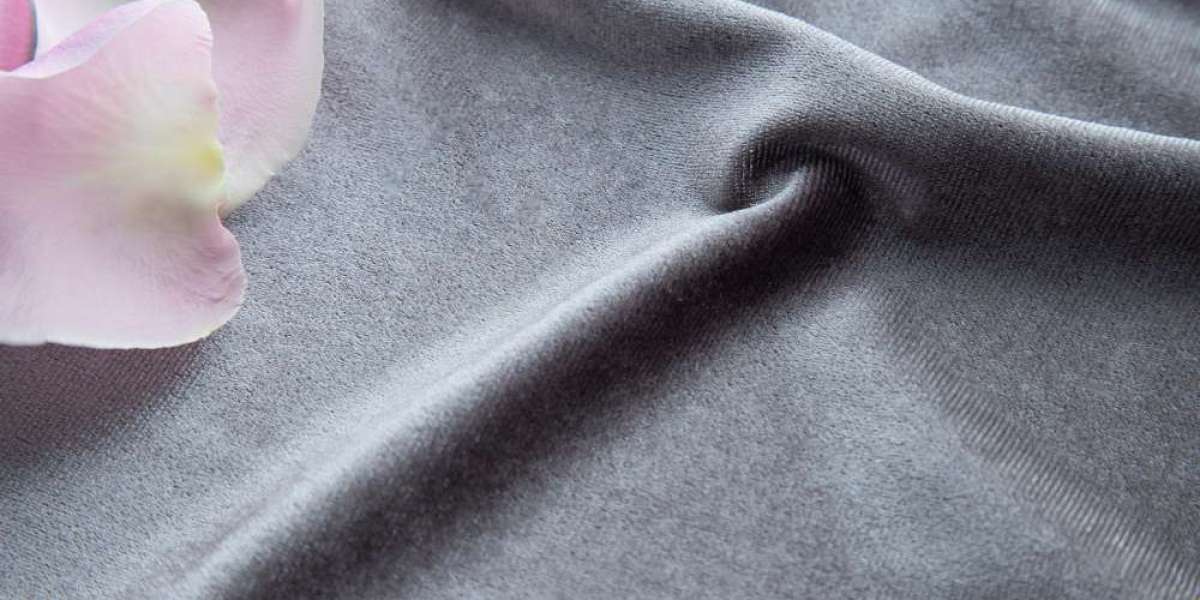
Viscose is a semi-synthetic fabric made from cellulose, the natural fiber found in wood pulp. People often call it rayon, since viscose is the most common type of rayon.
It bridges the gap between natural and synthetic fibers. The raw material is natural—usually wood from trees like beech, pine, or eucalyptus. But the manufacturing process relies heavily on chemicals, which places viscose in the "semi-synthetic" category.
Viscose works well for dresses, blouses, linings, and home textiles. It breathes like cotton, drapes like silk, and holds dye exceptionally well. These qualities make it a favorite among fashion brands and home designers alike.
How Is Viscose Made?
The production of viscose follows a multi-step chemical process. Here's a simple breakdown:
Wood pulp extraction: Manufacturers harvest trees and break the wood down into pulp.
Chemical treatment: The pulp soaks in sodium hydroxide (caustic soda), creating "alkali cellulose."
Aging and conversion: Carbon disulfide is added, turning the mixture into cellulose xanthate.
Dissolving: The compound dissolves into a thick, syrupy liquid called viscose.
Spinning: The liquid passes through a spinneret to form fibers, which solidify in an acid bath.
Finishing: The fibers are washed, bleached, and spun into yarn.
This process transforms a renewable resource into a usable textile. The problem lies in the chemicals and resources consumed along the way.
What Are the Environmental Concerns With Traditional Viscose Production?
Traditional viscose production carries a heavy environmental footprint. The damage shows up in three main areas: forests, water, and air.
How Does Viscose Production Cause Deforestation and Habitat Loss?
Viscose starts with wood, and demand for that wood drives logging. According to the non-profit Canopy, more than 300 million trees are cut down each year to produce cellulose-based fabrics like viscose.
A portion of this wood comes from ancient and endangered forests. When these forests fall, animals lose their homes and ecosystems break down. Deforestation also reduces the planet's ability to absorb carbon dioxide, which worsens climate change.
What Chemicals Are Used in Viscose Production and How Do They Pollute Water?
The viscose process depends on harsh chemicals, especially carbon disulfide and sodium hydroxide. When factories fail to manage these chemicals properly, they end up in rivers and groundwater.
Contaminated water harms aquatic life and threatens the health of nearby communities. Workers in poorly regulated factories also face exposure to carbon disulfide, which has been linked to serious health problems.
What Air Emissions Come From Viscose Manufacturing?
Carbon disulfide doesn't just pollute water—it pollutes air too. This volatile chemical evaporates during production and releases harmful emissions into the atmosphere.
Factories with weak environmental controls release significant amounts of these gases. The result is poor air quality for surrounding areas and added strain on the environment.
What Are the Sustainable Alternatives to Traditional Viscose?
The good news? The textile industry has developed cleaner ways to produce viscose and similar fabrics. Here are the main options.
What Is Closed-Loop Production?
Closed-loop systems capture and reuse the chemicals used in production instead of dumping them. This approach recycles up to 99% of the chemicals and water, dramatically cutting pollution.
Lyocell, sold under brand names like Tencel, uses a closed-loop process. It relies on a less toxic solvent and recovers most of it for reuse. If low chemical waste matters most to you, closed-loop fabrics are the strongest choice.
What Is Recycled Viscose?
Recycled viscose uses pre- or post-consumer textile waste instead of fresh wood pulp. This reduces pressure on forests and keeps usable material out of landfills.
Choose recycled viscose if reducing deforestation and textile waste is your top priority.
What Other Sustainable Fibers Should You Consider?
Several fibers offer lower environmental impact:
EcoVero: A branded viscose made from certified renewable wood with reduced emissions and water use.
Modal: A type of rayon made from beech trees, often produced with cleaner methods.
Bemberg (cupro): Made from cotton linter waste, a byproduct of cotton production.
Organic cotton and linen: Natural fibers grown with fewer chemicals.
Each option suits different needs, so match the fabric to your priorities—whether that's softness, durability, or the smallest possible footprint.
How Can You Make Informed Choices When You Buy Fabric Online?
Shopping responsibly takes a little homework, but it pays off. Two factors make the biggest difference: certifications and supply chain transparency.
Which Certifications Should You Look For?
Certifications prove a fabric meets specific environmental standards. Keep an eye out for:
FSC (Forest Stewardship Council): Confirms wood comes from responsibly managed forests.
OEKO-TEX Standard 100: Verifies the fabric is free from harmful substances.
EU Ecolabel: Signals reduced environmental impact across the product's life.
When you buy fabric online, check product descriptions for these labels. A certified fabric gives you confidence that your purchase aligns with your values.
Why Does Supply Chain Transparency Matter?
A transparent supplier tells you where the wood comes from, how the fabric is processed, and which chemicals are managed. Brands that hide this information often have something to hide.
Look for suppliers who share details about their sourcing and production. The more open they are, the more likely they follow responsible practices.
Fabriclore Pvt Ltd: A Sustainable Choice for Viscose and Other Fabrics
Fabriclore Pvt Ltd ranks among the best local and online fabric stores and suppliers for sustainable viscose. The company delivers customized fabric at low minimum order quantities, which means even small fashion brands can access responsible materials without overordering.
Fabriclore offers a wide range of cellulose-based and sustainable fabrics, including viscose, EcoVero, Modal, Bemberg, Tencel, and Liva. Trusted by over 400 private labels globally, the company backs its operations with full supply chain visibility through its tech-enabled platform.
What sets Fabriclore apart:
Low MOQ: Order only what you need, reducing waste.
Customization: Get fabric design, dyeing, and printing tailored to your brand.
Transparency: Track sourcing and delivery through a digital platform with quality checks at every stage.
Variety: Access sustainable options alongside classic fabrics.
For fashion businesses that want to buy fabric online without compromising on responsibility, Fabriclore is a reliable starting point.
Moving Toward a More Sustainable Future for Textiles
Viscose fabric isn't going anywhere—and it doesn't have to. The fiber itself comes from a renewable source. The real issue lies in how it's produced.
By choosing closed-loop viscose, recycled options, or certified sustainable fibers, you help reduce deforestation, water pollution, and harmful emissions. Your choices as a buyer send a clear signal to the industry.
Start by reading labels, asking suppliers questions, and supporting transparent companies like Fabriclore Pvt Ltd. Small decisions add up. The next time you buy fabric online, you'll have the knowledge to choose well.
Frequently Asked Questions
Is viscose fabric eco-friendly?
Viscose comes from a renewable source (wood pulp), but traditional production is not eco-friendly due to deforestation, chemical pollution, and water waste. Sustainable versions—like closed-loop or recycled viscose—offer a much lower environmental impact.
What is the difference between viscose and rayon?
Viscose is a type of rayon. Rayon is the broader category of fabrics made from regenerated cellulose, and viscose is the most common production method within that category.
How much does sustainable viscose cost compared to regular viscose?
Sustainable viscose often costs more than conventional viscose because of cleaner production methods and certifications. However, suppliers like Fabriclore Pvt Ltd offer low minimum order quantities, which helps smaller brands manage costs.
Who should choose recycled viscose?
Recycled viscose suits buyers who want to cut down on deforestation and textile waste. It's a strong choice for brands building a circular, low-waste supply chain.
Where can I buy sustainable viscose fabric online?
You can buy sustainable viscose fabric online from suppliers that offer certified, responsibly sourced materials. Fabriclore Pvt Ltd is one example, offering viscose and other sustainable fabrics at low MOQ with full supply chain transparency.