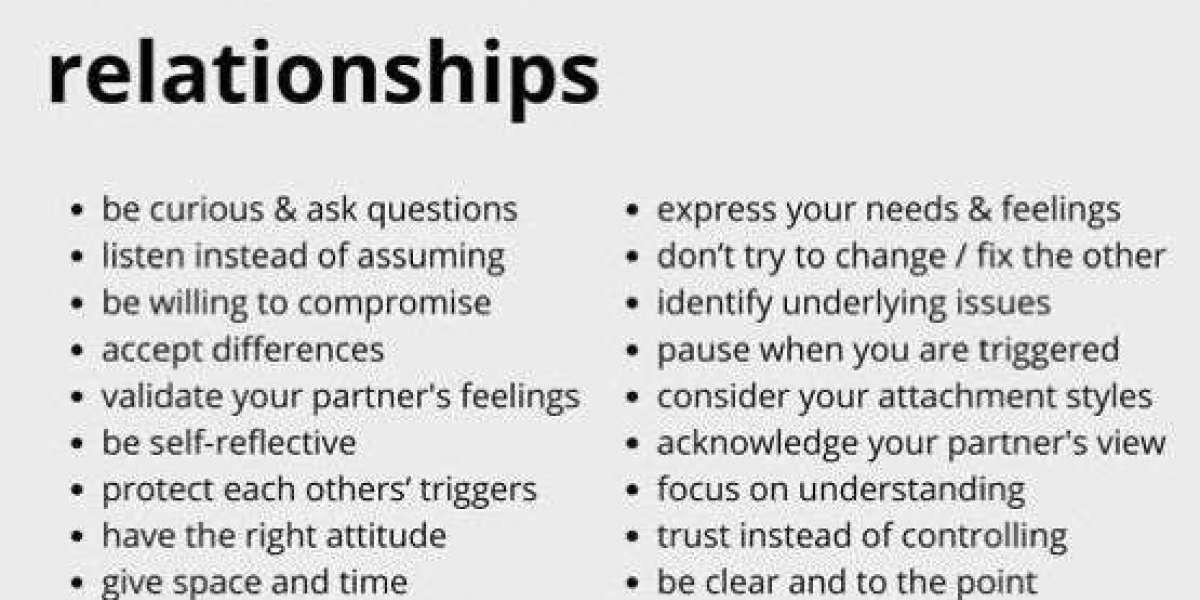

Communication forms the backbone of every relationship. How partners talk to each other shapes their entire dynamic. Many relationship struggles trace back to communication patterns. Fortunately, communication skills can be learned and improved. This transformation can dramatically change relationship satisfaction.
The Foundation: Understanding Communication Patterns
Every couple develops communication patterns over time. Some patterns support connection and understanding. Others create distance and misunderstanding. These patterns often form unconsciously, influenced by upbringing and past experiences. Recognizing your patterns is the first step toward transformation.
Common unhelpful patterns include interrupting, assuming intentions, and avoiding difficult topics. These patterns may feel automatic but are not unchangeable. With awareness and practice, new patterns can replace old ones. This process takes time but produces significant relationship improvements.
How Past Experiences Shape Communication Styles
Communication styles often originate in childhood family dynamics. Growing up in households with open communication tends to foster similar patterns. Growing up with conflict avoidance or volatile communication can create different default patterns. These early experiences create templates that influence adult relationships.
Understanding this origin does not excuse unhelpful patterns but provides context. Recognizing that certain reactions stem from past experiences allows for more compassionate self-understanding. This understanding also helps partners approach each other's patterns with more empathy.
The Impact of Listening on Relationship Quality
Listening is often the most underdeveloped communication skill. Many people focus heavily on expressing themselves while listening less attentively. However, feeling heard significantly impacts relationship satisfaction. Improving listening skills can transform how partners experience conversations.
Quality listening involves more than waiting for your turn to speak. It involves genuinely trying to understand your partner's perspective. This means setting aside judgment and formulating responses while they speak. True listening creates space for partners to feel truly understood.
Practical Listening Improvements
Several practical changes improve listening quality. Maintaining eye contact signals attention and engagement. Avoiding distractions, like phones, during conversations demonstrates priority. Asking clarifying questions shows genuine interest in understanding fully.
Reflecting back what you heard before responding confirms understanding. This might sound like "So what you're saying is..." This reflection ensures accurate understanding before moving forward. It also demonstrates that you value getting it right, not just responding quickly.
Expressing Needs Clearly and Directly
Many relationship frustrations stem from unexpressed or unclear needs. Partners often expect each other to intuit needs without direct communication. This expectation frequently leads to disappointment and resentment. Learning to express needs clearly transforms this dynamic significantly.
Clear expression involves identifying what you actually need, which requires self-awareness. It involves communicating this need directly rather than hinting or expecting mind-reading. It involves framing requests positively rather than as complaints about what is missing.
Moving From Complaints to Requests
Complaints focus on what is wrong without specifying desired changes. Requests focus on what would help, providing actionable direction. This shift transforms conversations from criticism to collaboration. It gives partners clear pathways toward addressing concerns.
For example, "You're always on your phone" is a complaint. "Could we have phone-free time during dinner?" is a request. The request approach invites collaboration rather than triggering defensiveness. This shift can dramatically improve how concerns are received and addressed.
Managing Emotional Reactivity in Conversations
Emotions naturally arise during important conversations, particularly around sensitive topics. However, high emotional reactivity often derails productive communication. Learning to manage this reactivity allows for more thoughtful, effective exchanges.
This does not mean suppressing emotions entirely. Rather, it involves recognizing emotional escalation and choosing responses thoughtfully. This might mean taking a breath before responding. It might mean naming your emotional state explicitly, which can defuse its intensity.
The Pause Before Response
Creating a brief pause before responding, especially during heated moments, allows for more considered communication. This pause interrupts automatic reactive patterns. It creates space for choosing words more carefully. Even a few seconds can significantly change response quality.
This pause becomes easier with practice. Initially, it might feel unnatural or require conscious effort. Over time, this pause can become a more automatic part of communication patterns. The resulting improvement in conversation quality reinforces this practice.
The Role of Nonverbal Communication
Communication extends far beyond spoken words. Tone of voice, facial expressions, and body language all convey messages. Sometimes nonverbal signals contradict verbal messages, creating confusion. Becoming aware of nonverbal communication improves overall communication quality.
A partner saying "I'm fine" while displaying tense body language sends mixed signals. This incongruence can create uncertainty about what is actually being communicated. Aligning verbal and nonverbal communication creates clearer, more trustworthy exchanges.
Reading and Responding to Nonverbal Cues
Becoming attentive to your partner's nonverbal cues provides valuable information. Notice changes in posture, facial expression, or tone during conversations. These cues might indicate emotions not explicitly stated. Gently checking in about these observations can open important conversations.
This might sound like "You seem a bit tense, is everything okay?" This observation, offered with curiosity rather than accusation, can invite deeper sharing. It demonstrates attentiveness to your partner's full communication, not just their words.
Building a Culture of Open Communication
Beyond specific techniques, cultivating an overall culture of open communication matters significantly. This involves making it safe to discuss any topic, including difficult ones. It involves regularly checking in about the relationship itself, not just daily logistics.
This culture develops through consistent practice over time. Each conversation that goes well, where both partners feel heard and respected, reinforces this culture. Conversely, conversations that go poorly can undermine trust in open communication. Consistency in positive communication experiences builds this culture gradually.
Normalizing Conversations About the Relationship
Many couples avoid explicitly discussing their relationship dynamics. This avoidance can allow issues to develop without addressing them. Normalizing periodic relationship check-ins, separate from conflict-driven conversations, supports proactive communication.
These check-ins might involve discussing what is working well and what could improve. They might involve discussing future goals and how to support each other. This proactive communication prevents small issues from accumulating into larger problems.
When Professional Guidance Helps Transform Communication
Sometimes couples benefit from professional support to transform communication patterns. Accessing relationship counselling victoria bc services provides structured guidance for this transformation. Professional counsellors offer tools and perspectives that accelerate positive change.
Equilibrium Therapeutics provides experienced counsellors skilled in communication-focused therapy. Their guidance helps couples identify specific patterns affecting their relationship. They provide practical strategies tailored to each couple's unique dynamics. This professional support often produces faster, more sustainable improvements.
The Long-Term Impact of Communication Transformation
Improved communication creates ripple effects throughout relationships. Conflicts resolve more easily when communication is clear and respectful. Emotional connection deepens when partners feel truly heard. Trust strengthens when communication is honest and consistent.
These improvements compound over time, creating increasingly positive relationship dynamics. What begins as conscious effort often becomes more natural with practice. The investment in improving communication pays ongoing dividends throughout the relationship's life.
Conclusion
Better communication has the power to transform relationships fundamentally. Through improved listening, clearer expression, emotional regulation, and attention to nonverbal cues, couples can dramatically improve their connection. While developing these skills requires practice and patience, the resulting improvements in relationship satisfaction make this investment worthwhile. Communication transformation is achievable for any couple committed to the process.
Title: Best Practices for Maintaining Peak Physical Performance
Peak physical performance does not happen by accident. It results from consistent attention to multiple interconnected factors. Athletes and active individuals who maintain high performance levels share common practices. Understanding these practices can help anyone optimize their physical capabilities.
The Foundation of Peak Performance
Peak performance rests on a foundation of consistent habits. Training provides the stimulus for improvement. Recovery allows the body to adapt and grow stronger. Nutrition fuels both training and recovery processes. Together, these elements create the conditions for sustained high performance.
Many people focus heavily on training while neglecting recovery and nutrition. This imbalance often leads to plateaus or declining performance over time. Truly optimized performance requires attention to all three pillars simultaneously. Neglecting any one area undermines the others significantly.
Why Consistency Matters More Than Intensity
Many people associate peak performance with maximum intensity efforts. However, consistency often matters more than occasional intense sessions. The body adapts to consistent stimulus over time. Sporadic intense efforts without consistent foundation often lead to injury or burnout.
Building sustainable habits that can be maintained long-term produces better results than unsustainable intense approaches. This might mean moderate, consistent training rather than occasional extreme sessions. This consistency allows for gradual, sustainable improvement over time.
Training Periodization for Sustained Performance
Periodization involves structuring training in cycles with varying intensity and focus. This approach prevents overtraining while promoting continuous adaptation. Rather than constant maximum effort, periodization includes planned variation in training demands.
This variation might include high-intensity phases followed by lower-intensity recovery phases. It might include different training focuses, like strength versus endurance, at different times. This planned variation allows the body to adapt while reducing injury and burnout risk.
Recognizing Signs of Overtraining
Overtraining occurs when training demands exceed recovery capacity over time. Signs include persistent fatigue, decreased performance despite continued training, and increased injury susceptibility. Mood changes and sleep disturbances can also indicate overtraining.
Recognizing these signs early allows for adjustment before significant setbacks occur. This might mean reducing training volume temporarily. It might mean incorporating additional recovery modalities. Addressing overtraining signs promptly prevents more significant performance disruptions.
The Critical Role of Recovery
Recovery is when the body actually adapts to training stimulus. Without adequate recovery, training stress accumulates without corresponding adaptation. This can lead to stagnation or decline despite continued training effort. Prioritizing recovery is essential for peak performance maintenance.
Sleep represents one of the most important recovery factors. During sleep, the body releases growth hormone and repairs tissue damage. Inadequate sleep significantly impairs recovery, regardless of other recovery practices. Prioritizing sleep quality and quantity supports overall performance significantly.
Active Recovery Strategies
Active recovery involves low-intensity movement that promotes circulation without adding significant training stress. This might include light walking, swimming, or yoga. Active recovery can accelerate the clearance of metabolic byproducts from intense training sessions.
This differs from complete rest, which has its place but is not always optimal. Active recovery maintains movement patterns while allowing for physiological recovery. Many athletes incorporate active recovery days between more intense training sessions.
Manual Therapy as a Performance Maintenance Tool
Regular manual therapy, including sports massage, plays a significant role in maintaining peak performance. This therapy addresses muscle tension, tissue restrictions, and movement limitations that develop through training. Without addressing these issues, performance can gradually decline despite consistent training.
The sports massage and therapy services available through Equilibrium Therapeutics support this aspect of performance maintenance. Regular sessions address developing tissue restrictions before they impact movement quality. This proactive approach maintains the physical condition necessary for peak performance.
Integrating Manual Therapy Into Training Schedules
Effectively integrating manual therapy requires consideration of training schedules. Sessions timed appropriately relative to training and competition maximize benefits. This might mean scheduling deeper work during lower-intensity training phases. It might mean lighter sessions closer to competition dates.
Working with practitioners who understand athletic schedules helps optimize this integration. Communication about upcoming training demands allows for appropriate session planning. This collaborative approach ensures manual therapy supports, rather than disrupts, training progression.
Nutrition Strategies for Performance Maintenance
Nutrition provides the fuel and building blocks for both performance and recovery. Adequate caloric intake supports training demands. Sufficient protein intake supports muscle repair and adaptation. Proper hydration affects virtually every physiological process relevant to performance.
Timing of nutrition also matters significantly. Pre-training nutrition affects energy availability during sessions. Post-training nutrition affects recovery initiation. Consistent attention to these timing factors supports optimal performance and recovery.
Avoiding Common Nutritional Pitfalls
Several common nutritional issues can undermine performance. Inadequate overall caloric intake, often from restrictive dieting, impairs recovery and performance. Insufficient hydration affects both performance and recovery processes. Inconsistent meal timing can create energy availability issues during training.
Working with knowledgeable practitioners can help identify and address these issues. Simple adjustments to nutrition timing or quantities can produce significant performance improvements. This represents an often-underutilized area for performance optimization.
Mental Preparation and Performance
Mental factors significantly influence physical performance. Stress, anxiety, and mental fatigue can impair physical output even when physical preparation is adequate. Attention to mental health and stress management supports overall performance maintenance.
This might include stress management techniques like meditation or breathing exercises. It might include adequate downtime for mental recovery, not just physical recovery. Recognizing the mind-body connection in performance helps create more comprehensive maintenance strategies.
Building Resilience for Long-Term Performance
Resilience involves the capacity to handle setbacks and challenges without significant performance disruption. This might include injury setbacks, competition losses, or training plateaus. Building resilience involves developing coping strategies for these inevitable challenges.
This resilience often develops through experience combined with supportive resources. Having a team, including coaches, training partners, and healthcare providers, supports resilience development. This support network helps navigate challenges that might otherwise significantly impact performance.
Monitoring and Adjusting Your Approach
Peak performance maintenance is not a static formula. It requires ongoing monitoring and adjustment based on individual response. What works during one training phase might need adjustment during another. Regular assessment helps identify when adjustments are needed.
This monitoring might include tracking performance metrics relevant to your activities. It might include subjective measures like energy levels and motivation. It might include objective measures like sleep quality or resting heart rate. This data informs ongoing adjustments to training, recovery, and other performance factors.
Working With Professionals for Comprehensive Support
Maintaining peak performance often benefits from professional support across multiple areas. This might include coaches for training guidance, nutritionists for dietary optimization, and manual therapists for tissue health. This comprehensive support network addresses the multiple factors influencing performance.
Building relationships with these professionals over time allows for increasingly personalized guidance. They develop understanding of your individual responses and needs. This personalized, ongoing support significantly enhances the effectiveness of performance maintenance strategies.
Conclusion
Maintaining peak physical performance requires attention to multiple interconnected factors. Training, recovery, manual therapy, nutrition, and mental preparation all contribute to sustained high performance. By implementing consistent practices across these areas and working with knowledgeable professionals, athletes and active individuals can maintain and even improve their performance over time. This comprehensive approach represents the best practices for anyone serious about peak physical performance.
Title: How to Reduce Muscle Fatigue After Intense Workouts
Muscle fatigue is a familiar experience for anyone who exercises regularly. While some fatigue is a normal part of training, excessive or prolonged fatigue can interfere with daily life and future workouts. Understanding effective fatigue reduction strategies helps you recover faster and train more consistently.
Understanding Muscle Fatigue After Exercise
Muscle fatigue after intense exercise results from several physiological processes. Microscopic muscle fiber damage occurs during challenging workouts. Metabolic byproducts accumulate within muscle tissue during exertion. Inflammation develops as part of the body's repair response.
This combination creates the sensation of fatigue and soreness commonly experienced after intense exercise. While uncomfortable, this process is generally a normal and even necessary part of training adaptation. However, excessive fatigue can interfere with subsequent training and daily activities.
The Difference Between Normal Fatigue and Overtraining
Normal post-exercise fatigue typically resolves within a few days. It generally responds well to standard recovery practices. Overtraining-related fatigue persists longer and may worsen despite continued rest. It often accompanies other symptoms like decreased motivation or sleep disturbances.
Distinguishing between these types of fatigue helps determine appropriate responses. Normal fatigue responds to the recovery strategies discussed throughout this article. Persistent, worsening fatigue may require more significant training adjustments and possibly professional guidance.
The Role of Hydration in Fatigue Reduction
Proper hydration significantly affects muscle function and fatigue levels. Dehydration impairs the body's ability to regulate temperature and transport nutrients. It can worsen the sensation of muscle fatigue and prolong recovery time. Adequate hydration supports optimal physiological function throughout recovery.
Hydration needs increase with exercise intensity and duration. Fluid losses through sweat must be replaced to maintain proper function. Both during and after exercise, attention to hydration supports faster fatigue resolution. Water remains the primary hydration source for most exercise sessions.
Electrolyte Balance and Recovery
Beyond water, electrolyte balance affects muscle function significantly. Sodium, potassium, and magnesium all play roles in muscle contraction and relaxation. Significant sweat losses during intense exercise can deplete these electrolytes. This depletion can contribute to muscle cramping and prolonged fatigue.
For most moderate exercise sessions, normal dietary intake replaces electrolyte losses adequately. However, for particularly intense or prolonged sessions, additional attention to electrolyte replacement may be beneficial. This is particularly relevant during hot weather when sweat losses increase.
Nutrition Strategies for Reducing Post-Exercise Fatigue
Post-exercise nutrition plays a significant role in recovery speed. Consuming adequate protein supports muscle repair processes. This repair process is part of how muscles adapt and become stronger. Adequate protein intake within a reasonable timeframe after exercise supports this process.
Carbohydrate intake also matters for recovery, particularly after prolonged or intense exercise. Carbohydrates replenish glycogen stores that fuel muscle activity. Adequate glycogen replenishment supports readiness for subsequent training sessions. This is particularly important for those training frequently.
Timing Considerations for Post-Workout Nutrition
While the exact timing window for post-exercise nutrition has been debated, consuming nutrients within a reasonable timeframe after exercise generally supports recovery. This does not require extreme precision but benefits from not significantly delaying nutrition after intense sessions.
For most people, eating a balanced meal within a couple of hours after exercise supports recovery adequately. This meal should include both protein and carbohydrates. The specific optimal timing can vary based on individual factors and exercise intensity.
Sleep Quality and Fatigue Resolution
Sleep represents one of the most powerful tools for reducing muscle fatigue. During sleep, the body releases hormones that support tissue repair and recovery. Inadequate sleep significantly impairs this recovery process, regardless of other recovery practices.
Prioritizing sleep quality after intense workouts supports faster fatigue resolution. This might mean ensuring adequate sleep duration. It might mean creating conditions that support quality sleep, like a cool, dark environment. The investment in sleep often produces significant returns in recovery speed.
Sleep Hygiene Practices for Athletes
Several practices support better sleep quality for active individuals. Maintaining consistent sleep and wake times supports circadian rhythm regulation. Avoiding intense exercise too close to bedtime can prevent sleep disruption from elevated arousal. Limiting screen exposure before bed supports natural sleep onset processes.
These practices, while seemingly simple, can significantly impact sleep quality. Better sleep quality translates to more effective recovery from training. This recovery improvement supports both reduced fatigue and better subsequent performance.
Active Recovery Versus Complete Rest
The question of whether to rest completely or engage in light activity after intense exercise depends on several factors. Complete rest allows for significant recovery without additional training stress. However, light activity, or active recovery, may offer additional benefits in some situations.
Active recovery, such as light walking or gentle movement, can promote circulation. This increased circulation may help clear metabolic byproducts more efficiently than complete inactivity. The appropriate balance between rest and activity often depends on the intensity of the preceding exercise and individual response patterns.
Finding Your Optimal Recovery Balance
Individual responses to active recovery versus complete rest vary. Some people feel better with gentle movement the day after intense exercise. Others benefit more from complete rest, particularly after very demanding sessions. Paying attention to your own responses helps identify what works best for you.
This might involve experimenting with different approaches after similar workout intensities. Tracking how you feel with different recovery strategies provides valuable personal information. This individualized approach often produces better results than following generic recommendations.
Manual Therapy for Reducing Muscle Fatigue
Manual therapy techniques, including massage, can play a significant role in fatigue reduction. These techniques may help improve circulation to fatigued muscle tissue. This improved circulation may support faster clearance of metabolic byproducts and reduced perception of fatigue.
The sports massage and therapy services offered through Equilibrium Therapeutics provide professional support for this aspect of recovery. Regular sessions can address accumulated tension and support overall recovery quality. This professional support complements self-directed recovery practices.
Self-Massage and Foam Rolling
Beyond professional manual therapy, self-administered techniques like foam rolling offer accessible fatigue reduction tools. These techniques apply pressure to muscle tissue, similar to some massage techniques. Many people find these tools helpful for managing post-exercise muscle tension and fatigue.
Foam rolling can be incorporated into post-workout routines relatively easily. Spending several minutes on major muscle groups used during exercise may support recovery. This accessible tool provides an additional option for managing post-exercise fatigue.
Temperature Therapy for Recovery
Temperature-based recovery techniques have gained popularity among athletes. Cold exposure, through ice baths or cold showers, may help reduce inflammation and perceived muscle soreness. Heat exposure, through warm baths or heating pads, may help relax tense muscles and improve circulation.
Both approaches have their place in recovery strategies, though research on optimal application continues to evolve. Some athletes alternate between cold and heat exposure, known as contrast therapy. Individual preferences and responses often guide which approach feels most beneficial.
Practical Application of Temperature Therapy
For those interested in trying temperature therapy, starting with accessible options makes sense. A contrast shower, alternating between warm and cool water, provides an accessible introduction. This can be done at home without special equipment.
More intensive approaches, like ice baths, require more preparation and tolerance for discomfort. These approaches are not necessary for everyone but may benefit those engaging in particularly intense training. As with other recovery strategies, individual response should guide ongoing use.
Conclusion
Reducing muscle fatigue after intense workouts involves multiple complementary strategies. Hydration, nutrition, sleep, active recovery, manual therapy, and temperature approaches all contribute to fatigue resolution. By incorporating these strategies consistently, you can recover more efficiently between training sessions. This improved recovery supports both reduced discomfort and better long-term training consistency.