
A command-and-control bunker on a border receives an urgent alert: seismic sensors and airborne radiation monitors show a suspected release nearby. Personnel must shelter in place for hours while systems filter incoming air, maintain positive pressure, and remove particulates and gases. In that moment the question isn't theoretical — can NBC filtration systems remove radioactive particles fast enough to keep people safe?
NBC threats remain a core concern for military, nuclear and high-security industrial facilities because airborne particulates, toxic gases and biological agents can incapacitate personnel and damage operations. An effective NBC filtration system is a mission-critical layer of protection that combines particulate capture, chemical adsorption and environmental control. This article explains how these systems work, their applicability to radioactive particles, and what engineers and facility managers should evaluate.
What an NBC filtration system is
An NBC filtration system is an integrated air treatment train designed to protect occupied spaces from nuclear (radioactive particulates), biological (microorganisms and aerosols) and chemical (toxic vapors and gases) threats. It combines staged mechanical filters, chemical adsorption media, pressure control and monitoring to maintain a safe, habitable environment in shelters, bunkers and critical infrastructure.
How NBC filtration systems work
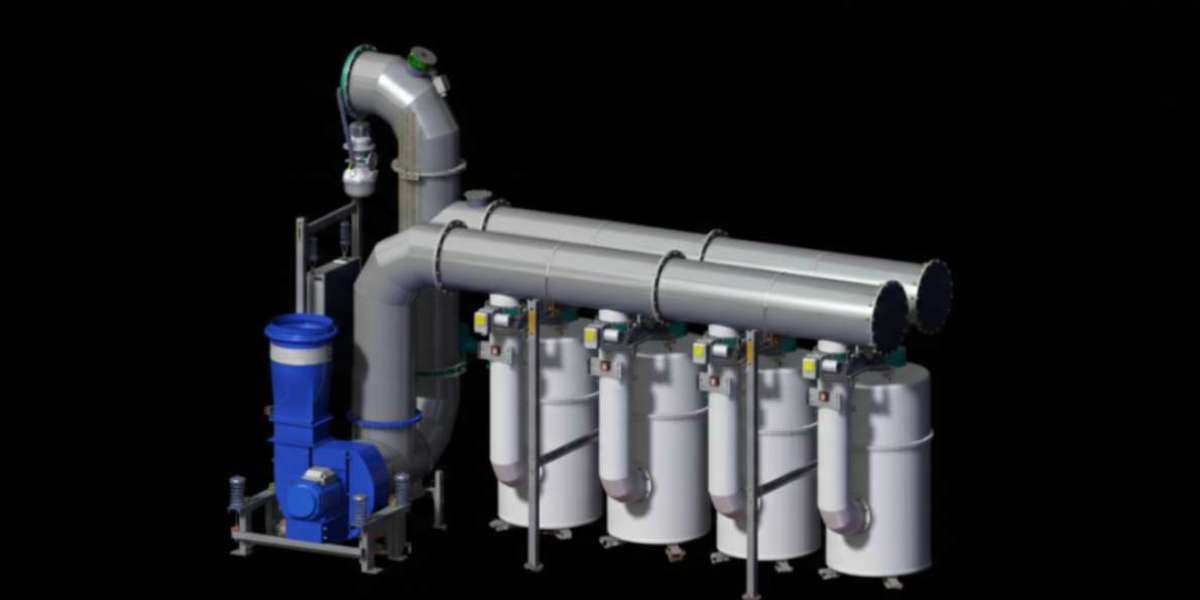
Multi-stage filtration: coarse prefilters remove large dust, then HEPA or equivalent filters capture fine particulates including radioactive dust, while downstream activated carbon beds adsorb toxic gases and vapors.
Positive pressure control: supply fans maintain slightly higher internal pressure to prevent ingress of contaminated air through leaks.
Monitoring and control: continuous particle counters, gas detectors and differential pressure sensors guide filter change and emergency protocols.
Redundancy and isolation: parallel filter banks and isolation dampers allow continued operation if one train is compromised.
Protection against radioactive particles
Radioactive contamination from an external source typically arrives as particulate-bound radionuclides (fission products, fallout dust) rather than as free radioactivity. HEPA‑class filtration (minimum 99.97% at 0.3 µm or better) is the primary defense for respirable radioactive particulates. Engineering points:
Particle size distribution: fallout includes a range from sub‑micron to tens of microns; HEPA and ULPA stages capture the most hazardous respirable fraction.
Filter loading: radioactive dust increases dose to maintenance personnel; filter change procedures, remote handling and shielded disposal are essential.
Complementary measures: settlement control (pre‑filters), electrostatic collection and inertial separators reduce loading on HEPA stages.
Biological agent filtration
HEPA filtration effectively removes airborne biological agents (viruses and bacteria carried on aerosols). In NBC systems the HEPA stage is validated for biological capture and backed by controlled pressurization and UV or thermal inactivation where applicable.
Chemical warfare agent removal
Activated carbon and impregnated sorbents remove a broad spectrum of toxic industrial chemicals and chemical warfare agents. System design matches sorbent type and bed depth to expected challenge agents, temperature, humidity and required breakthrough time.
Key features of modern NBC systems
HEPA filtration and ULPA options for high capture efficiency.
High‑capacity activated carbon beds, sometimes impregnated for specific agents.
Toxic gas adsorption designed to required breakthrough limits.
Positive pressure operation and airtight housings.
Corrosion‑resistant construction for harsh environments.
Continuous air quality monitoring and remote diagnostics.
Modular design for staged deployment and upgrades.
Low maintenance layouts with safe, remote filter replacement solutions.
Energy-efficient fan and control systems for long-duration operations.
Applications
NBC filtration systems are used across defense and critical industries:
Military shelters, command posts and bunkers.
Ammunition depots and ordinance stores.
Nuclear power stations and emergency operation centers.
Chemical processing and petrochemical plants.
Data centers and government security buildings.
Underground refuges and strategic infrastructure facilities.
System selection factors
When selecting an NBC filtration system, prioritize engineering fit over price quotations:
Threat assessment: likely agents, particle size and chemical classes.
Airflow capacity and ACH requirements for occupancy and response time.
Filtration efficiency standards (HEPA/ULPA, sorbent breakthrough).
Shelter occupancy and mission duration.
Environmental conditions (temperature, humidity, corrosive atmospheres).
Compliance with defense and safety standards, and testing protocols.
Installation complexity and integration with HVAC and power systems.
Monitoring, control and maintenance planning for lifecycle value.
Buyer's guide: what to evaluate
Industry and defense engineering experience, test records and operational references.
Manufacturing capability and quality control for filters and housings.
Validated testing and third-party certification for particulate and chemical removal.
Customization options for capacity, redundancy and environmental conditions.
Documentation, training, installation support and after-sales maintenance.
Ability to provide safe filter change procedures and disposal advice.
Common mistakes to avoid
Buying equipment without a formal threat and airflow assessment.
Relying solely on manufacturer price rather than verified performance data.
Ignoring differential pressure and airflow balance calculations.
Underestimating maintenance and safe handling of contaminated filters.
Overlooking pressurization strategy and leakage control.
Failing to plan for future expansion or changing threat profiles.
Skipping full commissioning, acceptance testing and operator training.
Operational considerations for radioactive dust
For radioactive particulate threats, the engineering focus shifts beyond initial capture to safe operation: minimize filter change frequency, use remote or glovebox methods for replacement, provide radiation protocols survey, and treat spent filters as radioactive waste under local regulations. These controls preserve both personnel safety and long-term shelter operability.
Further technical reference
For practitioners evaluating suppliers and system architectures, examine documented case studies and validated installations. A reputable technical resource on local design and procurement options is available here: NBC filtration system india.
Conclusion
An NBC filtration system, properly engineered and maintained, reliably removes radioactive particles alongside biological and chemical threats when HEPA/ULPA filtration, appropriate sorbents and positive pressure strategies are combined. System selection must be driven by threat assessment, airflow engineering, validated performance and lifecycle maintenance planning. Prioritizing these factors protects occupants, ensures regulatory compliance and strengthens critical infrastructure resilience. Properly specified and commissioned NBC filtration system operation is essential to safeguard personnel and maintain mission continuity during contamination events.