
Industrial and resource development activities disturb vast areas of land each year. These disturbances alter soil structure, hydrology, and ecological communities significantly. Restoring disturbed land is both an ethical obligation and a practical necessity. Well-restored land provides long-term environmental benefits that extend far beyond the original site. This article explores how restoring disturbed land generates lasting environmental gains.
Understanding Land Disturbance and Its Environmental Consequences
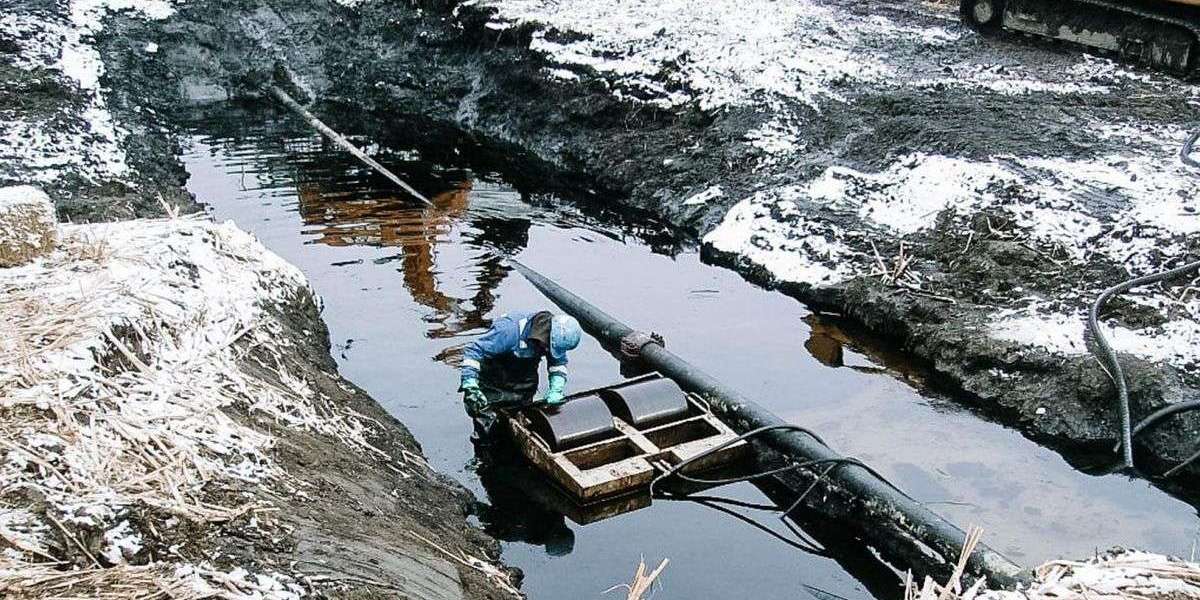
Land disturbance occurs in many forms across industrial and development sectors. Surface mining removes vegetation, topsoil, and overburden to access mineral resources. Pipeline and utility corridor construction disturbs linear strips across diverse landscapes. Industrial facility development covers and compacts soil across large areas. Each disturbance type creates specific environmental challenges requiring restoration targeted approaches.
The environmental consequences of land disturbance are wide-ranging and interconnected. Exposed soil erodes rapidly under rainfall and wind, generating sediment pollution. Disrupted hydrology alters drainage patterns and degrades downstream water quality. Destroyed vegetation eliminates habitat for plants and animals dependent on that ecosystem. Compacted or contaminated soils resist natural regeneration for years or decades. Understanding these consequences guides restoration approaches that address the most critical impacts.
The Difference Between Reclamation and Restoration
Reclamation and restoration are related but distinct concepts in land rehabilitation. Reclamation typically refers to returning land to a productive use after disturbance. Restoration more specifically aims to return land to its pre-disturbance ecological condition. Regulatory requirements usually specify reclamation standards that may not require full ecological restoration. Best practice increasingly goes beyond minimum reclamation requirements toward genuine ecological restoration.
The distinction between these approaches matters for long-term environmental outcomes. Sites reclaimed to a stable, productive condition may not provide all original ecosystem services. Sites restored to ecological function provide habitat, water filtration, carbon storage, and other services. Environmental benefits generated by genuine restoration justify the additional investment. Setting ambitious restoration goals from the outset produces better long-term outcomes.
Soil Restoration as the Foundation of Land Recovery
Healthy soil is the foundation upon which all terrestrial ecosystems are built. Disturbance destroys soil structure, depletes organic matter, and disrupts microbial communities. Soil restoration must precede and accompany vegetation establishment efforts. Without restored soil health, planted vegetation struggles to establish and persist. Soil restoration is the most critical and often most challenging aspect of land restoration.
Topsoil salvage and replacement is the single most important soil restoration practice. Topsoil contains the organic matter, seeds, and microorganisms that drive ecosystem recovery. Carefully salvaged topsoil retains much of its biological value during storage. Replacing salvaged topsoil to its original depth and distribution jumpstarts ecological recovery. Sites where topsoil was not salvaged or was contaminated during disturbance face much longer recovery times.
Addressing Soil Compaction on Disturbed Sites
Heavy equipment operating on disturbed sites creates severe soil compaction. Compacted soils have reduced pore space that limits water infiltration and root penetration. Plants growing in compacted soils develop shallow root systems with limited drought tolerance. Deep subsoiling operations break up compaction layers before restoration planting begins. Subsoiling combined with organic matter addition restores soil physical properties effectively.
Biological approaches to compaction remediation complement mechanical subsoiling. Deep-rooted cover crops physically break compaction layers as roots penetrate and decompose. Earthworm populations reintroduced to compacted soils gradually improve soil structure. Mycorrhizal fungi inoculants improve plant establishment and drive soil aggregate formation. Combining mechanical and biological compaction remediation produces more durable and complete results.
Hydrological Restoration on Disturbed Land
Disturbed land typically has altered hydrology that must be addressed during restoration. Surface grading during disturbance changes drainage patterns and flow velocities. Compacted surfaces increase runoff and reduce infiltration compared to undisturbed conditions. Stream diversions and drainage modifications may have altered natural drainage networks. Restoring natural hydrology supports vegetation establishment and long-term ecosystem function.
Stream channel restoration in disturbed landscapes is a specialized restoration discipline. Straightened or incised channels are redesigned to restore natural meandering patterns. Restored meanders reduce flow velocity and promote sediment deposition and storage. Natural channel restoration improves aquatic habitat and reduces erosion throughout watersheds. Hydrological restoration multiplies the environmental benefits of revegetation efforts enormously.
Wetland Restoration for Ecosystem Services
Wetlands destroyed by development and disturbance provide enormous environmental benefits when restored. Restored wetlands filter nutrients and sediments from surface runoff effectively. Wetland water storage reduces peak flood flows and recharges groundwater supplies. Wetland habitat supports amphibian, waterfowl, and invertebrate diversity disproportionate to their area. Prioritizing wetland restoration within disturbed landscapes multiplies environmental recovery outcomes.
Constructed wetlands serve dual purposes on some disturbed and contaminated sites. They treat contaminated drainage while simultaneously providing ecological habitat value. Carefully designed constructed wetlands remove heavy metals, nutrients, and suspended sediments. Over time, constructed wetlands develop diverse plant communities and wildlife populations. Combining functional water treatment with ecological restoration represents excellent restoration design.
Native Plant Community Restoration
Restoring native plant communities is central to achieving genuine ecological restoration. Native species are adapted to local climate, soil, and ecological conditions. They support native pollinators, birds, and other animals that depend on them. Restoring native plant diversity restores the ecological function of the entire plant community. Exotic species planted for quick cover establishment often impede long-term native recovery.
Seed sourcing for native plant restoration requires careful attention to provenance. Locally collected seed from nearby intact native communities is ideal for restoration. Local provenance plants are genetically adapted to specific local climate and soil conditions. Commercial seed mixes often use broadly sourced seed of variable local adaptedness. Investing in locally sourced seed improves establishment success and long-term community resilience.
Nurse Plant Strategies for Difficult Restoration Sites
Difficult restoration sites may require nurse plant strategies to facilitate native recovery. Nurse plants are fast-establishing species that modify harsh conditions for later-successional natives. Annual cover crops protect soil from erosion while native perennial seeds germinate slowly. Shrubby pioneer species provide shade and organic matter that benefits slower-growing natives. Nurse plant selection is a strategic decision that shapes the trajectory of ecological recovery.
Land reclamation programs that incorporate nurse plant strategies achieve more reliable long-term outcomes. Sites where harsh conditions prevented direct native seeding succeed with nurse plant assistance. The temporary nurse plant community is gradually replaced through natural succession. Monitoring nurse plant community development guides adaptive management decisions. Strategic use of nurse plants expands the range of sites where successful restoration is achievable.
Fauna Restoration and Habitat Enhancement
Restoring plant communities is necessary but not sufficient for complete ecological restoration. Animal populations must also return for full ecological function to be achieved. Habitat features that support target wildlife species must be deliberately incorporated. Nest boxes, brush piles, snag trees, and rock piles provide critical wildlife habitat elements. Intentional habitat feature installation accelerates wildlife recolonization of restored sites.
Connectivity between restored sites and intact source populations is critical for fauna recovery. Isolated restored areas may not be recolonized by species with limited dispersal ability. Wildlife corridors connecting restored sites to intact habitats facilitate animal movement. Corridor design considers the specific movement ecology of target species. Landscape-scale restoration planning that incorporates connectivity maximizes fauna recovery outcomes.
Carbon Sequestration Benefits of Land Restoration
Restored vegetation and soils accumulate carbon from the atmosphere progressively. Growing plant biomass sequesters carbon in above-ground and below-ground structures. Recovering soil organic matter pools accumulate substantial carbon over restoration timescales. Restored wetlands are particularly powerful carbon accumulators per unit area. The climate benefits of large-scale land restoration are increasingly well-quantified.
Carbon markets are creating financial mechanisms to fund land restoration through carbon revenues. Restoration projects that sequester verified carbon quantities generate tradeable carbon credits. Carbon revenues improve the financial viability of restoration projects that might otherwise be uneconomic. This financial innovation is accelerating restoration of degraded lands globally. Carbon market participation requires rigorous monitoring and verification of sequestration outcomes.
Measuring and Demonstrating Restoration Success
Demonstrating restoration success requires systematic monitoring against defined success criteria. Vegetation cover and species diversity are the most common restoration performance indicators. Soil health indicators including organic matter content and microbial biomass track soil recovery. Wildlife utilization surveys document fauna recolonization of restored areas. Long-term monitoring data builds the evidence base for regulatory closeout approvals.
Adaptive management guided by monitoring data improves restoration outcomes over time. Monitoring results that reveal underperformance trigger management interventions. Invasive species detected during monitoring are controlled before they dominate restored areas. Revegetation failures are replanted before erosion damages the restoration investment. Consistent monitoring and responsive management distinguish successful from unsuccessful restoration programs.