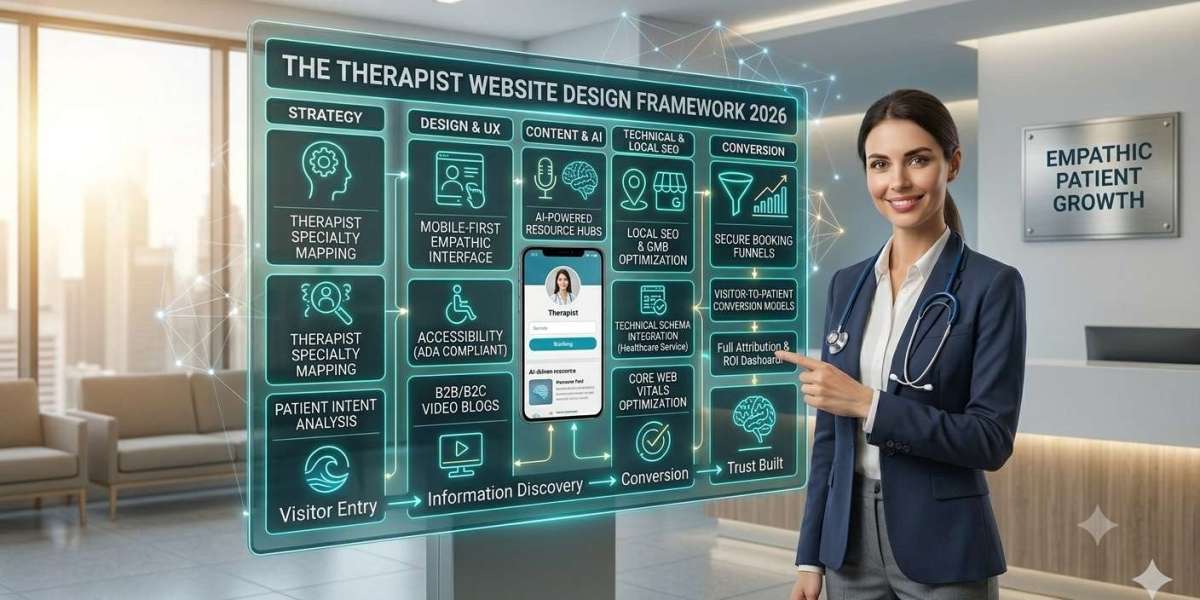

In the mental health profession, your digital presence is far more than an online business card. For someone experiencing high anxiety, severe stress, or a personal crisis, reaching out to a mental health professional requires an immense amount of courage. When they look for help online, your website is the very first touchpoint of your therapeutic relationship. If a site feels clinical, confusing, or outdated, it can instantly alienate a vulnerable individual.
For modern practices, implementing strategic website design for therapists means seamlessly balancing two distinct elements: deep clinical empathy and cutting-edge technical optimization.
In 2026, search algorithms place mental health platforms under the strictest scrutiny. To stand out, rank on regional search engines, and earn high-quality editorial backlinks from medical institutions, your web infrastructure must be accessible, completely secure, and optimized for user intent. This blueprint breaks down the exact framework needed to build an elite, high-converting digital home for your practice.
1. The Psychology of Empathic User Experience (UX)
High-converting web development for private practices requires a deep understanding of patient psychology. The visual and structural design must actively reduce cognitive load and evoke a sense of safety from the moment the homepage loads.
A. Calming and Intentional Visual Palettes
Avoid harsh, hyper-saturated corporate colors or distracting background animations. Instead, use soft, grounding earth tones—such as muted sages, warm sand tones, and serene slate blues. These palettes naturally lower stress responses. Combine this with ample white space to create an open, organized, and unhurried reading experience.
B. Transparent and Accessible Interface Navigation
When a user is overwhelmed, complex drop-down menus will cause them to bounce off your page. Keep your primary menu exceptionally clean. Ensure the most critical information—such as your areas of expertise, pricing/insurance policies, and direct booking options—is accessible within a single click from any location on your site.
2. Technical SEO & Medical Trust Factors (YMYL)
Because mental health falls strictly under Google’s YMYL (Your Money or Your Life) content guidelines, search engines will not rank your platform unless it demonstrates flawless technical compliance and structural trustworthiness.
A. Implementing Structured Medical Schema
Search engine crawlers use backend microdata to properly index local medical services. By hardcoding advanced TherapeuticServices or LocalBusiness schema markers into your website template, you communicate your precise credentials, location, and operational parameters directly to search algorithms. This increases your chances of appearing in hyper-local Google Map Packs.
B. Mobile Optimization & Core Web Vitals
More than 65% of mental health searches occur on mobile devices under private conditions. Your site must load seamlessly in under 2.5 seconds across all mobile networks. Compress your visual assets using next-gen file formats like WebP and eliminate render-blocking scripts to maximize your mobile performance metrics.
3. The Definitive Structural Content Outline
To structure your site for maximum user engagement and professional link equity, map your core directory across this optimized content layout:
| Strategic Web Page | Core Functional Objective | Vital Conversion Elements |
| Homepage | Establish Immediate Safety & Trust | Clear value statement, real practitioner photography, accessible booking CTA. |
| About Me / Bio | Humanize the Therapeutic Relationship | Professional credentials, board certifications, personal philosophy statements. |
| Specialization Pages | Demonstrate Focused Competence | Dedicated pages for Anxiety, Depression, Trauma, or Couples Therapy. |
| Investment & Insurance | Eliminate Hidden Financial Friction | Clear breakdown of session fees, superbill availability, in-network/out-of-network details. |
| Contact / Crisis Hub | Frictionless Communication Channels | Secure input form, clear phone links, immediate national crisis hotline resources. |
4. Prioritizing Privacy, Security, and Compliance
Data privacy is paramount in the mental health industry. In 2026, a secure framework is a mandatory requirement for both user safety and organic search visibility.
Secure Hosting Environments: Your entire domain must be shielded by an active, high-grade SSL certificate (HTTPS), ensuring all transit data is heavily encrypted.
Compliant Lead Forms: Never collect sensitive clinical intake details through standard, unencrypted website forms. Use embedded contact portals from trusted, specialized practice management software systems that provide formal Business Associate Agreements (BAAs).
Clear Legal Disclaimers: Your website footer must display explicit Privacy Policies, Terms of Service agreements, and clear medical disclaimers clarifying that your digital content does not constitute a formal clinical diagnosis.
5. Elevating E-E-A-T to Attract Natural Backlinks
To build robust organic authority that keeps you ahead of your competitors, your content strategy must prioritize E-E-A-T (Experience, Expertise, Authoritativeness, and Trustworthiness).
Publishing deeply researched, accessible resources on coping mechanisms, mindfulness frameworks, or mental health awareness acts as a powerful link magnet. High-authority medical directories, university wellness blogs, and local community networks naturally link back to well-structured, authoritative content hubs. This consistent influx of natural editorial backlinks signals domain reliability to search engines, lifting your entire practice up the organic search rankings.
Conclusion: Activating Your Digital Practice Asset
An unoptimized, confusing website design for therapists acts as a barrier between you and the individuals who need your specialized clinical expertise. True digital growth requires transforming your web framework into a welcoming, highly secure, and intuitive extension of your physical office.
By partnering with the specialized engineering and design professionals at Top Branding Altimeter, you build a premium digital asset tailored specifically to the unique nuances of mental health practices. Ready to elevate your online visibility, earn powerful industry backlinks, and build an ethical, high-converting patient pipeline? Explore elite industry frameworks and launch your optimized practice platform today.