We are an estimated 4.95 million blind persons and 70 million vision impaired persons in India. Moreover, 15.5 Lakhs people are blind in Delhi. We take our health for granted especially eyes and don’t go for regular eye check-ups. Thus, mostly patients usually don’t notice their eye problems until significant vision loss has taken place. Delhi is the second most affected state after UP in India.
However, Glaucoma Treatment in Delhi has become easily accessible with latest technologies and experienced Glaucoma Specialists at Save Sight Centre. We're here to help you with early diagnosis and cure for glaucoma. Our dedication to excellent healthcare and using the advanced skills and techniques makes us a top choice for managing this eye problem.
What is Glaucoma?
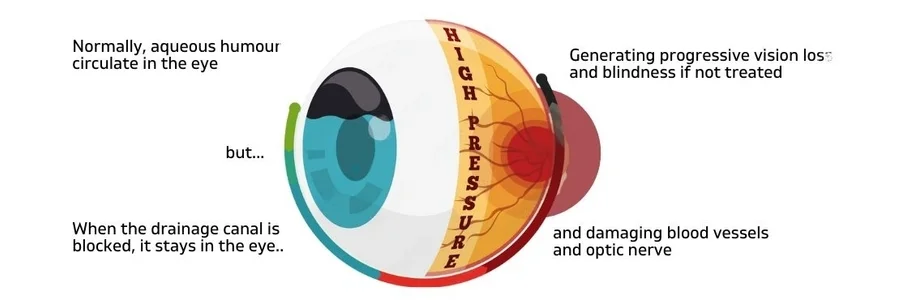
When Fluid builds up in the front part of the eye, it increases the pressure inside the eye. This pressure is known as intraocular pressure (IOP). If it remains high for long time, it gradually destroys the optic nerve fibres which results to vision loss. Glaucoma (Kala Motiya) is also called “Silent Thief of Vision” because symptoms are hard to find until it's too late.
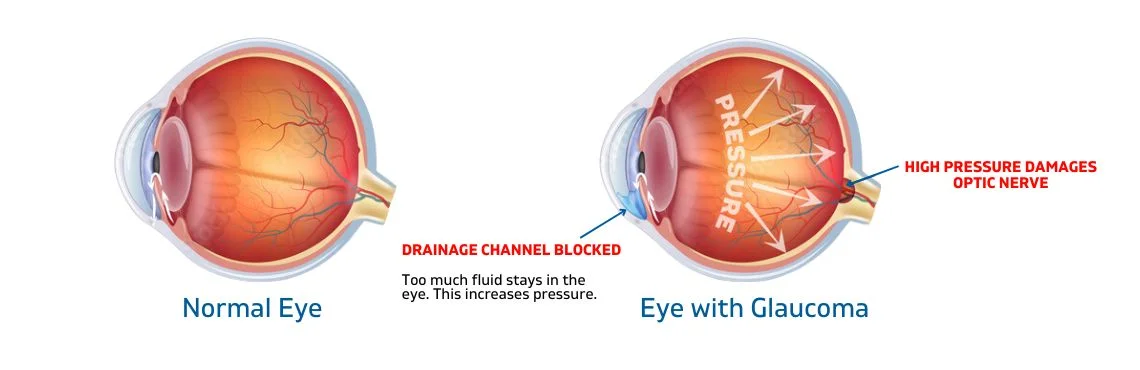
Glaucoma can occur in any age but are mostly found in older adults. Remember, the lost vision due to this eye problem cannot be recovered or reversed. The treatment can only save and protect the remaining vision.
Symptoms of Glaucoma
You must visit an eye specialist:
- Seeing rainbow-colored circles around lights, especially at night or in dim settings.
- Frequent change in the power of glasses.
- If your vision suddenly becomes blurry, especially in low light or at night time.
- Finding it hard to see things from the sides of your eyes.
- Experiencing lasting eye pain or headaches, sometimes with queasiness.
- Sensing that your view is like peering through a narrow tunnel.
- Noticing consistent, uncomfortable pressure in your eyes.
Who are at risk for Glaucoma?
The common causes may include:
- Unknown cause
- Increasing age
- Family history of Glaucoma
- Previous eye disease
- Health conditions like diabetes and hypertension can cause it
- Prolonged steroid usage both oral and topical
- Thin corneas correlate with risk, especially after LASIK
- Poor optic nerve blood flow links to onset
- Trauma to eyes
How is glaucoma diagnosed?
Glaucoma Test can be through a comprehensive eye examination. This may involve several steps:
1. Eye Pressure Test: The doctor will measure the pressure inside your eyes using a device called a tonometer. High eye pressure can be a sign of this eye problem.
2. Gonioscopy: In this test, the eye doctor will use a special lens to examine the drainage angle of your eye. Narrow or closed drainage angles can increase the risk of glaucoma.
3. Pachymetry: This test measures the thickness of your cornea, as thin corneas may indicate a higher risk.
4. Optic Nerve Examination: Your optic nerve at the back of your eye will be examined using a special instrument called an ophthalmoscope. Changes in the appearance of the optic nerve can suggest Kala Motiya.
5. Visual Field Test: This test checks your peripheral vision to see if there are any areas of vision loss, which can indicate this issue.
How is Glaucoma Treated in Delhi?
Glaucoma Specialists in Delhi typically opt several approaches to lower eye pressure and prevent further damage to the optic nerve. These treatments may include:
1. Medication: Eye drops or oral medications are often prescribed to reduce eye pressure by either decreasing fluid production or improving drainage.
2. Laser Therapy: Procedures like selective laser trabeculoplasty (SLT) or laser peripheral iridotomy (LPI) can help improve drainage and reduce eye pressure.
3. Glaucoma Surgery: In cases where medications and laser therapy are ineffective, surgical procedures like trabeculectomy or minimally invasive glaucoma surgery (MIGS) or Shunt like AGV, may be recommended to create a new drainage pathway for the eye fluid.
The type of surgery or treatment will be suggested as per your eye conditions and glaucoma types.
You just need to book an appointment with Glaucoma Specialist.
Types of Glaucoma (Kala Motiya)
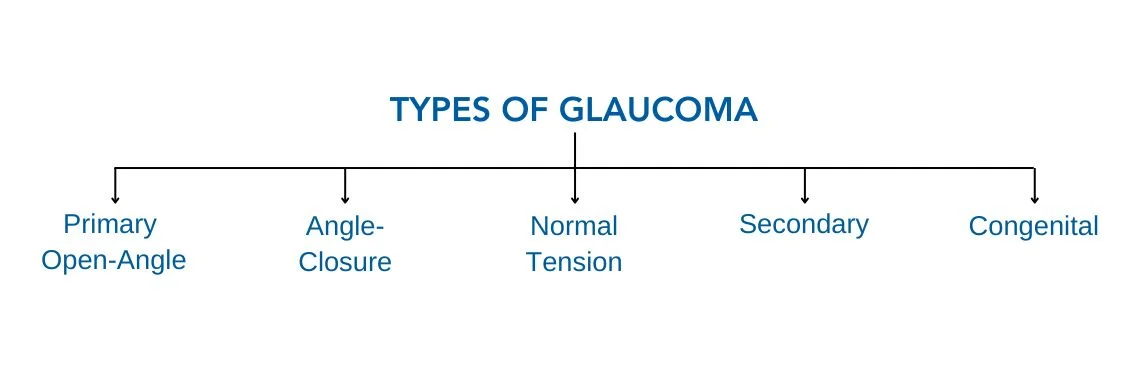
1. Primary Open-Angle Glaucoma: You don’t feel pain in this type and it develops gradually. It occurs when the drainage angle of the eye becomes less efficient over time, leading to a slow increase in eye pressure. Without treatment, this increased pressure can damage the optic nerve, resulting in vision loss, usually starting with peripheral vision.
2. Angle-Closure Glaucoma: It develops suddenly and can cause severe symptoms such as eye pain, headache, nausea, and vomiting. It occurs when the drainage angle of the eye becomes blocked, leading to a rapid increase in eye pressure. This type requires immediate medical attention to prevent permanent vision loss.
3. Normal-Tension Glaucoma: In this type, optic nerve damage occurs despite having normal eye pressure. The exact cause is not fully understood, but factors such as poor blood flow to the optic nerve may play a role. Regular eye check-ups are essential for early detection and management of normal-tension glaucoma to prevent vision loss.
4. Secondary Glaucoma: Secondary glaucoma develops as a result of other eye conditions or medical conditions such as diabetes, eye injuries, or certain medications. It's essential to manage the underlying condition to prevent secondary glaucoma from causing further damage to the eyes.
5. Congenital Glaucoma: Rare but serious, congenital glaucoma is present from birth. It occurs when the eye's drainage system doesn't develop properly. Early diagnosis and surgery are vital to save the vision of affected infants.
How often should I get my eyes examined for glaucoma?
For most people, it's recommended to have a comprehensive eye tests every year, starting from the age of 40. However, if you're at a higher risk due to above mentioned factors, your eye doctor may recommend more frequent tests after every six months.
Difference between Cataract (Safed Motia) & Glaucoma (Kala Motia)
| Basis | Cataract (Safed Motia) | Glaucoma (Kala Motia) |
|---|---|---|
| Affected Part | Cloudy lens inside the eye | Damage to the optic nerve |
| Symptoms | Causes blurred vision | Often has no symptoms until advanced |
| Age Association | Usually associated with ageing | Can occur at any age |
| Treatment | Treatable with surgery | Treatment focuses on lowering eye pressure |
| Vision Outcome | Vision can usually be restored | Vision loss is irreversible if untreated |
What can i do to prevent glaucoma?
To help prevent glaucoma:
1. Go for regular eye check-up to monitor eye health and detect glaucoma early.
2. Maintain a healthy lifestyle with regular exercise, a balanced diet, and avoiding smoking, as these can help reduce the risk.
3. Protect your eyes from injury by wearing protective eyewear when participating in activities that could cause eye trauma.
4. Keep your diabetes and hypertension under control, as they can increase the risk
5. If you're diagnosed with glaucoma or have a family history of the condition, follow your doctor's treatment plan.
6. Stress can increase eye pressure, so practice stress-reducing techniques like meditation or deep breathing exercises.
Best surgeon for glaucoma laser surgery in Delhi
You can be assured of receiving a high-quality treatment and attention when you entrust your care to best glaucoma specialists at Save Sight Centre, an experienced ophthalmologist is committed to providing comprehensive care that meets your needs. We use the latest advances in treatment for glaucoma to protect your vision and improve your eye health. You're choosing more than just a doctor when you choose Dr. Shuchi. She's a partner who is committed to improving your vision and quality of life.