
Introduction
Bringing a pet to a new country is an emotional and logistical undertaking. For those planning to relocate to Vietnam, understanding the official process is only half the battle — avoiding the common mistakes that derail even well-intentioned pet owners is equally important. The Vietnam pet import requirements are clear, but they are also unforgiving when not followed precisely. This article highlights the most frequent errors pet owners make and explains how to avoid them, so your companion’s journey is as smooth and safe as possible.
Mistake 1: Starting the Process Too Late
By far the most common mistake is underestimating how much lead time is required. Many pet owners assume they can sort everything out within a few weeks of departure, only to discover that the process requires a minimum of one and a half to three months of preparation. This timeline is driven by the need for vaccinations to take effect (the rabies vaccine alone requires at least 30 days), government endorsements that take processing time, and veterinary clinic availability. Starting late creates a cascade of problems that can ultimately result in your pet missing the flight or being refused entry at the Vietnamese border.
The solution is simple: as soon as you know you are relocating to Vietnam, begin the pet import process. Even if your travel date is several months away, early action gives you flexibility and reduces stress significantly.
Mistake 2: Ignoring the Microchip Requirement
Some pet owners arrive at the veterinary clinic with all their vaccination records in hand, only to discover that their pet is not yet microchipped — or that the existing chip is not ISO-standard. Since the microchip number must appear on every official document, including the health certificate and vaccination records, the chip must be implanted before anything else is done. A chip inserted after documents have been prepared creates a mismatch that invalidates the paperwork.
Always confirm that your pet’s microchip is ISO 11784/11785 compliant and that the number is clearly visible and scannable before you begin any other import procedures.
Mistake 3: Incorrect or Incomplete Vaccination Records
Vietnam authorities require a specific set of vaccinations, with the rabies vaccine being the most strictly enforced. Errors on vaccination records — such as incorrect dates, missing veterinarian signatures, or the wrong vaccine brand recorded — are common reasons for rejection. Similarly, some pet owners present records that are close to expiry or that do not cover the full window of time required by Vietnamese regulations.
To avoid this, work with a veterinarian who is familiar with international pet travel documentation. Ask them to review the records carefully before you leave the clinic, and always carry both original records and a certified copy.
Mistake 4: Not Obtaining the Required Government Endorsement
The pet health certificate alone is not always sufficient. Depending on your country of departure, the certificate must be officially endorsed by a government veterinary authority before Vietnamese customs will accept it. In Hong Kong, for instance, this endorsement is provided by the Agriculture, Fisheries and Conservation Department (AFCD). Many pet owners overlook this step because they assume the vet’s signature is enough. It is not.
Factor in the time required to obtain this endorsement when planning your schedule. In some cases, the process can take several business days, so do not leave it until the day before departure.
Mistake 5: Using a Non-Compliant Travel Crate
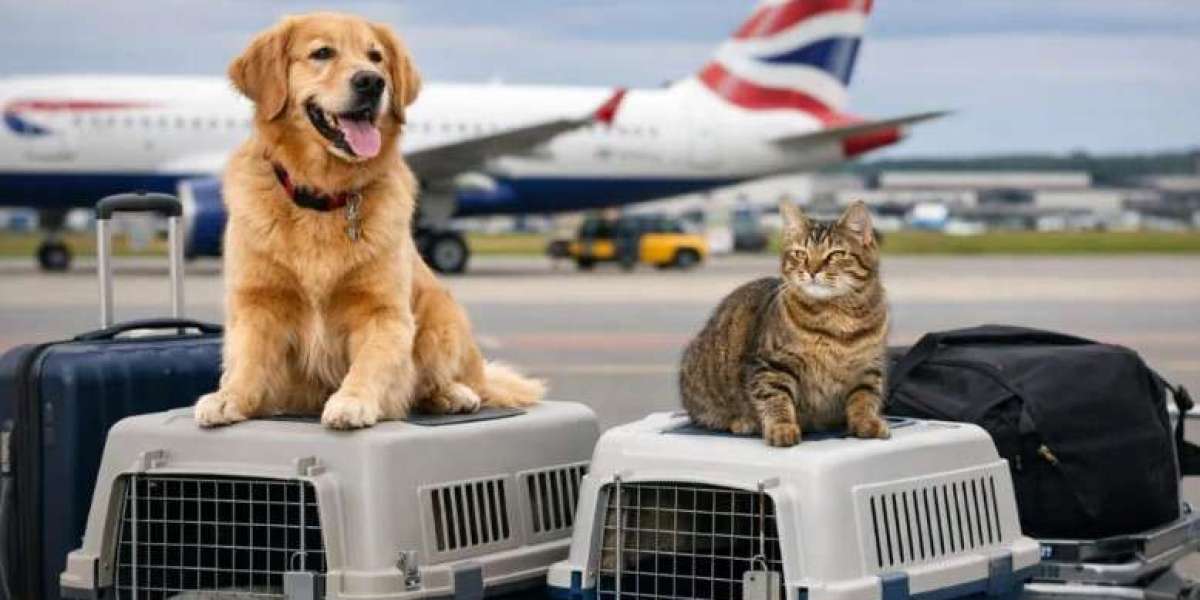
Airlines and Vietnamese import authorities both require that pets travel in IATA-standard crates. Non-compliant crates — those that are too small, poorly ventilated, or made from unapproved materials — can result in the airline refusing to board your pet. This is a heartbreaking situation that is entirely preventable. Measure your pet carefully and select a crate that allows them to stand at full height, turn around, and lie down comfortably.
Purchase the crate well in advance and allow your pet to spend time inside it before the journey. This reduces travel anxiety and ensures your pet is calm and settled on the day of departure.
Mistake 6: Forgetting Specific Requirements for Dogs
If you are bringing a dog to Vietnam, there is an additional requirement that often catches owners by surprise: a valid dog licence. This is separate from the general pet documentation and must be included in your paperwork package. Overlooking this requirement — or assuming it applies only to dogs already resident in Vietnam — is a mistake that can cause delays at customs.
Mistake 7: Not Coordinating with the Airline
Vietnam’s import regulations require pets to travel as cargo and, in most cases, on the same flight as their owner. However, airlines have their own rules, limitations, and booking processes for pet cargo. Some carriers have restrictions based on breed, size, or the ambient temperature at departure and arrival airports. Not confirming all these details with the airline early enough can leave you scrambling at the last minute.
Book your pet’s cargo space at the same time as your own ticket. Confirm the airline’s requirements in writing and keep that confirmation with your travel documents.
Conclusion
The Vietnam pet import requirements are detailed but manageable for any pet owner who approaches the process with diligence and advance planning. The most costly mistakes are almost always the result of underestimating the timeline, missing a document, or failing to coordinate with the right parties. By being aware of these common pitfalls and taking proactive steps to avoid them, you can ensure that your pet arrives in Vietnam safely, legally, and ready to begin a wonderful new chapter alongside you.