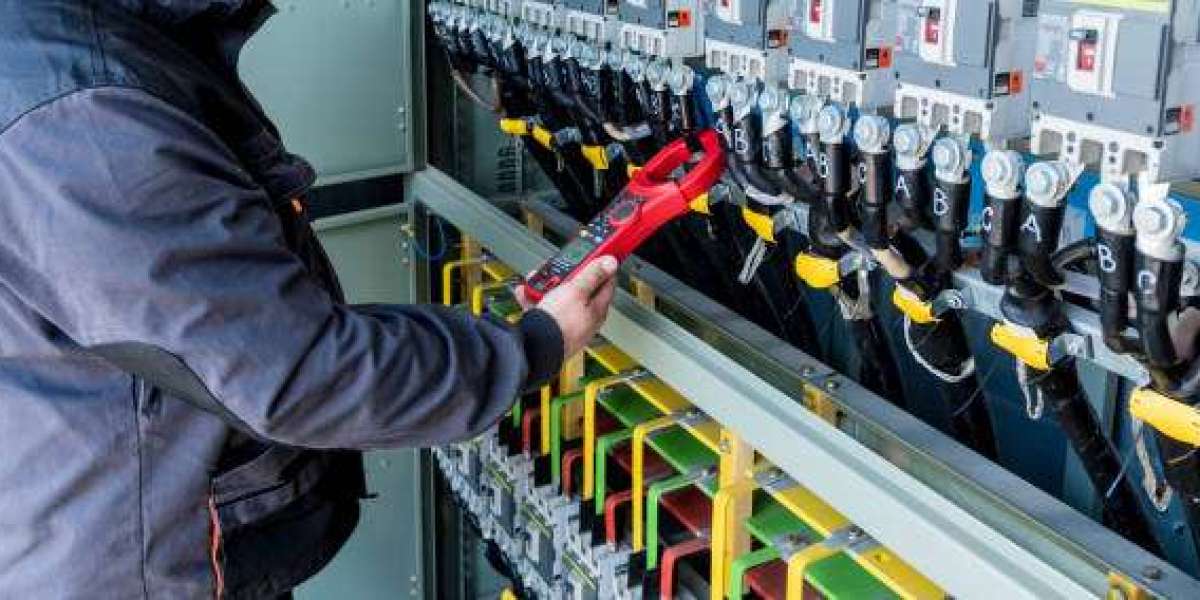

According to the NFPA, U.S. fire departments responded to an estimated average of 46,652 home fires each year from 2020 to 2024 that involved electrical failure or malfunction. That number is serious, and it shows why an electrical compliance check matters before a small issue grows into a major one.
Homeowners often miss early warning signs. However, the signs are usually there. Lights flicker. Breakers trip. Outlets feel warm. A strange smell appears and then fades. These problems may seem minor at first. Still, they can point to wiring faults, overloaded circuits, or aging parts. The CPSC says home electrical systems wear out over time and need regular review by qualified professionals.
1. Lights Flicker More Than Usual Electrical Compliance Check
Flickering lights are not always harmless. Sometimes, a bulb is loose. Yet repeated flickering across rooms can signal a deeper issue. ESFI lists dimming and flickering lights as a warning sign of electrical trouble.
This problem often shows up when large appliances turn on. For example, lights may dip when the air conditioner starts. That may mean the circuit is overloaded. It can also mean wiring connections are weak. As a result, the system may struggle to carry power safely.
A homeowner should not ignore this sign. Instead, they should get it checked early. A trained electrician can test circuits, inspect the panel, and spot risky wear. That simple step can lower fire risk and help the home run more safely every day.
2. Breakers Trip Again and Again
Frequent breaker trips are a clear warning. Breakers trip to stop overheating. So, when they trip often, the system is asking for help. ESFI points to repeated breaker trips as one of the common signs of electrical danger.
A homeowner may notice signs like these:
The kitchen breaker trips during normal cooking.
The same room loses power every week.
One outlet shuts down after several devices plug in.
A fuse blows more than once in a short period.
These signs often mean the circuit carries too much demand. In other cases, damaged wires or a weak breaker may be the cause. Therefore, a prompt inspection makes sense. A certified electrical compliance check gives homeowners real peace of mind because it confirms whether the system still meets current safety expectations.
3. Outlets Feel Warm or Look Discolored
Outlets should not feel hot. They should not smell odd either. If an outlet feels warm, something may be wrong behind the wall. ESFI warns that warm wall plates and burning odors can point to overloaded circuits or failing connections.
Discoloration matters too. Brown marks, black spots, or melted plastic often mean heat buildup. That can happen when wires loosen over time. It can also happen when a device pulls too much power. Either way, heat and electricity are a bad mix.
A homeowner should stop using that outlet right away. Then, they should ask for a professional inspection. An electrician can open the box, inspect the wire condition, and replace unsafe parts. Early action helps prevent shocks, damaged devices, and fire. Just as important, it keeps one small issue from spreading through the whole circuit.
4. Strange Smells, Buzzing, or Mild Shocks
Some warning signs are hard to miss. Others seem small, but they still matter. ESFI says burning odors, buzzing sounds, and mild shocks or tingles from outlets or appliances can all signal electrical trouble.
A homeowner should pay attention to signs like these:
A switch makes a crackling sound.
An outlet gives off a burnt smell.
These issues can point to arcing, loose wiring, or damaged insulation. The CPSC also stresses that electrical defects and repairs should be handled by qualified professionals, not by guesswork. So, this is not the time to wait. A quick response can stop a dangerous failure. In many cases, a free safety inspection helps homeowners spot the problem early and understand the safest next step.
5. The Home Has Older Wiring or an Aging Panel
Older homes often have charm. Still, old electrical systems can hide real risks. The CPSC says electrical systems age and wear out like any other part of a home. It also notes that older homes can face greater wiring hazards if problems go unchecked.
A panel that worked years ago may not fit modern power use. Today, people run more devices, larger appliances, and more chargers than ever before. Because of that, old panels may strain under daily demand. Worn wiring insulation can also crack or fail over time.
This is where a careful review helps.Use, an electrical compliance check can reveal outdated components, poor grounding, overloaded circuits, or missing safety features. Then, homeowners can fix issues before they become emergencies. That protects the property, but it also protects everyone living inside it.
6. The Home Lacks Modern Safety Devices
Modern safety devices do important work. GFCIs reduce shock risk in wet areas. AFCIs help detect dangerous arc faults before they start fires. The CPSC says GFCI protection reduces the risk of electric shock and electrocution.
However, many older homes still lack these features. A homeowner may have no protection in bathrooms, kitchens, garages, or outdoor outlets. They may also have old breakers that do not offer newer levels of fire prevention. That gap can leave the system less safe than it should be.
A compliance check helps identify what is missing. Then, upgrades can be planned in a smart way. This does more than improve safety. It can also support smoother inspections during remodeling, selling, or insurance reviews. As a result, the homeowner gains both protection and confidence.
7. Renovations Added New Demand
Home upgrades often increase electrical demand. A new oven, HVAC unit, workshop tool, or EV charger can push an old system too far. Even a home office setup can add more load than expected. So, a system that once worked fine may no longer be enough.
This problem often hides in plain sight. The lights still turn on. The outlets still work. Yet the wiring may run too hot, and the panel may be stretched. Over time, that strain can damage connections and raise fire risk. NFPA research also shows electrical distribution or lighting equipment remains a leading cause of home fire property damage.
A post-renovation review is a smart move. It checks whether the upgrades match the system’s real capacity. That way, the homeowner avoids overloads, nuisance trips, and unsafe shortcuts left behind during past work.
Insurance, Sale, or Lease Questions Keep Coming Up
Sometimes, the warning sign is paperwork. A buyer may ask about code issues. An insurer may question panel age. A property manager may need proof that the wiring is safe. These requests usually come for a reason. People want to know the system will not create preventable risk.
A professional check gives clear answers. It helps show what meets current expectations and what needs work. That makes decisions easier during a sale or renewal. It also helps homeowners avoid last-minute surprises that delay a closing or raise costs.
Most of all, it turns guesswork into facts. That matters because electrical issues are easy to overlook until they become expensive or dangerous. For homeowners who notice any of these signs, acting early is the smart move. In the end, Fire and Electric Inc can help them understand the risks, fix the problems, and move forward with more confidence.