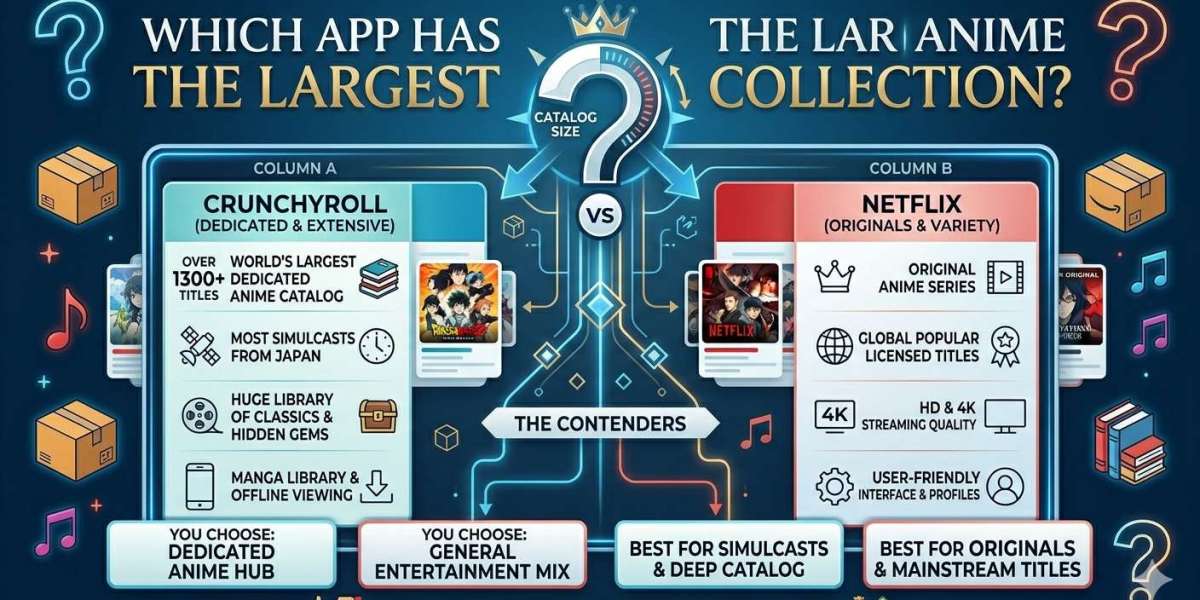

Netflix has money. More money than God. They spend seventeen billion dollars yearly on content. They bought whole studios. They hired top creators. They conquered Hollywood. So why does a niche platform called Crunchyroll still own anime? Why do fans laugh when you compare Netflix's anime section to Crunchyroll's library? Can Netflix ever fix this? Can they actually build a better anime collection? The answer is complicated. The answer is probably no. But the reasons why are worth understanding.
The David vs. Goliath Question
Netflix's Money vs. Crunchyroll's Culture
Netflix has resources. Crunchyroll has credibility. Netflix sees anime as content vertical. Crunchyroll sees anime as religion. This difference matters more than budgets. Crunchyroll was built by fans for fans. They simulcast before simulcasting was a word. They subtitled episodes overnight. They built forums and communities. They understand the seasonal rhythm. The weekly anticipation. The spoiler culture. Netflix understands none of this.
Money can buy licenses. Money can fund productions. Money cannot buy fifteen years of community trust. Money cannot manufacture cultural fluency overnight.
What "Better" Actually Means
Better could mean bigger. More titles. Better could mean faster. Same-day releases. Better could mean higher quality. Better animation. Better stories. Better could mean more accessible. Free tiers. Better dubbing. These definitions conflict. A bigger library with worse curation loses to a smaller curated one. Faster releases with lower quality disappoint. Netflix must choose which "better" to chase. They cannot win all definitions simultaneously.
Where Netflix Currently Wins
Production Value and Global Reach
Netflix originals look expensive. Castlevania had movie-quality animation. Devilman Crybaby pushed visual boundaries. Beastars used CGI innovatively. They hire international studios. They fund projects Japanese networks reject. The production values often exceed traditional anime budgets. This is undeniable.
They also reach audiences Crunchyroll never touches. Mainstream viewers who never heard of simulcasts. Casual fans who want dubbed content. Global markets where Crunchyroll has weak presence. Netflix's distribution muscle is real.
Original Anime That Breaks Boundaries
Netflix takes creative risks. They greenlight weird concepts. They give creators freedom from broadcast censorship. They experiment with format and style. Devilman Crybaby would never air on Japanese television. Neither would Baki or Kengan Ashura. Netflix's willingness to fund mature, extreme content fills a genuine gap.
Castlevania, Devilman Crybaby, and Beyond
These titles prove Netflix can compete on quality. Castlevania won Emmy awards. Devilman Crybaby became a critical darling. Beastars reached mainstream conversation. When Netflix commits, they deliver excellence. The problem is consistency. For every masterpiece, three forgettable productions die quietly.
Where Crunchyroll Dominates
Library Size: 1,000+ vs. ~200 Titles
Crunchyroll hosts over one thousand distinct anime titles. Netflix carries approximately two hundred. This gap is not close. It is not competitive. It is a different sport entirely. Crunchyroll has every genre covered. Every demographic served. Every era represented. Netflix has highlights. Crunchyroll has the whole archive.
Simulcast Speed: One Hour After Japan
Crunchyroll streams new episodes one hour after Japanese airing. With professional subtitles. Same day. Every season. For sixty to seventy new series. Netflix drops full seasons months later. Sometimes years later. This speed difference defines anime culture. Fans live weekly. They theorize. They meme. They anticipate. Netflix's binge model kills this energy completely.
The Free Tier Advantage
Crunchyroll offers thousands of titles free with ads. Netflix offers nothing free. Zero. The barrier to entry is massive. A curious teenager testing anime chooses Crunchyroll. A broke student chooses Crunchyroll. Netflix demands commitment upfront. Crunchyroll builds fandom organically.
The Numbers Game
Volume vs. Curation
Netflix argues quality beats quantity. Their two hundred titles are curated. They are mostly good. But anime fans do not want curation. They want completeness. They want to watch every season. Every franchise. Every adaptation. They want to fall down rabbit holes. Netflix's curated approach frustrates this exploratory instinct.
Licensed Rotation vs. Permanent Collection
Netflix licenses rotate. A series you started vanishes next month. Crunchyroll builds permanent collections. Classics stay forever. This reliability matters. Fans rewatch favorite series. They quote episodes. They share clips. Netflix's rotation undermines community building.
Netflix's Path to Surpassing Crunchyroll
Acquiring Japanese Studios
Netflix could buy production companies. They could acquire studios like MAPPA or Ufotable. They could control output directly. This would guarantee exclusive content. It would also alienate Japanese industry culture. Studios value independence. Forced acquisition could backfire creatively.
Simulcast Partnerships
Netflix could partner with Japanese broadcasters for same-day releases. They have tried. The results are inconsistent. Their infrastructure is built for binge drops. Weekly releases require different logistics. Different marketing. Different community management. Netflix resists this fundamentally.
Building a True Anime Community
Netflix could build forums. Seasonal guides. Episode discussion boards. They could hire anime-native community managers. They have not. Their interface treats anime like any other content. No seasonal organization. No simulcast schedule. No fan engagement tools. This neglect is structural. Fixing it requires platform redesign. Netflix shows no interest.
The Obstacles Netflix Faces
The Binge Model Kills Anime Culture
Anime thrives on weekly anticipation. Episode discussions. Theory crafting. Meme creation. Netflix dumps full seasons at once. The conversation lasts one week. Then dies. Shows like Blue Eye Samurai get attention briefly. Then fade. Weekly releases sustain conversation for months. This cultural momentum builds fandom. Netflix's model cannot replicate this.
Generalist Platform Stigma
Anime fans distrust generalists. Netflix carries everything. Anime feels like an afterthought. Buried under true crime and reality shows. Crunchyroll carries only anime. It breathes anime. This focus creates trust. Netflix would need to spin off a dedicated anime service. They have not. They will not.
Licensing Costs vs. Original Focus
Netflix prefers funding originals over licensing catalogs. Originals they control forever. Licensed content rotates. But anime fans want both. They want new productions. They also want Naruto. One Piece. Dragon Ball. The classics that built the medium. Licensing these costs fortunes. Netflix hesitates. Crunchyroll already paid.
The Fan Perspective
What Purists Demand
Purists want simulcasts. They want accurate subtitles. They want uncensored versions. They want community features. They want seasonal guides. They want no delays. They want no compromises. Netflix offers none of this. Purists will never switch. They are Crunchyroll's immovable base.
What Casual Viewers Accept
Casual viewers want dubbed hits. They want easy access. They want recognized titles. Netflix serves them fine. But casual viewers are not loyal. They subscribe for one show. They cancel after. They do not build communities. They do not sustain platforms. Purists sustain Crunchyroll. Netflix lacks this loyalty engine.
The Verdict: Possible, But Unlikely
The Timeline Challenge
Netflix could theoretically surpass Crunchyroll. In five years. With massive investment. With platform redesign. With cultural adaptation. But Crunchyroll grows too. They add titles weekly. They deepen studio relationships. They expand globally. Netflix must run faster just to catch up. The gap widens even as they chase.
The Identity Problem
Netflix is everything to everyone. Crunchyroll is anime to anime fans. This identity difference is insurmountable. Netflix cannot become Crunchyroll without abandoning their generalist model. They will not do this. Their shareholders would revolt. Their strategy forbids it.
Conclusion
Can Netflix have a better anime collection than Crunchyroll? Technically yes. Practically no. Money can buy content. It cannot buy culture. It cannot buy fifteen years of fan trust. It cannot buy the seasonal rhythm that defines anime fandom. Netflix will improve. They will fund more originals. They will license more hits. They will remain a solid secondary option. But they will not surpass Crunchyroll. Not in size. Not in speed. Not in community. The crown stays red and orange. Not red and black.
FAQs
Does Netflix produce better anime than Crunchyroll? Netflix originals like Castlevania and Devilman Crybaby often have higher production values. But Crunchyroll focuses on authentic Japanese productions. "Better" depends on taste. Netflix innovates format. Crunchyroll preserves tradition.
Why doesn't Netflix simulcast anime weekly? Netflix's business model is built on binge releases. Weekly episodes require different infrastructure, marketing, and community management. They have experimented with weekly drops occasionally. Their default remains full season dumps.
Could Netflix buy Crunchyroll? Sony already owns Crunchyroll. Netflix cannot acquire them. Even if possible, regulatory and cultural barriers would resist such consolidation. The anime industry values multiple platforms.
Is Netflix's anime section growing? Yes, slowly. They add originals and licensed titles. But the growth rate pales next to Crunchyroll's weekly additions. Netflix adds monthly. Crunchyroll adds weekly. The gap widens.
Should anime fans subscribe to both? Most dedicated fans use Crunchyroll as primary and Netflix as supplement. Netflix offers originals worth watching. Crunchyroll offers the complete anime experience. Together they cover most needs. Neither replaces the other.