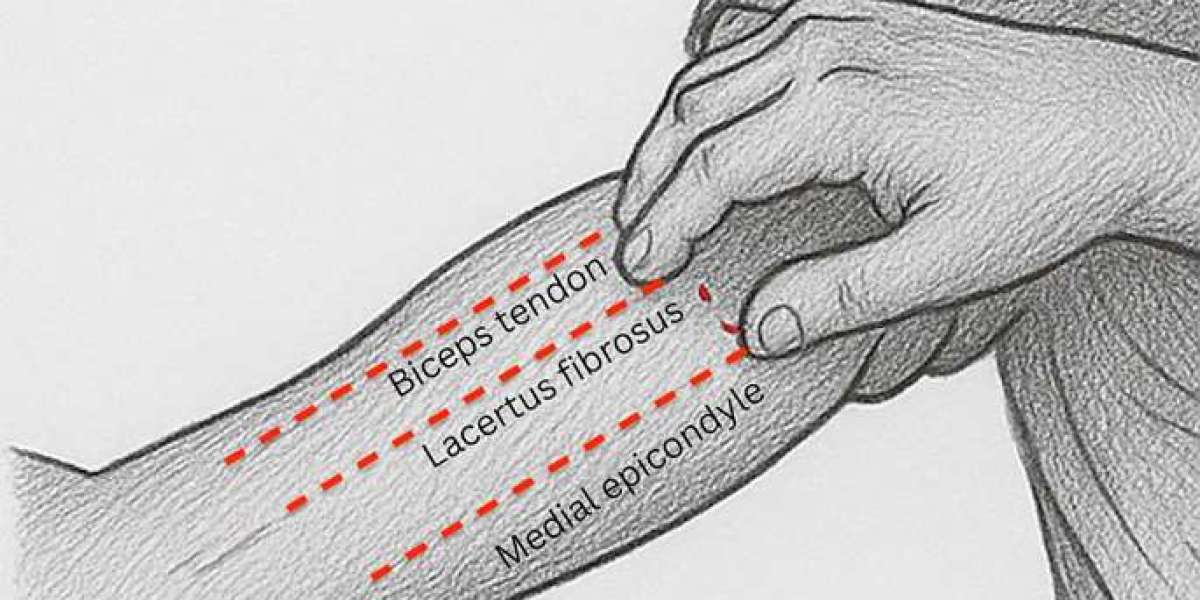

In some cases, the discomfort may be linked to a condition known as lacertus fibrosus syndrome. This condition is not very widely known, but it can cause significant pain and functional problems in the forearm and hand.
Understanding lacertus fibrosus syndrome can help you recognize the symptoms early and seek proper care before the condition worsens.
What is Lacertus Fibrosus Syndrome?
Lacertus fibrosus syndrome is a condition where a part of the arm called the lacertus fibrosus puts pressure on a nerve. This nerve is known as the median nerve, which plays an important role in hand and forearm movement.
The lacertus fibrosus is a fibrous band located near the elbow. It connects muscles and helps stabilize the arm. However, when this band becomes tight or thickened, it can compress the median nerve underneath it.
This pressure on the nerve can lead to pain, weakness, and reduced function in the arm and hand.
Understanding the Role of the Median Nerve
To better understand this condition, it is helpful to know what the median nerve does.
The median nerve:
- Controls movement in some forearm muscles
- Helps with thumb movement
- Provides sensation to parts of the hand
When this nerve is compressed, it can affect both movement and feeling. This is why people with lacertus fibrosus syndrome may experience both weakness and discomfort.
Causes of Lacertus Fibrosus Syndrome
There are several possible reasons why this condition may develop. In many cases, it is linked to repeated use of the arm.
1. Repetitive Movements
Activities that involve repeated bending of the elbow or gripping can strain the forearm muscles. Over time, this may lead to tightening of the lacertus fibrosus.
2. Overuse of the Arm
Jobs or sports that require frequent arm use can increase the risk. This includes:
- Manual labor
- Weightlifting
- Racquet sports
3. Muscle Tightness
Tight muscles in the forearm can increase pressure on the nerve. This may happen due to lack of stretching or poor posture.
4. Injury or Trauma
A direct injury to the elbow or forearm can cause swelling or structural changes that lead to nerve compression.
5. Anatomical Differences
Some people may naturally have a tighter or thicker lacertus fibrosus, making them more likely to develop this condition.
Common Signs and Symptoms
The symptoms of lacertus fibrosus syndrome can vary from person to person. However, there are some common signs to watch for.
1. Pain in the Forearm
Pain is often felt in the front part of the forearm. It may increase with activity.
2. Weak Grip Strength
Many people notice that their grip becomes weaker. Holding objects may feel difficult.
3. Fatigue in the Arm
The arm may feel tired quickly, even after light use.
4. Numbness or Tingling
Some individuals experience tingling or numbness in the hand, especially in the thumb and first few fingers.
5. Difficulty with Fine Movements
Tasks like buttoning a shirt or writing may become harder.
6. Pain Near the Elbow
Discomfort may also be felt near the inner side of the elbow.
How is It Different from Other Conditions?
Lacertus fibrosus syndrome can sometimes be confused with other nerve-related conditions.
Carpal Tunnel Syndrome
This affects the wrist, not the elbow. However, both conditions involve the median nerve.
Pronator Syndrome
This also involves compression of the median nerve but occurs deeper in the forearm.
Tennis Elbow
This condition affects the outer part of the elbow and is related to tendon inflammation, not nerve compression.
Proper diagnosis is important because treatment can vary depending on the condition.
Diagnosis of Lacertus Fibrosus Syndrome
Diagnosing this condition requires a careful evaluation by a medical professional.
1. Medical History
The doctor will ask about your symptoms, daily activities, and any previous injuries.
2. Physical Examination
The arm and elbow will be examined for pain, weakness, and nerve sensitivity.
3. Functional Tests
Simple tests may be done to check grip strength and muscle function.
4. Imaging Tests
In some cases, imaging like ultrasound or MRI may be used to get a better view of the structures in the arm.
5. Nerve Studies
Tests may be done to measure how well the nerve is working.
Treatment Options
Treatment for lacertus fibrosus syndrome depends on the severity of the condition. The goal is to reduce pressure on the nerve and restore normal function.
Non-Surgical Treatments
In many cases, non-surgical methods are effective, especially in the early stages.
1. Rest and Activity Modification
Reducing activities that cause strain can help relieve symptoms.
2. Physical Therapy
Exercises can help improve flexibility and strength. Stretching the forearm muscles is especially helpful.
3. Anti-Inflammatory Medications
These can help reduce pain and swelling.
4. Bracing or Support
Using a brace may reduce stress on the affected area.
5. Ergonomic Changes
Adjusting your work setup can prevent further strain.
Surgical Treatment
If non-surgical treatments do not provide relief, surgery may be considered.
The procedure involves releasing the lacertus fibrosus to reduce pressure on the median nerve. This is usually a simple procedure and can provide significant relief.
Recovery time varies, but many people notice improvement in symptoms after surgery.
Recovery and Rehabilitation
Recovery plays an important role in regaining full function.
1. Gradual Return to Activity
It is important to slowly return to normal activities to avoid re-injury.
2. Strengthening Exercises
Building strength in the forearm muscles can help prevent future problems.
3. Regular Stretching
Stretching keeps the muscles flexible and reduces tension.
4. Follow-Up Care
Regular check-ups ensure that healing is progressing well.
Prevention Tips
While not all cases can be prevented, there are steps you can take to reduce the risk.
1. Take Breaks
Avoid continuous repetitive movements without rest.
2. Maintain Good Posture
Proper posture reduces strain on the arm and muscles.
3. Use Proper Techniques
Whether in sports or work, correct technique is important.
4. Strengthen and Stretch
Regular exercise helps keep muscles balanced and healthy.
5. Listen to Your Body
Do not ignore early signs of pain or discomfort.
When to See a Doctor
You should seek medical advice if:
- Pain does not improve with rest
- You experience persistent weakness
- Numbness or tingling worsens
- Daily activities become difficult
Early treatment can prevent the condition from becoming more serious.
Living with Lacertus Fibrosus Syndrome
Managing this condition requires awareness and care. With the right approach, most people can return to their normal activities.
Simple lifestyle changes, combined with proper treatment, can make a big difference. Staying consistent with exercises and avoiding strain are key factors in long-term recovery.
Conclusion
Lacertus fibrosus syndrome may not be very common, but it can have a significant impact on your arm function and daily life. Recognizing the symptoms early and understanding the causes can help you take the right steps toward recovery.
With proper diagnosis and treatment, most people experience good outcomes. Whether through non-surgical care or a simple procedure, relief is possible.
If you are experiencing ongoing arm pain or weakness, it is always best to consult a qualified specialist. For expert guidance and advanced treatment options, consulting Dr Marouane Bouloudhnine can help you receive accurate diagnosis and personalized care for effective recovery.