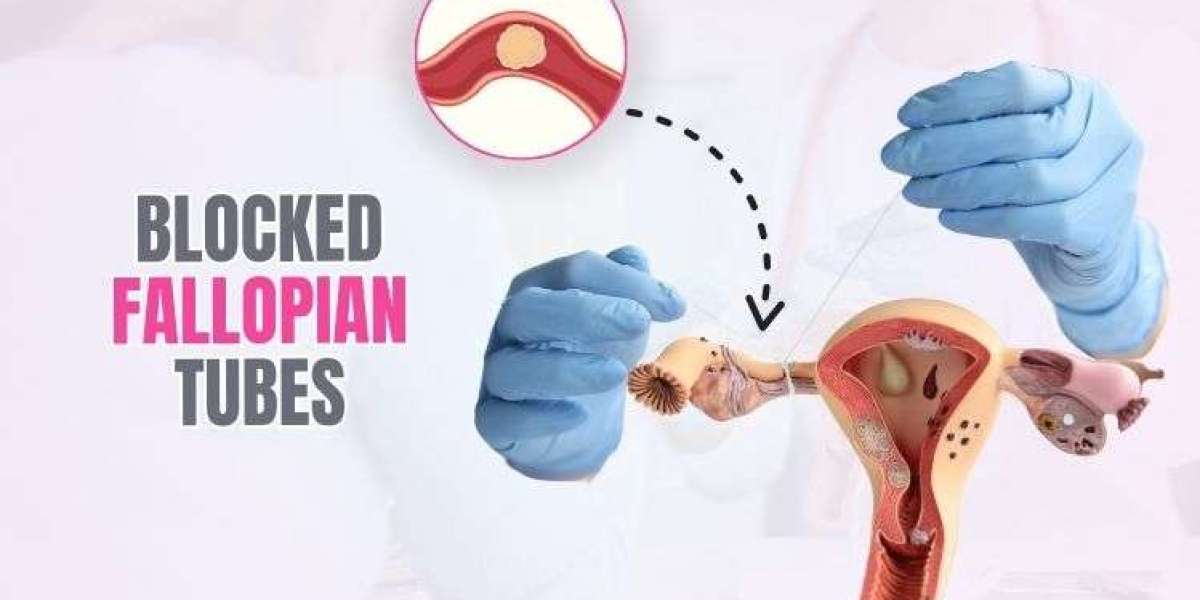

Understanding how the female reproductive system works can help you take better care of your health. Problems in this system can sometimes go unnoticed for a long time because symptoms are not always clear blocked fallopian tubes are one of the common reasons behind female infertility. This condition happens when one or both tubes are partially or completely blocked, making it difficult for the egg and sperm to meet or for the fertilized egg to reach the uterus.
In this blog, we will explain everything in simple language—what causes this condition, how to recognize it, and what treatment options are available.
What Are Fallopian Tubes?
Fallopian tubes are thin tubes that connect the ovaries to the uterus. Every month, an ovary releases an egg, which travels through the fallopian tube. If sperm is present, fertilization happens inside the tube.
After fertilization, the embryo moves to the uterus, where it grows into a baby. So, healthy and open tubes are very important for natural pregnancy.
What Does It Mean When Tubes Are Blocked?
When fallopian tubes are blocked, the egg cannot travel properly. Also, sperm may not reach the egg. In some cases, fertilization may happen, but the embryo cannot move to the uterus. This can lead to complications like ectopic pregnancy.
The blockage can happen in one tube or both. If only one tube is blocked, pregnancy is still possible but may take longer. If both tubes are blocked, natural pregnancy becomes very difficult.
Causes of Blocked Fallopian Tubes
There are several reasons why fallopian tubes can get blocked. Some of the most common causes include:
1. Pelvic Inflammatory Disease (PID)
This is a serious infection of the female reproductive organs. It is often caused by untreated sexually transmitted infections like chlamydia or gonorrhea. PID can cause inflammation and scarring in the tubes.
2. Previous Surgeries
Any surgery in the pelvic or abdominal area can lead to scar tissue formation. This scar tissue may block the tubes.
3. Endometriosis
This condition happens when tissue similar to the lining of the uterus grows outside the uterus. It can affect the fallopian tubes and cause blockage.
4. Tubal Ligation
This is a permanent birth control method where the tubes are cut or tied. In some cases, women may want to reverse it, but it can lead to blockage.
5. Ectopic Pregnancy
If a woman has had an ectopic pregnancy before, it can damage the fallopian tube and cause blockage.
6. Fibroids
Large fibroids near the fallopian tubes can block their opening.
7. Congenital Issues
Some women are born with abnormal or blocked tubes.
Symptoms of Blocked Fallopian Tubes
One of the biggest challenges is that this condition often does not show clear symptoms. Many women only find out when they try to get pregnant.
However, in some cases, there may be signs like:
- Difficulty in getting pregnant
- Pain in the lower abdomen
- Pain during periods
- Pain during intercourse
- Unusual vaginal discharge (if infection is present)
If the blockage is caused by a condition like endometriosis or infection, symptoms of those conditions may also appear.
How Are Blocked Fallopian Tubes Diagnosed?
Doctors use different tests to check if the fallopian tubes are open or blocked.
1. Hysterosalpingography (HSG)
This is a common test where a special dye is injected into the uterus. X-rays are taken to see if the dye flows through the tubes.
2. Ultrasound
Certain types of ultrasound can help identify fluid buildup or other issues.
3. Laparoscopy
This is a minor surgical procedure where a small camera is inserted into the abdomen to directly see the tubes.
4. Sonohysterography
A saline solution is used along with ultrasound to check the uterine cavity and tubes.
Types of Fallopian Tube Blockage
The location of the blockage matters because it affects treatment options.
1. Proximal Blockage
This occurs near the uterus. It may sometimes be easier to treat.
2. Mid-segment Blockage
This happens in the middle part of the tube.
3. Distal Blockage
This occurs near the ovary. It may cause fluid buildup called hydrosalpinx.
Can You Get Pregnant with Blocked Tubes?
Yes, it depends on the situation.
- If one tube is open, natural pregnancy is still possible.
- If both tubes are blocked, natural pregnancy is unlikely.
In such cases, medical treatments can help improve the chances of pregnancy.
Treatment Options for Blocked Fallopian Tubes
Treatment depends on the cause, severity, and location of the blockage.
1. Medications
If the blockage is caused by infection, antibiotics may help treat the infection. However, they may not remove existing scar tissue.
2. Tubal Surgery
Surgery can be done to remove the blockage or repair the tubes. Some types include:
- Removing scar tissue
- Opening blocked ends
- Reconnecting tubes (in case of previous ligation)
Success depends on the extent of damage.
3. Laparoscopic Surgery
This is a minimally invasive procedure used to treat mild to moderate blockage.
4. In Vitro Fertilization (IVF)
IVF is one of the most effective treatments. In this process:
- Eggs are collected from the ovaries
- Fertilized with sperm in a lab
- The embryo is placed directly into the uterus
This bypasses the fallopian tubes completely.
Lifestyle Tips to Support Reproductive Health
While lifestyle changes may not directly open blocked tubes, they can support overall reproductive health.
1. Maintain Good Hygiene
Prevent infections by practicing good personal hygiene.
2. Safe Sexual Practices
Use protection to reduce the risk of sexually transmitted infections.
3. Regular Health Checkups
Early detection of infections can prevent complications.
4. Healthy Diet
Eat balanced meals rich in vitamins and minerals.
5. Avoid Smoking
Smoking can harm reproductive health and reduce fertility.
When Should You See a Doctor?
You should consult a doctor if:
- You have been trying to conceive for more than a year
- You experience pelvic pain
- You have irregular or painful periods
- You have a history of infections or surgeries
Early diagnosis can improve treatment success.
Emotional Impact of Fertility Issues
Dealing with fertility problems can be emotionally challenging. Many women feel stress, anxiety, or sadness.
It is important to:
- Talk openly with your partner
- Seek support from family or friends
- Consider counseling if needed
Remember, medical science offers many solutions today.
Prevention Tips
While not all cases can be prevented, some steps can reduce risk:
- Treat infections early
- Avoid unsafe abortions
- Follow post-surgery care properly
- Maintain a healthy lifestyle
Final Thoughts
Blocked fallopian tubes are a common but treatable cause of infertility. Many women are able to conceive successfully with the right diagnosis and treatment plan. Understanding your body and seeking timely medical help can make a big difference.
If you are facing difficulty in conceiving or have concerns about your reproductive health, it is always best to consult a specialist. Proper evaluation and guidance can help you choose the right treatment option.
In conclusion, expert advice from professionals like Dr. Neha Lalla can help you understand your condition better and guide you toward the most suitable treatment for your needs.