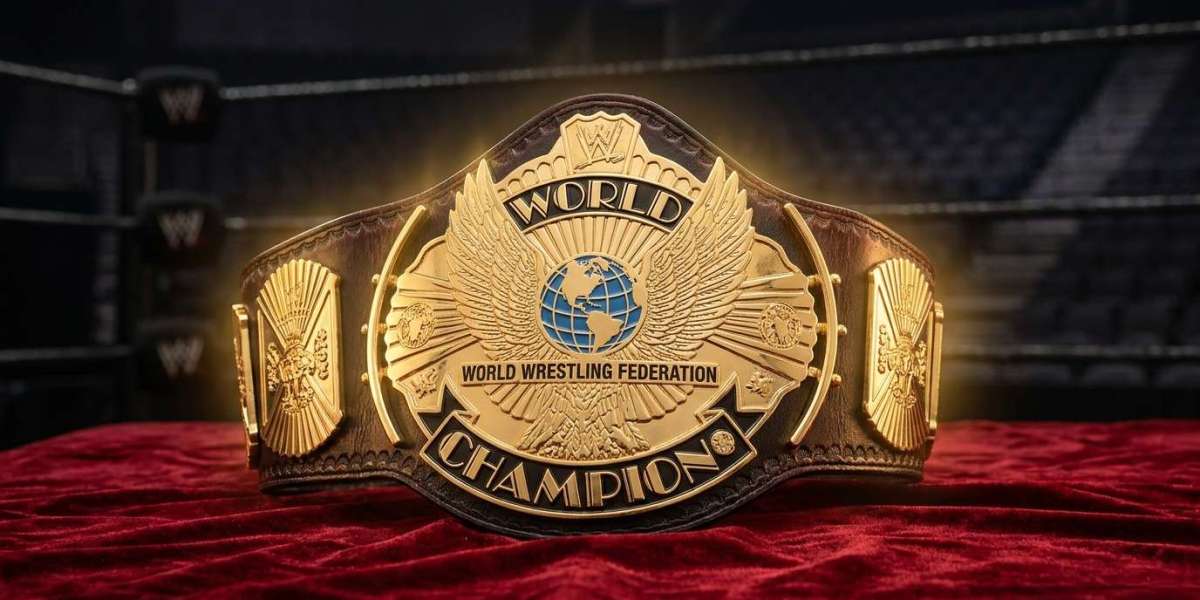

When a superstar wins the WWE Championship, the belt they receive is not merely a prop. It is a masterpiece of modern craftsmanship, a heavy, intricate, and meticulously designed piece of hardware that is intended to look like a million dollars under the bright lights of the stadium. The creation of these belts involves a secretive, highly specialized process that combines old-world artistry with cutting-edge manufacturing technology. Understanding how these trophies are brought to life reveals the extreme care and investment the organization puts into its most important asset.
The Artistic Foundations
The process often begins with hand-sculpting. Before any metal is poured or any machine is programmed, skilled artisans hand-sculpt the plates from clay. They meticulously capture every ridge, every letter, and every decorative element of the design. This stage is crucial because it ensures that the belt has a sense of depth and three-dimensionality that a computer-generated design might lack. These hand-sculpted models are the blueprints for the final product, setting the standard for the level of detail that will eventually be reproduced in metal.
Once the clay model is perfected, it is used to create a master mold. This mold then produces a metal prototype, which undergoes a rigorous refinement process. Artisans use chisels, files, and specialized polishing tools to sharpen the details and smooth the transitions between the plates and the letters. This stage can take weeks or even months of intensive work. The goal is to create a template that is perfect in every way, ensuring that every championship belt produced from that mold meets the exact standards of the organization.
The Metallurgy and Electroplating Process
The actual plates are typically cast from high-grade tin or brass. Once the casting process is complete, the plates are in a raw, unpolished state. They must be cleaned, buffed, and smoothed until they shine like mirrors. This is a labor-intensive stage where specialized technicians work to remove any microscopic imperfections, preparing the surface for the precious metal finish that will give the belt its characteristic gold look.
The magic happens in the electroplating bath. The plates are connected to an electrical circuit and submerged in an electrolyte solution containing 24-karat gold. Through the process of electrolysis, a thin, durable, and highly lustrous layer of gold is deposited onto the surface of the plates. This is not just a cosmetic finish; it is a permanent bond that ensures the belt can withstand the rigors of travel and frequent handling. For belts that require multi-tone effects, artisans use specialized masking techniques to ensure that different sections can be plated with gold, silver, or rhodium, creating the sophisticated, multi-dimensional look seen on modern championship designs.
Detailed Finishing and Gemstone Setting
After the electroplating is complete, the belt undergoes a final phase of finishing that adds its unique character. Etching is often used to apply textured patterns to the background areas, providing a sharp contrast against the polished, high-relief plates. Enamel painting is also frequently used to add color to logos or intricate design elements, requiring steady hands and a keen eye for detail. The plates are baked to lock in these finishes, ensuring they remain durable over the lifetime of the belt.
The most demanding and expensive part of the process is the setting of gemstones. High-end championship belts often feature rubies, sapphires, or even high-grade crystals set directly into the metal. This requires a jeweler to hand-set each stone into a precision-molded cavity. The most luxurious belts—such as the unique "Crown Jewel" championships—have reportedly featured tens of carats of genuine diamonds and gemstones, reaching a value that exceeds a million dollars. These pieces are not just products; they are high-end jewelry, crafted to be the most impressive objects in the arena.
Leather Assembly and Final Quality Control
While the plates get most of the attention, the leather strap is equally important. It is crafted from high-quality, reinforced leather, designed to provide the necessary support for the heavy plates while remaining flexible enough for the champion to hold. The assembly process involves precisely mounting the plates, ensuring that everything is perfectly aligned and that the belt maintains its structural integrity.
Final quality control is rigorous. Each belt is checked to ensure there are no nicks in the metal, no loose stones, and that the strap is finished to a high standard. This commitment to craftsmanship ensures that the championship belt feels as heavy, premium, and significant as it looks. The organization understands that for the superstars and the fans alike, the belt must represent the highest possible standard of quality.
Conclusion
The modern WWE championship belt is a triumph of art and engineering. It is the result of thousands of hours of work, performed by a secret circle of specialized artisans and engineers who are dedicated to the pursuit of perfection. By blending the ancient tradition of hand-sculpting with the high-tech precision of modern manufacturing, the promotion has created a trophy that is truly worthy of its status as the most prestigious prize in professional wrestling. It is a work of art that captures the grandeur of the industry and reminds us that, in the world of sports entertainment, the gold standard is not just an expression—it is an expertly crafted, shimmering reality.