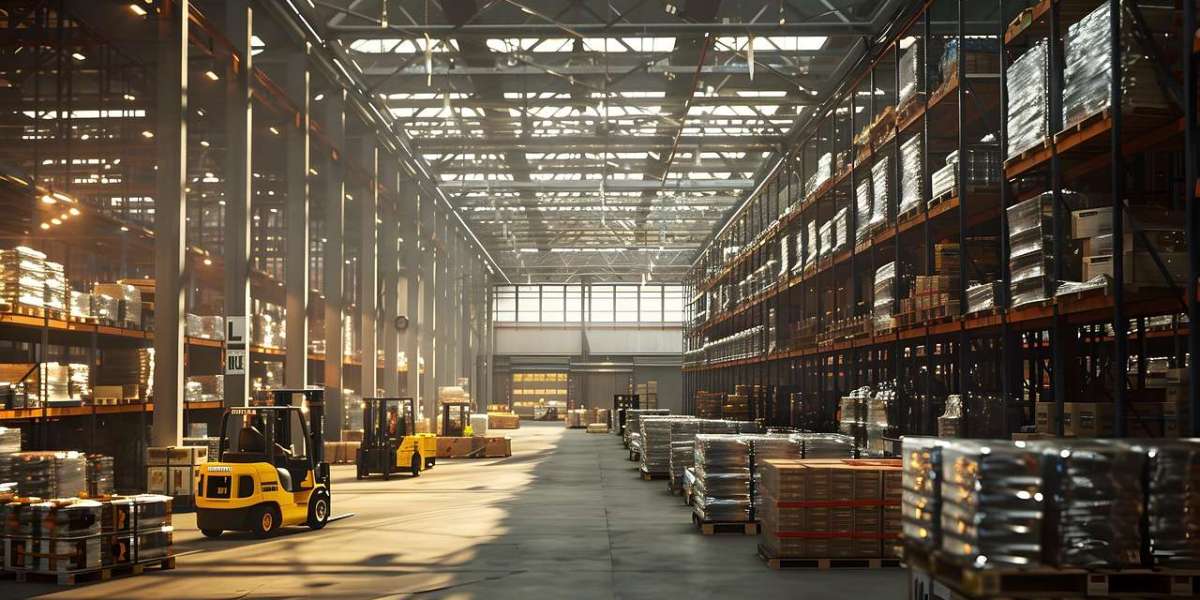

Have you ever wondered what happens to your package the moment it leaves your hands? For many e-commerce business owners, shipping a product feels like the end of the journey, but in reality, it is just the beginning of a complex, high-speed ballet. To ensure your customers receive their orders on time and in perfect condition, a professional warehouse fulfillment service takes over the heavy lifting. Once your inventory arrives at the facility, it enters a world of precision, technology, and rapid-fire logistics designed to keep your brand's reputation shining.
1. Receiving and Inspection
The process begins at the loading dock. When your products arrive, they aren't just tossed onto a shelf. The warehouse team performs a "receiving" process. Every box is counted and inspected for damage. If you sent 100 blue shirts, the team ensures all 100 are there and that none were stained or torn during transit. This step is vital because it ensures the digital inventory matches the physical reality.
2. The "Stowing" Phase
Once cleared, the items are "stowed." In a modern warehouse, this isn't just about finding an empty spot. Items are often organized using random stow or zone picking strategies.
High-demand items are placed near the packing stations.
Smaller items go into bins.
Bulky items go on heavy-duty racks. Everything is scanned into a Warehouse Management System (WMS) so the computer knows exactly which shelf, bin, and aisle every single unit occupies.
3. The Order Drop
When a customer clicks "Buy" on your website, the magic happens. The order is transmitted instantly to the warehouse. A "pick list" is generated, often sent to a handheld scanner or a tablet carried by a warehouse associate. This list is optimized to create the shortest walking path through the warehouse, saving precious seconds.
4. Picking: The Scavenger Hunt
The "picker" travels to the exact coordinates provided by the system. They scan the item’s barcode to ensure it is the correct size, color, and model. If they pick the wrong item, the scanner usually beeps an alert, preventing mistakes before they happen. In massive facilities, this process is repeated thousands of times an hour with incredible accuracy.
5. Packing and Quality Control
After the items are gathered, they head to the packing station. This is where the human touch really matters. Packers choose the right size box or mailer to minimize shipping costs and prevent items from rattling around.
Dunnage: Bubble wrap, air pillows, or kraft paper are added for protection.
Personalization: If your brand uses custom tissue paper or thank-you notes, this is where they are tucked inside.
The Seal: The box is taped shut, and a shipping label is printed and applied.
6. Sorting and Outbound Shipping
The packed box moves onto a conveyor belt toward the shipping dock. High-speed sorters read the shipping label and divert the package to the correct "lane." One lane might be for local deliveries, another for international air freight, and another for a specific carrier like FedEx or DHL. At the end of the day, carrier trucks arrive, the pallets are loaded, and the packages begin their final trek to the customer’s doorstep.
Managing this entire flow on your own can be an overwhelming task that eats away at your time for marketing and product development. By partnering with a dedicated warehousing service provider, you gain access to the technology and manpower needed to scale your business effortlessly. While you focus on growing your brand, the experts behind the scenes ensure that every "ship" leads to a satisfied customer.