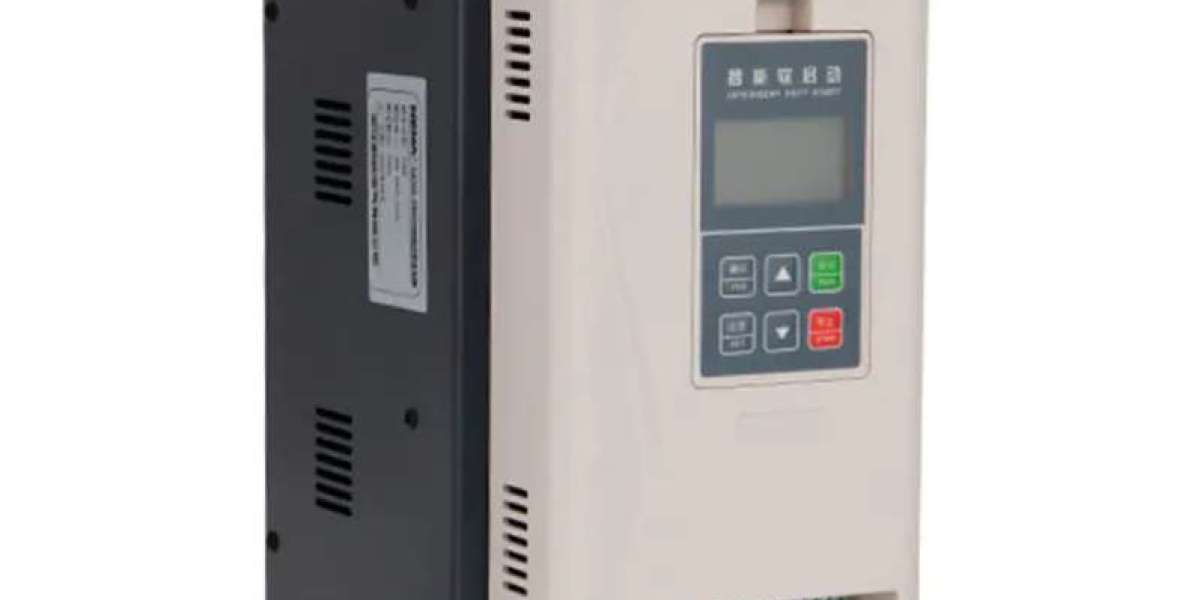

Industrial motor systems operate continuously in environments where stability and durability are essential for maintaining production efficiency. Electric motors drive equipment such as pumps, compressors, fans, and heavy mechanical systems, and their startup conditions can significantly affect overall equipment performance. To reduce electrical stress and mechanical shock during startup, many facilities rely on a Soft Starter within the motor control system so that voltage increases gradually and the motor accelerates smoothly under controlled conditions.
While advanced motor control technology provides stable startup performance, long-term reliability also depends on effective maintenance strategies. Industrial environments often expose electrical equipment to vibration, dust, temperature fluctuations, and heavy operational loads. Without proper inspection and maintenance, even well-designed control systems may experience reduced performance over time. Preventive maintenance practices help ensure that motor control devices continue operating efficiently and safely.
One of the primary maintenance tasks involves checking electrical connections within the control cabinet. Over time, vibration from nearby machinery can loosen terminals or cable connections. Loose connections may lead to increased electrical resistance, overheating, or unstable current flow. During routine inspections, technicians typically tighten terminals, verify wiring integrity, and ensure that grounding connections remain secure.
Thermal conditions inside electrical enclosures are another important factor affecting equipment reliability. Motor control components rely on semiconductor devices that regulate voltage and current flow. These components generate heat during operation, particularly when motors start frequently or operate under heavy loads. Maintenance teams should inspect ventilation pathways and cooling systems to ensure that airflow is not obstructed by dust or debris. Clean ventilation openings allow heat to dissipate efficiently and help maintain optimal operating temperatures.
Environmental conditions also influence the reliability of electrical control equipment. In industries such as mining, cement production, and heavy manufacturing, airborne dust particles can accumulate inside control cabinets if protective seals are compromised. Dust buildup may interfere with cooling performance or affect electrical insulation. Regular cleaning and inspection of enclosure seals help protect sensitive electronic components from environmental contamination.
Operational monitoring plays an important role in identifying potential issues before they develop into equipment failures. By observing parameters such as motor current, startup duration, and voltage stability, technicians can detect abnormal patterns that indicate possible system problems. For instance, if a motor consistently requires longer startup times or draws higher current than expected, it may signal mechanical resistance in the driven equipment or incorrect configuration within the control system.
Modern industrial facilities increasingly rely on digital monitoring tools that allow engineers to track equipment performance remotely. Motor control systems can be integrated into automation networks that transmit diagnostic data to centralized monitoring platforms. These systems help operators identify irregular conditions early and schedule maintenance activities before disruptions occur in the production process.
Another essential maintenance activity involves verifying the configuration parameters within the control system. Settings such as ramp time, current limits, and protective thresholds should correspond to the motor's operational characteristics. Changes in the mechanical load or production process may require adjustments to these parameters. Periodic review of configuration settings ensures that the system continues to operate efficiently under evolving operational conditions.
Zhejiang Xinhang Electric Co., Ltd. develops industrial motor control equipment designed to support long-term reliability and stable operation in demanding environments. Through durable design and precise control capabilities, the company's products assist industrial users in maintaining consistent motor performance while reducing electrical and mechanical stress during startup.
Industrial sectors including water treatment, manufacturing, logistics, and infrastructure depend on reliable motor systems to maintain continuous operation. By implementing structured maintenance programs and monitoring system performance regularly, operators can extend equipment lifespan and reduce the likelihood of unexpected downtime.
For companies seeking dependable motor control technology and detailed technical information, Zhejiang Xinhang Electric Co., Ltd. provides a range of solutions suitable for various industrial applications. Additional product specifications and application resources can be accessed through the company's official website: https://www.xnhang.com/product .