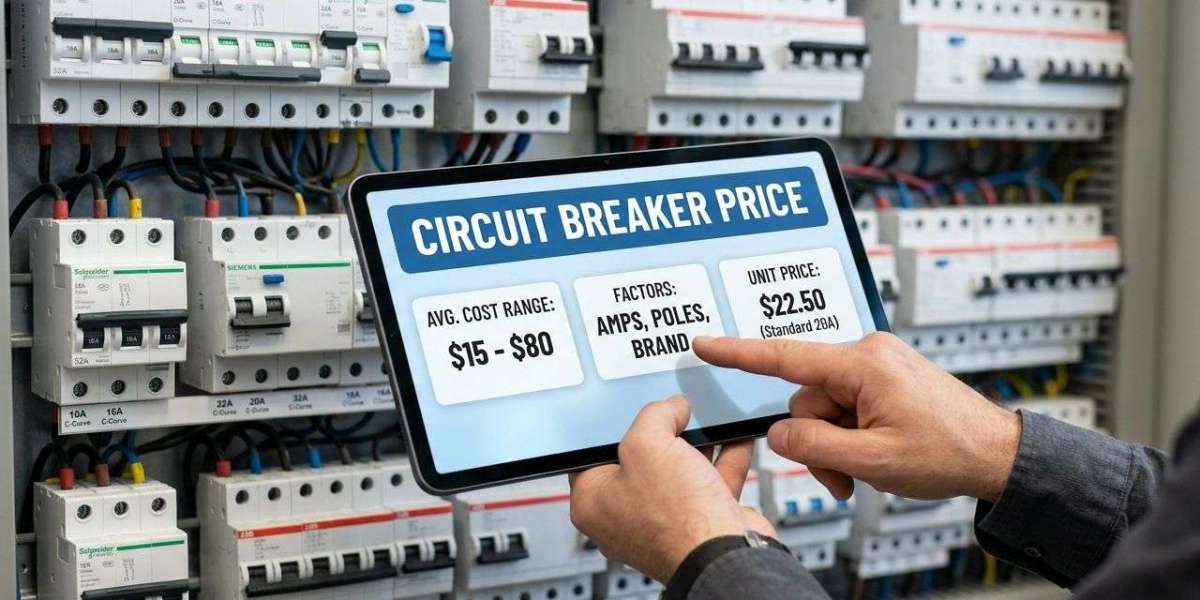

In modern electrical systems, safety and efficiency go hand in hand. One of the most critical components ensuring safety is the circuit breaker. However, when planning electrical installations or upgrades, understanding the circuit breaker price becomes crucial. The cost can vary widely depending on the type, capacity, brand, and features. This article will explore the factors affecting circuit breaker prices, the types available, and how to choose the right one for your home or business.
Understanding Circuit Breakers
A circuit breaker is an automatic electrical switch designed to protect electrical circuits from damage caused by overcurrent, short circuits, or overloads. Unlike fuses, which need to be replaced after they operate, circuit breakers can be reset to resume normal operation.
Circuit breakers are essential for both residential and commercial setups. They safeguard appliances, wiring, and people from potential electrical hazards. The proper selection of a circuit breaker is not only a safety measure but also a cost-effective choice in the long term.
Types of Circuit Breakers
The circuit breaker price largely depends on the type of breaker chosen. Understanding these types helps you make informed decisions.
1. Miniature Circuit Breakers (MCB)
MCBs are commonly used in homes and small offices. They protect against short circuits and overloads. Their compact design makes them suitable for smaller electrical panels.
- Price Range: $5 – $50 per unit (depending on brand and current rating).
- Use Case: Household circuits, lighting circuits, and small appliance protection.
2. Molded Case Circuit Breakers (MCCB)
MCCBs are used for higher current ratings and offer more precise protection. They can handle higher voltages and are suitable for industrial or large commercial applications.
- Price Range: $50 – $500 per unit.
- Use Case: Factories, large office buildings, and heavy machinery protection.
3. Earth Leakage Circuit Breakers (ELCB)
ELCBs are designed to prevent electric shocks by detecting earth faults. These breakers are often combined with MCBs for comprehensive safety.
- Price Range: $20 – $150 per unit.
- Use Case: Kitchens, bathrooms, outdoor areas, and areas prone to moisture.
4. Air Circuit Breakers (ACB)
Air circuit breakers are used for high voltage and high current applications, mostly in industrial plants and power distribution networks. They are more advanced and expensive.
- Price Range: $500 – $5,000 per unit.
- Use Case: Power plants, substations, and heavy industrial equipment.
Factors Affecting Circuit Breaker Price
The price of a circuit breaker is not fixed and depends on several critical factors:
1. Current Rating
The current rating indicates the maximum current the breaker can handle. Higher current ratings usually mean higher prices. For example, a 10A MCB may cost $5, whereas a 100A MCCB could be $400 or more.
2. Voltage Rating
Circuit breakers are designed to operate at specific voltages. Higher voltage ratings require robust materials and more complex designs, increasing the cost.
3. Brand and Quality
Established brands often charge more, but they provide higher reliability, safety, and longer warranties. Cheaper brands may save money upfront but could lead to maintenance issues.
4. Type of Trip Mechanism
Circuit breakers can have thermal, magnetic, or electronic trip mechanisms. Electronic trip mechanisms are more precise and therefore more expensive.
5. Features and Accessories
Additional features like surge protection, remote monitoring, and smart connectivity can increase the circuit breaker price. Modern smart breakers integrate with apps for real-time monitoring, making them more expensive but highly functional.
How to Compare Circuit Breaker Prices
When comparing prices, it’s essential to consider not only the cost per unit but also long-term value and safety:
- Initial Cost vs. Long-Term Protection: Investing in high-quality breakers may cost more initially but saves money by protecting expensive appliances.
- Maintenance Costs: Higher-quality breakers often require less maintenance.
- Safety Compliance: Check for certifications like IEC or UL to ensure safety standards are met.
- Warranty and Support: Branded circuit breakers often come with extended warranties and customer support, adding value beyond the price.
Example Pricing in the Market
To give you a realistic idea, here’s an example of common circuit breaker prices in the market today:
| Type of Circuit Breaker | Current Rating | Approximate Price (USD) | Typical Use Case |
|---|---|---|---|
| MCB | 6A – 32A | $5 – $30 | Home lighting & appliances |
| MCCB | 50A – 250A | $100 – $500 | Industrial machinery |
| ELCB | 30mA – 300mA | $20 – $150 | Electrical shock protection |
| ACB | 400A – 6300A | $500 – $5,000 | Power distribution & plants |
These prices may vary depending on the region, supplier, and brand.
Choosing the Right Circuit Breaker
Selecting the right circuit breaker is critical for safety and efficiency. Here are some tips:
1. Assess Electrical Load
Calculate the total load of your circuits and choose breakers that match or slightly exceed your requirements. Overloading a breaker can lead to frequent trips or electrical hazards.
2. Check Compatibility
Ensure the breaker is compatible with your electrical panel, both in physical size and connection type.
3. Prioritize Safety Features
Look for features like short circuit protection, earth leakage detection, and surge protection, especially in areas prone to electrical fluctuations.
4. Consider Longevity
Invest in a durable breaker with a higher lifespan. Frequent replacements can increase long-term costs more than the initial savings.
Advantages of High-Quality Circuit Breakers
While cheaper options may seem attractive, high-quality breakers offer several benefits:
- Enhanced Safety: Reliable protection against overloads and short circuits.
- Durability: Less prone to wear and tear, reducing maintenance costs.
- Energy Efficiency: Some modern breakers reduce energy loss in the system.
- Smart Features: Integration with home automation systems and remote monitoring for real-time alerts.
Conclusion
Understanding the circuit breaker price is essential for making informed decisions when setting up or upgrading electrical systems. Prices vary widely based on type, current and voltage ratings, brand, and additional features. While cheaper options may save money initially, investing in quality circuit breakers ensures long-term safety, efficiency, and reliability.
By considering factors such as electrical load, compatibility, safety features, and durability, you can select the most suitable circuit breaker for your home or business. Whether it’s a simple MCB for a small home or a sophisticated ACB for an industrial facility, the right choice can prevent accidents, protect your investments, and provide peace of mind.
Before making a purchase, always compare prices, read product specifications, and consult with an electrical professional if necessary. Proper selection of a circuit breaker is not just about cost—it’s about safeguarding lives and property for years to come.