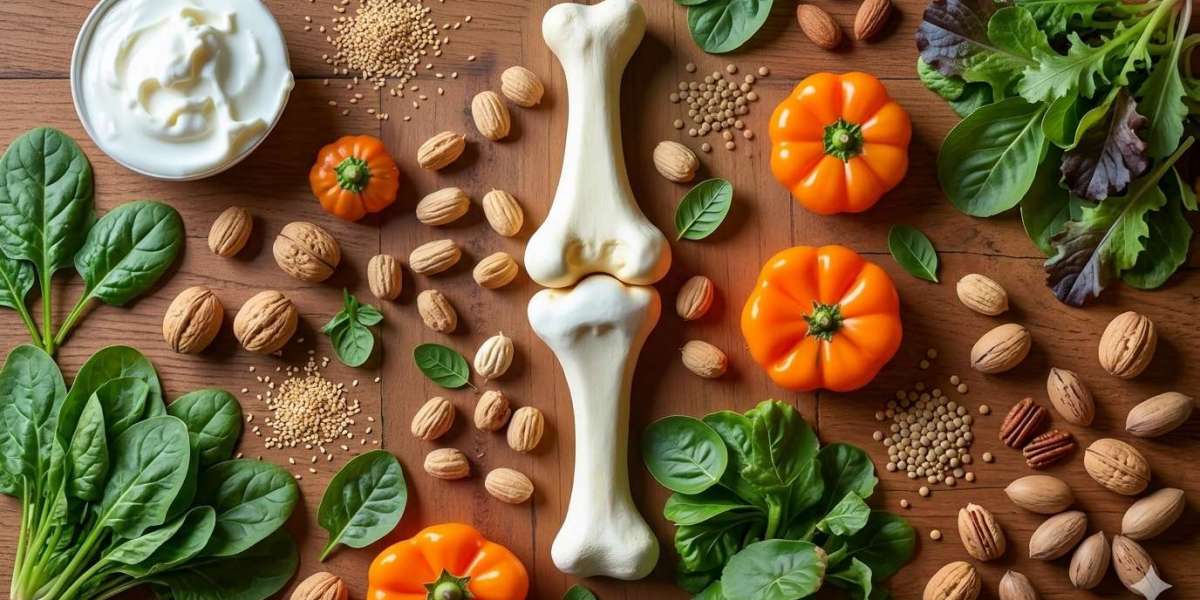

Living with joint pain can change the way you move, work, and even rest. Some days feel manageable, others feel heavier than usual. If you deal with rheumatoid arthritis, you already know how much inflammation can affect your body. Food may not replace treatment, but it can support how you feel each day.
Many people also wonder about joint conditions in general, especially when symptoms overlap. That is where understanding how osteoarthritis and rheumatoid arthritis Differ becomes important. One is mostly wear and tear over time, while the other involves the immune system attacking healthy joints. That difference shapes not only treatment, but also how your body responds to certain foods.
Why inflammation matters more than you think
Inflammation is not always bad. Your body uses it to heal injuries and fight infections. The problem starts when inflammation stays active for too long.
In rheumatoid arthritis, the immune system stays switched on. It targets the joints, leading to swelling, stiffness, and pain. Over time, this can affect mobility and daily comfort.
Food choices can influence this process. Some foods calm inflammation, while others can make it worse. When you adjust what you eat, you may notice small but meaningful changes in how your joints feel.
What makes a food anti-inflammatory
You do not need a complicated diet plan. Anti-inflammatory foods are often simple, whole, and easy to find. They usually contain antioxidants, healthy fats, and nutrients that support your immune system.
Think of foods that are fresh rather than processed. Colorful fruits, leafy greens, nuts, and certain oils all fall into this category. These foods help reduce the signals in your body that trigger inflammation.
On the other hand, highly processed foods, sugary snacks, and fried items can increase inflammation. It is not about cutting everything out at once, but about making steady changes that your body can adapt to.
Fatty fish and omega 3 support for joint relief
Fish like salmon, sardines, and mackerel are rich in omega 3 fatty acids. These fats help reduce inflammation in the body.
If you include fatty fish in your meals a few times a week, you may notice less joint stiffness over time. Omega 3s can also support heart health, which is important since rheumatoid arthritis can increase cardiovascular risk.
If you do not eat fish, you can look at alternatives like flaxseeds or walnuts. They also contain helpful fats, though in slightly different forms.
Leafy greens that quietly support your joints
Spinach, kale, and other leafy greens often do more than we give them credit for. They are packed with vitamins, minerals, and antioxidants that help protect your cells.
These foods work gently in the background. They reduce oxidative stress, which is closely linked to inflammation. Adding a handful of greens to your meals each day can support long-term joint health.
You do not need to overthink it. A simple salad, a smoothie, or even cooked greens with your main meal can make a difference.
Berries and their natural anti-inflammatory effect
Berries like blueberries, strawberries, and raspberries contain compounds called anthocyanins. These compounds help lower inflammation and protect your body at a cellular level.
They also add natural sweetness without causing sharp spikes in blood sugar. That matters because stable blood sugar levels can support overall inflammation control.
You can enjoy berries as a snack, mix them into yogurt, or add them to breakfast. Small additions like this can build up over time.
Healthy oils that replace harmful fats
Not all fats are equal. Some fats increase inflammation, while others help reduce it.
Olive oil is one of the best choices for an anti-inflammatory diet. It contains compounds that work in a similar way to mild anti-inflammatory medications. Using it for cooking or as a dressing can be a simple switch with real benefits.
At the same time, it helps to reduce intake of trans fats and heavily processed oils. These are often found in packaged snacks and fast food, and they can worsen joint symptoms.
Nuts and seeds for daily support
Almonds, walnuts, chia seeds, and flaxseeds are small but powerful. They provide healthy fats, fiber, and protein.
These foods can help manage inflammation and support overall energy levels. Since rheumatoid arthritis can sometimes lead to fatigue, balanced nutrition becomes even more important.
A small handful a day is enough. You do not need large portions to see benefits.
Spices that do more than add flavor
Some of the most effective anti-inflammatory foods are already in your kitchen.
Turmeric, for example, contains curcumin, which has strong anti-inflammatory properties. Ginger also helps reduce inflammation and may ease joint discomfort.
Adding these spices to your meals regularly can support your overall diet. It is a simple habit that fits easily into everyday cooking.
Foods that may trigger inflammation
While adding helpful foods matters, it also helps to be aware of what might trigger symptoms.
Highly processed foods, sugary drinks, and excessive red meat can increase inflammation. For some people, dairy or gluten may also cause discomfort, though this varies from person to person.
You do not need to remove everything at once. Start by noticing how your body reacts. Small changes can lead to clearer patterns over time.
How diet fits into a larger treatment plan
Food alone cannot treat rheumatoid arthritis, but it can support your overall care. Medication, physical activity, and regular checkups all play a role.
When you combine these with an anti-inflammatory diet, you create a more balanced approach. You may find that your body responds better to treatment and that flare-ups feel less intense.
It is also important to stay consistent. Quick changes rarely bring lasting results. Instead, focus on habits that you can maintain over time.
Living with joint pain, finding what works for you
Every person’s experience with rheumatoid arthritis is different. What works for one person may not work the same way for someone else.
That is why it helps to stay flexible and open to small adjustments. You might try new foods, track your symptoms, and see what feels right for your body.
Over time, these choices become part of your routine. They stop feeling like restrictions and start feeling like support.
Final thoughts
Managing rheumatoid arthritis is not just about reducing pain, it is about improving how you live each day. Food can play a quiet but meaningful role in that process. When you choose anti-inflammatory options, you support your body in ways that build up over time.
If you are looking for more ways to manage your condition or explore new treatment options, research studies can offer valuable opportunities. Lucida Clinical Research focuses on connecting patients with advanced care options and ongoing studies designed to improve outcomes for people living with arthritis. If you are ready to take a step further, you can participate in ongoing arthritis studies at Lucida Clinical Research and explore new possibilities for better joint health.