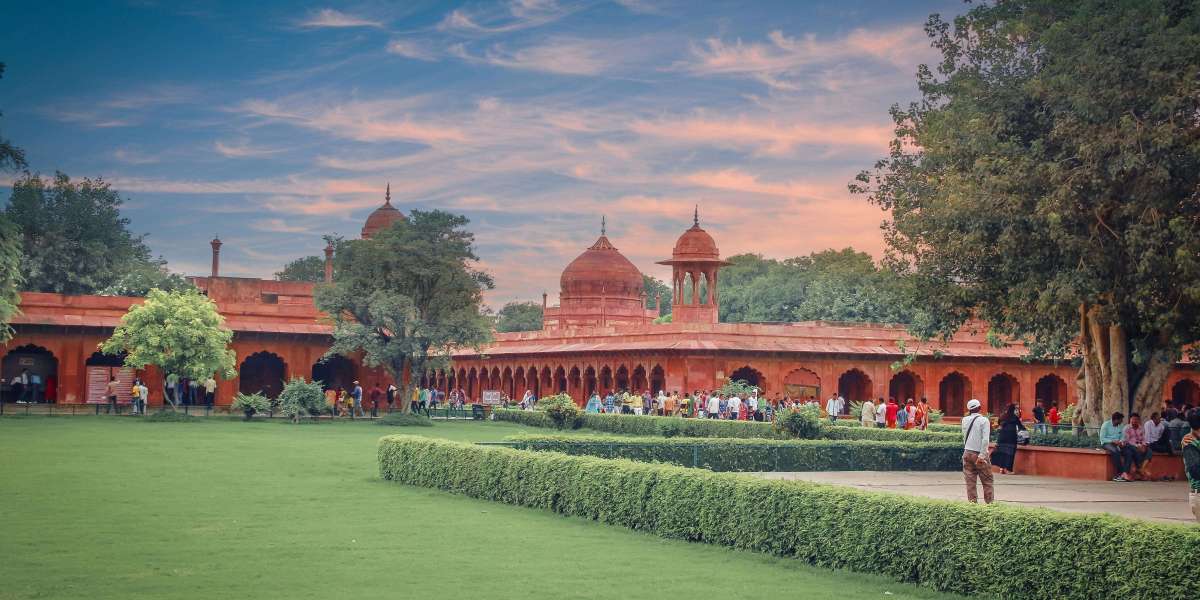

Things to do in Delhi India New Delhi is the capital of India and one of the most visited cities in Asia, but for American travelers who choose to travel to new delhi india for the first time, it can feel like an overwhelming amount to take in before you even get on the plane. The planning process involves visas, vaccinations, currency, safety, transport, and a dozen other things that do not come up on a typical trip to Europe or Mexico. This guide to travel to new delhi india covers all the practical foundations so you can walk off the plane with confidence and spend your energy actually enjoying the city rather than figuring out logistics on the fly.
Visa and Entry Requirements for American Travelers Explained
American citizens need a visa to enter India and cannot get one on arrival. The most practical option is the Indian e-Visa, which you apply for entirely online through the official Indian government e-Visa portal at indianvisaonline.gov.in. For tourism, the e-Tourist Visa is available in 30-day, one-year, and five-year options. The 30-day double-entry visa costs around 25 dollars and is sufficient for most first-time visitors. Processing typically takes two to four business days, so apply at least a week before your departure. You will need a valid passport with at least six months of validity beyond your travel dates, a recent passport-size photo in digital format, and a scanned copy of the bio-data page of your passport. Once approved, you receive the visa by email, print it out, and present it along with your passport at immigration on arrival when you travel to new delhi india.
Best Neighborhoods to Stay in as a First Timer
Where you base yourself in New Delhi makes a meaningful difference to how the city feels. Connaught Place is the most central and practical option for first-time visitors. It is right on the metro at Rajiv Chowk station, surrounded by restaurants and shops at every price point, and easy to navigate. Hotels here range from budget guesthouses to five-star properties. Paharganj near New Delhi Railway Station is the traditional budget traveler hub and is very affordable, though it can feel chaotic and is not to everyone's taste. For a more upscale and residential experience, South Delhi neighborhoods like Greater Kailash, Defence Colony, and the areas around Hauz Khas are excellent choices with great dining nearby, though they are farther from Old Delhi sights. Aerocity near the international airport is a clean and modern option that works well if you have an early departure or late arrival.
Getting Around Using the Efficient Delhi Metro System
The Delhi Metro is the backbone of getting around the city and it is a genuinely impressive system. It covers most major tourist destinations, runs from around 5:30 AM to 11 PM daily, and is clean, air-conditioned, and easy to use. Signs, announcements, and maps are all in English alongside Hindi, so navigation is straightforward even for first-timers. Single journey tokens can be bought at any station or you can get a tourist card offering unlimited rides for one day at 200 rupees or three days at 500 rupees. The Yellow Line is particularly useful, running through Connaught Place, Chandni Chowk, and the HUDA City Centre area. For auto-rickshaw rides between the metro and your destination, always agree on a price before getting in or ask the driver to use the meter. Uber and Ola work reliably throughout Delhi for longer point-to-point trips.
What to Pack for Comfort in Delhi's Climate
Packing for Delhi depends heavily on when you are visiting. From October through February, bring light layers for warm days and something warmer for cool evenings, since January nights in Delhi can drop to around 40 degrees Fahrenheit. A light down jacket or fleece is useful for this period. From March onward, the heat builds quickly and you will want lightweight, breathable fabrics like cotton and linen. Regardless of season, pack a scarf or shawl for temple and mosque visits, comfortable walking shoes, sunscreen, a hat, and insect repellent with DEET. A power adapter for Indian outlets is essential since plugs are different from American sockets. Carry hand sanitizer and a refillable water bottle with a filter. Any prescription medications you take should come with you in sufficient quantity since some brands may not be available in India.
Safety Tips Every Solo Traveler Should Know First
Delhi is a safe city for tourists by most reasonable measures, but a few practical habits make a big difference. Use Uber or Ola rather than unmarked taxis, particularly at the airport and train stations where overcharging is very common. At major tourist sites, be cautious of anyone who approaches offering unsolicited help or a "special price" since these interactions often lead to high-pressure shopping situations. Keep a digital copy of your passport, visa, and travel insurance in your email so you can access them anywhere. Use a crossbody bag or keep your phone and wallet in a front pocket in crowded areas like Chandni Chowk. The U.S. Embassy is located in the Chanakyapuri diplomatic enclave and is available for emergency consular assistance. Registering your trip through the State Department's Smart Traveler Enrollment Program before you leave is a simple step that is worth doing.
Must Try Foods You Cannot Leave Delhi Without Eating
Delhi's food is one of the strongest reasons to visit and there are dishes here that you genuinely cannot get anywhere else in the world at this level. Butter chicken, which was invented at Moti Mahal restaurant in Daryaganj in the 1950s, tastes completely different here than the versions you have had back home. Dal makhani, a slow-cooked black lentil dish, is a North Indian staple that Delhi does better than anywhere. The street food scene in Chandni Chowk includes Old Famous Jalebi Wala, in business since 1884, and the stuffed flatbreads of Paranthe Wali Gali that have been made in the same alley for generations. Near Jama Masjid, the seekh kebabs and nihari at the old street stalls are extraordinary. Karim's restaurant, operating since 1913, is a must for Mughlai food. This is the kind of eating that people consistently say was the best things to do in Delhi India adjacent experience of their whole trip.
Day Trips Worth Taking From New Delhi by Train
New Delhi's location makes it one of the best bases for day trips in all of India. Agra, home to the Taj Mahal and Agra Fort, is reachable in about two hours on the Gatimaan or Shatabdi Express and is the most popular day trip from the city. Jaipur, the Pink City of Rajasthan, is about five hours by train and makes for a long but rewarding day trip, though an overnight stay is better if your schedule allows. Mathura, the birthplace of Lord Krishna, is about two hours by road and makes for a half-day trip that gives you a completely different, pilgrimage-town experience from Delhi. Rishikesh, the yoga capital of India, is about six hours north and is better suited to at least an overnight trip. All of these destinations are bookable through IRCTC or third-party train booking platforms, and most tickets cost well under 20 dollars each way. https://www.travelosei.com/india/cultural/north/delhi
Frequently Asked Questions
How long before my trip should I apply for an Indian e-Visa?
Apply at least one week before your departure date, though two weeks is more comfortable. The standard processing time is two to four business days, but occasional delays do happen. Do not leave it until the last minute since the visa must be approved before you board your flight.
Is it easy to use a credit card in New Delhi?
Yes, credit cards are accepted at most hotels, established restaurants, and larger shops. However, cash is essential for street food, auto-rickshaws, markets, and smaller businesses. Notify your bank before you travel to avoid having your card blocked. ATMs are widely available throughout Delhi.
What vaccinations do I need for travel to New Delhi India?
The CDC recommends hepatitis A and typhoid vaccines for most travelers to India, along with being up to date on routine vaccinations. Depending on your itinerary, your doctor may also suggest hepatitis B and rabies vaccines. Consult a travel health clinic at least four to six weeks before your departure.
How expensive is Delhi compared to American cities?
Delhi is very affordable by American standards. A good meal at a mid-range restaurant costs between 3 and 8 dollars. Metro rides cost under a dollar. Entry fees for major monuments are under 10 dollars each. Budget travelers can live well on 30 to 40 dollars a day including accommodation, food, and sightseeing.
Do I need to tip in restaurants and hotels in Delhi?
Tipping is not as standardized as in the U.S. At restaurants, 5 to 10 percent is appreciated but not mandatory. For guides and drivers, tipping is common and expected. Hotel housekeeping tips of 100 to 200 rupees per day are standard. Rounding up the fare for auto-rickshaws is a common courtesy though not required.