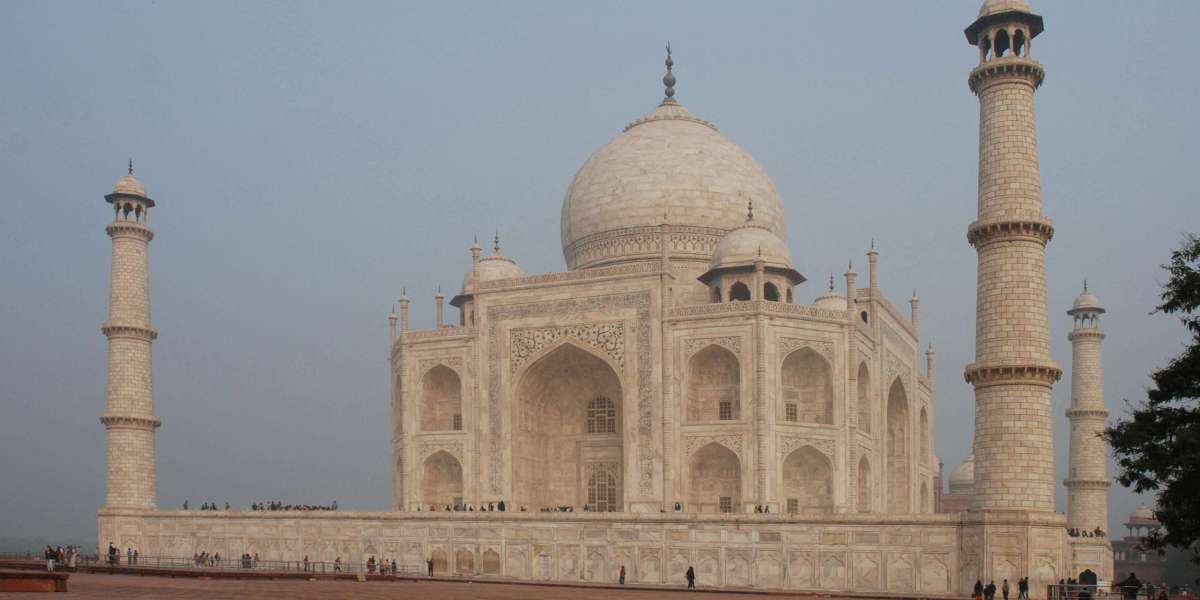

Where is the taj Mahal Everything you need to experience the Taj Mahal in India properly as an American traveler comes down to preparation, timing, and the willingness to spend enough time there to let the experience fully reveal itself. This is not a monument where a quick look from the garden and a selfie at the reflecting pool represents the full experience.
History and Significance of the Taj Mahal in India
The Taj Mahal in India was built by Mughal Emperor Shah Jahan between approximately 1632 and 1653 as a mausoleum for his beloved wife Mumtaz Mahal, who died in 1631. The Mughal dynasty ruled much of the Indian subcontinent from 1526 to 1857, and Shah Jahan's reign is considered the artistic and architectural peak of the dynasty's history in India.
The significance of the Taj Mahal in India extends beyond its personal love story and its architectural achievement. It represents a specific historical moment when the resources, talent, and personal motivation of one of Asia's most powerful empires were directed toward creating something of unprecedented beauty. The result has been recognized across cultures and centuries as one of humanity's greatest creative achievements.
The monument was declared a UNESCO World Heritage Site in 1983 and named one of the New Seven Wonders of the World in 2007. It receives over seven million visitors annually, making it one of the most visited heritage sites in the world.
Best Time to Visit the Taj Mahal in India
The best time to visit the Taj Mahal in India is between October and March during India's cool dry season. Temperatures during this period range from approximately 10 to 28 degrees Celsius, providing comfortable outdoor conditions. The white Makrana marble shows at its most spectacular under the clear blue skies of this season.
November through February is the core peak season when most international visitors arrive and conditions are most consistently excellent. December and January sometimes bring atmospheric morning fog along the Yamuna River that creates memorable soft light conditions at the monument.
October and March are smart shoulder season choices with excellent conditions at lower visitor density and more competitive accommodation pricing than the December and January peak. Summer from April through June brings extreme Agra heat regularly exceeding 40 degrees Celsius. The monsoon from July through September brings welcome cooling with frequent heavy rain.
Best Things to See at the Taj Mahal in India
A complete experience of the Taj Mahal in India requires thorough exploration of the full complex rather than focusing only on the main reflecting pool viewpoint. The Great Gate frames the first view of the mausoleum in a carefully composed design sequence. Walking the full length of the central reflecting pool toward the mausoleum platform provides gradually changing perspectives on the structure.
Close examination of the parchin kari inlay work on the marble surfaces at the mausoleum base level reveals extraordinary craftsmanship that distance views cannot capture. The interior chamber with the cenotaphs of Mumtaz Mahal and Shah Jahan provides access to the spiritual heart of the monument. The rear Yamuna River terrace provides a completely different and less commonly seen perspective on the structure.
Both flanking red sandstone buildings, the mosque and the guesthouse, are architecturally significant and reward exploration. The Agra Fort approximately two kilometers away and Mehtab Bagh garden across the river are both essential complementary experiences.
How to Get to the Taj Mahal in India
Getting to the Taj Mahal in India from New Delhi is most efficiently done by the Gatimaan Express train from Hazrat Nizamuddin station, covering the approximately 230-kilometer route in one hour and thirty-five minutes. The Shatabdi Express provides an alternative in approximately two hours. Both should be booked through the IRCTC website well in advance.
Driving by hired car from Delhi on the Yamuna Expressway takes approximately three to four hours. This option is popular for travelers who want to include stops at Mathura and Vrindavan along the route.
From Agra Cantonment railway station where trains arrive, the Taj Mahal in India entrance is approximately five kilometers by taxi or auto-rickshaw. The roads immediately adjacent to the monument are restricted to motor vehicles, requiring the final approach on foot or by battery-powered vehicle from designated drop-off points.
Best Places to Stay Near the Taj Mahal in India
Accommodation near the Taj Mahal in India spans every budget tier. The Oberoi Amarvilas at approximately 600 meters from the main entrance is the most celebrated luxury option, with rooms and suites designed to provide Taj Mahal views from private terraces. This property consistently ranks among the finest hotel experiences in Asia.
Mid-range options including the ITC Mughal Resort and various international brand hotels including Trident Agra and Courtyard by Marriott provide comfortable facilities with good logistics for early morning monument visits at more moderate prices.
Budget travelers find clean and comfortable guesthouses in the Tajganj neighborhood immediately south of the monument. Several properties offer rooftop terraces with partial monument views at very accessible prices. Staying overnight in Agra rather than day-tripping from Delhi is strongly recommended for experiencing the monument in the best light conditions.
Common Mistakes at the Taj Mahal in India
Not arriving early enough is the single most impactful mistake visitors make at the Taj Mahal in India. The period between 10 AM and 2 PM represents both peak visitor density and the least flattering overhead light. Arriving at opening time of thirty minutes before sunrise provides dramatically superior conditions for both experiencing and photographing the monument.
Not verifying the Friday closure before planning the Agra visit is a specific oversight that repeatedly disrupts visitor plans. The Taj Mahal in India is closed to general visitors on Fridays. Checking the day of week before finalizing travel dates is a simple step that prevents this frustration.
Not allocating enough time within the complex prevents proper appreciation of the flanking buildings, interior chamber, rear terrace, and close-up inlay work. Budget three to four hours minimum.
Best Tips for Visiting the Taj Mahal in India
Staying overnight in Agra and visiting at sunrise is the most consistently recommended approach to experiencing the Taj Mahal in India at its best. Early morning light, thinner crowds, and the peaceful atmosphere before the daily tour groups arrive from Delhi combine to produce the most memorable version of the experience.
Hire a licensed Archaeological Survey of India guide at the official counter near the entrance. The historical and architectural context a knowledgeable guide provides transforms the experience from visually impressive to genuinely meaningful. Avoid unlicensed guides who approach visitors outside the entrance gates.
Purchase entry tickets online through the Archaeological Survey of India website before arriving at where is the Taj Mahal to avoid queue time during peak season. Carry your passport or government-issued photo identification as it is required for foreign visitor entry. https://www.travelosei.com/hello-india/where-is-the-taj-mahal
FAQs
What is the entry fee for the Taj Mahal in India?
The current entry fee for foreign visitors is 1,100 Indian Rupees, approximately $13 to $14 US dollars. Children under fifteen are admitted free. A separate additional charge applies for entry to the main mausoleum interior. The entry ticket includes shoe covers and a water bottle.
Is the Taj Mahal in India suitable for families with children?
Yes. The monument is appropriate for family visits and children under fifteen are admitted free. The historical story engages older children and teenagers. The complex involves considerable outdoor walking that is manageable for most family groups with appropriate pacing.
How long should I stay in Agra for a complete Taj Mahal in India visit?
One full day covers the Taj Mahal and Agra Fort. Two days adds Fatehpur Sikri and allows a relaxed pace. Three days allows a complete exploration including Mehtab Bagh at sunset, the Tomb of Itmad-ud-Daulah, and the old city areas.
Can I visit the Taj Mahal in India during Indian national holidays?
The Taj Mahal is generally open on Indian national holidays. These holidays sometimes generate increased domestic visitor numbers. Checking the Archaeological Survey of India website for any special closure announcements before travel dates is always worthwhile.
What language do guides speak at the Taj Mahal in India?
Licensed Archaeological Survey of India guides are available in English and several other languages. English-speaking licensed guides are readily available at the official guide counter near the entrance. Confirming language availability when arranging a guide is straightforward and English is always available given the monument's international visitor population.