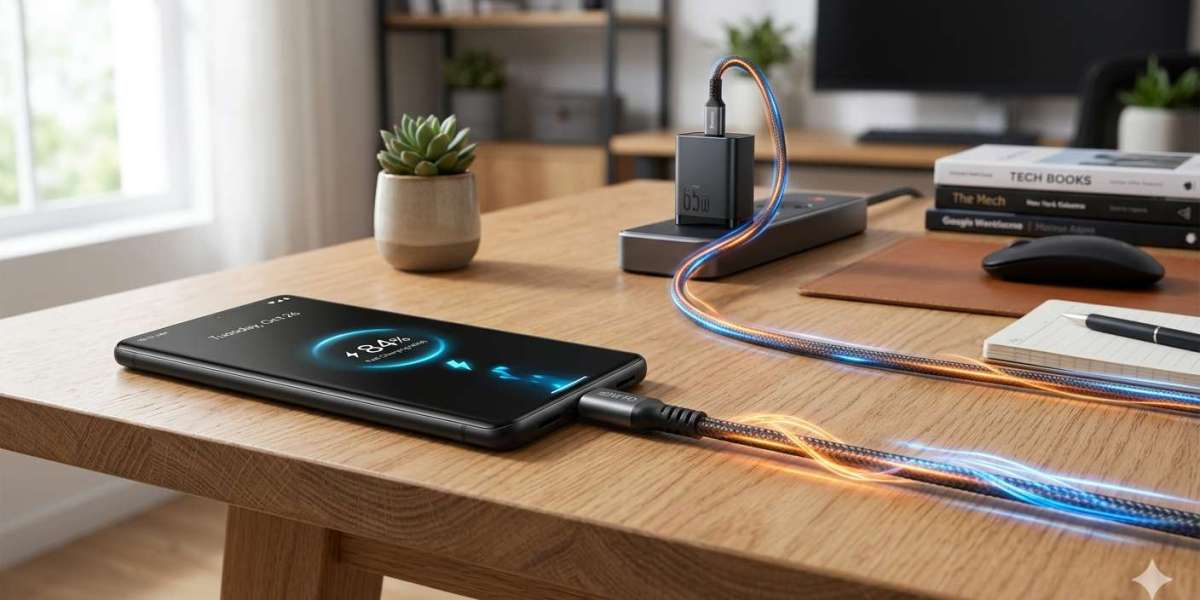

In today’s fast-paced digital world, smartphones, tablets, and other portable devices have become essential tools for communication, work, and entertainment. As technology evolves, devices are becoming more powerful, but they also require efficient power solutions to keep them running throughout the day. This is where a fast charging cable plays an important role.
A fast charging cable is designed to deliver higher electrical power to compatible devices, allowing batteries to charge significantly faster than with standard charging cables. Whether you are a professional who relies on your phone for work, a traveler who needs quick charging on the go, or simply someone who dislikes waiting for hours for a device to recharge, using the right fast charging cable can make a big difference.
This article explains what a fast charging cable is, how it works, its benefits, the different types available, and tips for choosing the best option for your needs.
What Is a Fast Charging Cable
A fast charging cable is a specialized charging cable designed to transfer higher current and power from a charger to a device. Unlike standard cables, fast charging cables support advanced charging technologies that allow devices to charge at a much faster rate.
Most modern smartphones and gadgets support fast charging technologies such as USB Power Delivery (USB-PD), Quick Charge, and other proprietary charging systems. However, to benefit from these technologies, users must have three components:
A compatible device
A fast charger adapter
A fast charging cable
If any one of these components does not support fast charging, the charging speed may be reduced to standard levels.
How Fast Charging Cables Work
Fast charging works by increasing the power transferred from the charger to the device. Power is calculated using the formula:
Power (Watts) = Voltage (V) × Current (A)
Standard charging cables typically support lower current levels, while fast charging cables are built to handle higher current and power levels safely.
Fast charging cables include:
Thicker internal wires to carry higher electrical current
Better insulation to prevent overheating
Smart chips in some cables to regulate power delivery
These features allow the cable to transmit energy more efficiently and safely.
Key Benefits of Using a Fast Charging Cable
1. Faster Charging Time
The most obvious advantage of a fast charging cable is reduced charging time. A device that might normally take three hours to charge can often reach full battery in about one hour with a fast charging setup.
2. Convenience for Busy Lifestyles
People rely on their devices for work, navigation, communication, and entertainment. A fast charging cable ensures your device can quickly regain battery power when you have limited time.
3. Better Compatibility With Modern Devices
Most modern smartphones, tablets, and accessories support fast charging technology. Using the right cable allows users to take full advantage of these features.
4. Improved Charging Efficiency
Fast charging cables are designed with advanced materials that allow power to transfer efficiently with minimal energy loss.
5. Reliable Data Transfer
Many fast charging cables also support high-speed data transfer. This means you can quickly charge your device while transferring files, photos, or videos.
Types of Fast Charging Cables
Different devices use different charging ports. Choosing the correct cable is essential for proper fast charging performance.
USB-C to USB-C Cable
USB-C cables are widely used in modern smartphones, tablets, and laptops. They support USB Power Delivery and can deliver very high charging speeds.
USB-C cables are commonly used for:
Android smartphones
Tablets
Laptops
Gaming devices
They are also reversible, meaning they can be plugged in either direction.
USB-A to USB-C Cable
This type of cable connects a traditional USB-A charger to a USB-C device. It supports fast charging for many smartphones but may not provide the maximum speed supported by USB-C to USB-C cables.
Lightning Fast Charging Cable
Lightning cables are used for Apple devices such as iPhones and iPads. When paired with a compatible charger, they support fast charging technology for Apple products.
Micro USB Fast Charging Cable
Although gradually being replaced by USB-C, Micro USB cables are still used for many devices including:
Older smartphones
Bluetooth speakers
Power banks
Cameras
Some Micro USB cables also support fast charging.
Important Features to Look for in a Fast Charging Cable
When buying a fast charging cable, there are several factors to consider to ensure you get the best performance and durability.
Cable Length
Fast charging cables come in various lengths, usually ranging from 0.5 meters to 2 meters. Shorter cables often provide slightly faster charging due to lower resistance.
Build Quality
Look for cables made with durable materials such as:
Nylon braided cables
Reinforced connectors
High quality copper wiring
These materials increase durability and prevent damage from bending or pulling.
Power Rating
Not all cables support the same charging speed. Some cables support 18W charging, while others support 60W or even 100W power delivery.
Always check the power rating to ensure it matches your device and charger.
Safety Features
A good fast charging cable should include built-in safety protections such as:
Overcurrent protection
Overvoltage protection
Temperature control
These features protect both the device and the user.
Common Fast Charging Technologies
Several fast charging technologies are commonly used in smartphones and devices.
USB Power Delivery
USB Power Delivery (USB-PD) is a universal fast charging standard that supports high power delivery for smartphones, tablets, and laptops.
Quick Charge
Quick Charge technology is commonly used in many Android devices and allows faster charging by increasing voltage levels.
Adaptive Fast Charging
Some smartphone brands use their own fast charging systems designed specifically for their devices.
Understanding your device’s charging technology helps you choose the right cable.
Signs You Need a New Fast Charging Cable
A fast charging cable can wear out over time. Here are some signs that it may need to be replaced:
Charging speed has become noticeably slower
The cable becomes hot during charging
Visible damage such as frayed wires
The device disconnects frequently while charging
Using a damaged cable can affect charging performance and may even pose safety risks.
Tips for Maintaining Your Fast Charging Cable
Proper care can extend the lifespan of your cable.
Avoid bending the cable sharply near the connector.
Unplug the cable by holding the connector instead of pulling the wire.
Keep cables away from heat and moisture.
Store cables properly when not in use.
Taking these simple steps can prevent damage and maintain charging efficiency.
Where to Buy Reliable Fast Chargers and Cables
Finding high quality charging accessories is important for safe and efficient device charging. If you are looking for reliable fast chargers and compatible cables, you can explore a wide range of products online. A trusted option is the fast charger collection available at Dudao Pakistan. They offer a variety of charging solutions designed for modern smartphones and devices. To explore the available options and learn more about fast charging accessories, click here.
Conclusion
Fast charging technology has transformed the way people power their devices. A fast charging cable is a crucial component that allows users to benefit from rapid charging speeds and efficient energy transfer. Whether you use a smartphone for work, entertainment, or daily communication, having the right charging cable can significantly improve your experience.
When choosing a fast charging cable, it is important to consider compatibility, build quality, power rating, and safety features. Investing in a high quality cable ensures reliable performance and protects your device from potential charging issues.
As mobile technology continues to evolve, fast charging cables will remain an essential accessory for anyone who wants to keep their devices powered quickly and efficiently.