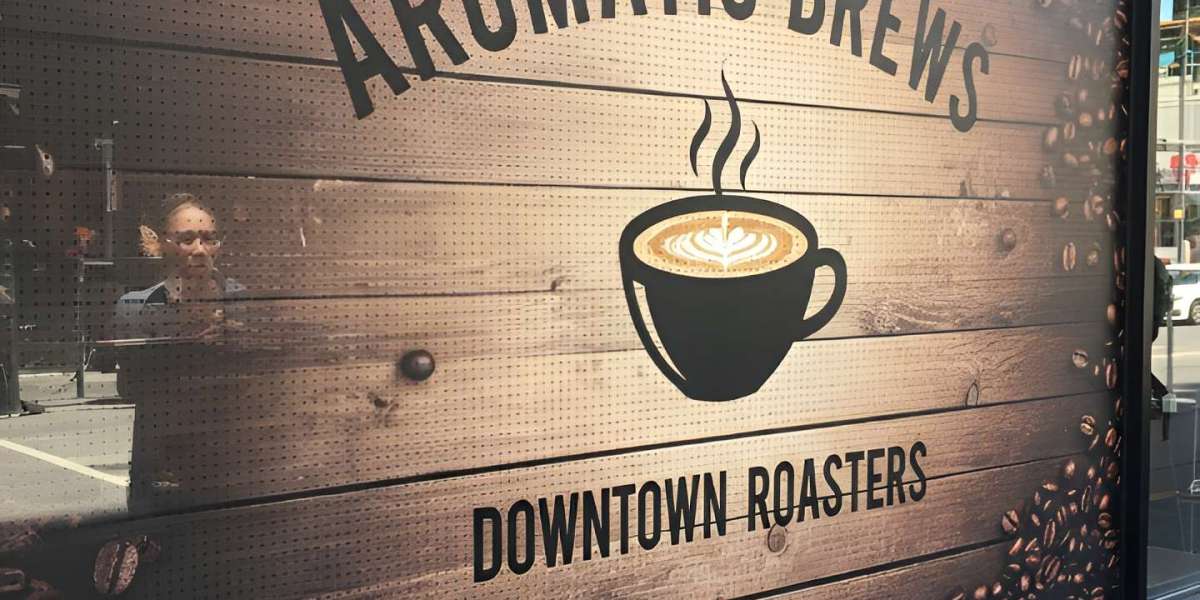

If you’ve walked past a storefront or a branded van in Tucson lately, you’ve likely seen high-vibrancy graphics covering the windows. From the outside, it looks like a solid wall of color or a detailed advertisement. But for those inside, the experience is completely different.
This technology, known as Window Perforation Tucson (or One-Way Vision Film), is often surrounded by myths and misconceptions. Whether you are a business owner or a car enthusiast, it's time to set the record straight on what this film can—and can't—do.
Myth #1: "It’s Like Looking Through a Solid Wall"
The Reality: Looking through window perforation from the inside is remarkably similar to looking through a standard window screen or a light window tint.
The film is manufactured with thousands of tiny, evenly spaced holes (perforations). Because the "glue side" (the side facing the interior) is usually black, your eyes naturally focus past the black mesh to the brighter light outside. This creates a clear, unobstructed view of the street, the parking lot, or the trail ahead.
Myth #2: "People Can See Me if I Turn the Lights On at Night"
The Reality: This is the most important "truth" about one-way vision film. The "one-way" effect is dictated by light balance, not magic.
The human eye (and the film) will always focus on the side with more light.
During the Day: The sun is much brighter than your interior lights, so people outside see the graphic, and you see out.
At Night: If your interior lights are bright and it is dark outside, the effect reverses. People on the sidewalk will be able to see into your shop or vehicle.
The Fix: For businesses, we recommend using timed exterior floodlights to keep the outside of the window brighter than the inside, preserving your privacy 24/7.
Myth #3: "It Makes the Interior Too Dark"
The Reality: While the film does reduce some light, it doesn't "black out" the room.
Most window perforation uses a 60/40 or 50/50 ratio (meaning 60% vinyl and 40% holes). This allows a generous amount of natural, filtered light to enter. In a high-heat environment like Window Perforation Tucson applications, this is actually a benefit. It reduces the harsh Arizona glare and keeps the interior significantly cooler without making it feel like a basement.
Myth #4: "The Rain Will Ruin the Visibility"
The Reality: Only if the film isn't laminated.
When it rains (or during a heavy Tucson monsoon), water droplets can get trapped in the tiny holes of the perforation. This creates a "distorted lens" effect that makes it very difficult to see out.
The Solution: At Wrapp Starr, we always recommend an optically clear laminate. This thin, clear layer seals the holes, allowing water to shed right off the surface so your visibility stays crystal clear even in a downpour.
Myth #5: "It Will Damage My Window Tint or Defroster Lines"
The Reality: Window perforation is applied to the exterior of the glass.
Because it lives on the outside, it has zero contact with your interior window tint or the delicate heating elements of your rear defroster. In fact, by blocking UV rays from the outside, the film actually helps protect your interior plastics and upholstery from sun damage.
Conclusion: Seeing is Believing
Window perforation is the ultimate "have your cake and eat it too" solution for branding. It provides a massive canvas for your message while maintaining the safety and comfort of a clear view. By understanding how light and lamination work, you can use this tech to transform your vehicle or storefront into a private, cool, and highly visible landmark.