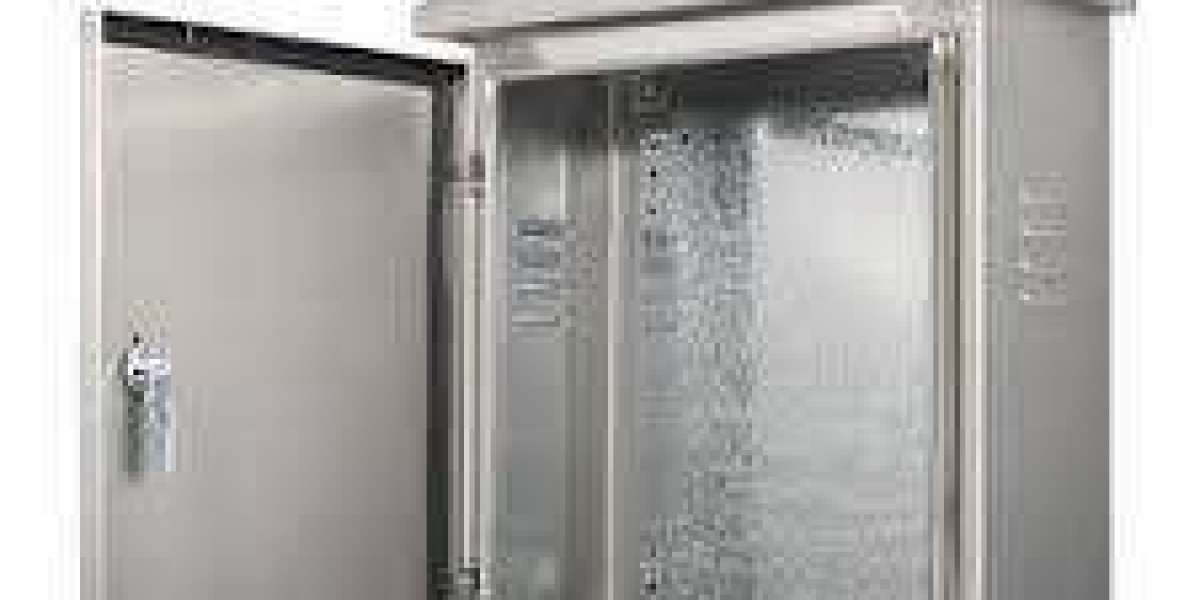

Choosing the correct enclosure at the design stage can prevent costly failures later because a correctly sealed Weatherproof db box placed in the center of an installation protects sensitive circuits from water, dust, and corrosive atmospheres. In many projects the most overlooked decision is the enclosure itself, and a poorly specified Weatherproof db box can create maintenance headaches, safety risks, and unexpected downtime that ripple across operations.
Ratings, standards, and what they actually mean
Understanding IP and NEMA designations helps translate manufacturer claims into real-world expectations. IP ratings provide two-digit guidance — the first digit for solids and the second for liquids — while NEMA covers broader environmental factors such as corrosion and icing. For outdoor power distribution, choose enclosures with protection levels that match the site conditions: salt-laden coastal air, pressure-wash food plants, or dusty mining camps each demand different thresholds. Beyond ingress protection, check for UV resistance, impact strength, and any local electrical standards that may influence finish and grounding requirements.
Material selection and construction techniques
Material choices — from polycarbonate and fiberglass to stainless steel and aluminum — shape long-term performance. Fiberglass-reinforced polyester offers corrosion resistance and electrical insulation, but stainless steel stands up better to mechanical abuse and extreme temperatures. Pay attention to the details: gasketing profiles, seam weld quality, hinge robustness, and fastener metallurgy all contribute to whether a box remains sealed under vibration or thermal cycling. A well-engineered enclosure will also have replaceable seals and captive fasteners to simplify future maintenance without degrading protection.
Thermal management and internal layout
Heat is the silent enemy inside compact enclosures. Even modest loads generate heat that raises internal temperatures and stresses insulation and electronic components. Consider convection paths, dedicated heat sinks, and if needed, filtered ventilation or small, thermostatically controlled fans. Where cooling is limited, move heat-generating components to external radiators or adopt low-power alternatives. Properly planned cable entry and DIN-rail layouts make wiring tidy and reduce hotspots caused by overcrowded terminations, improving both safety and serviceability.
Sealing, cable entries, and practical installation tips (Schneider compatibility)
Cable entry systems are a frequent source of leaks if glands are mismatched or installed improperly. Use cable glands sized for the conductor and jacket diameter, and choose gland materials compatible with environmental chemicals present on-site. For installations integrating control equipment from major suppliers like Schneider, verify that cutouts, mounting hole patterns, and internal clearances align with third-party modules to avoid improvised adapters. Always document gland torque values and gasket compression methods in the installation sheet so future technicians preserve the original protection level.
Security, accessibility, and vandal resistance
Outdoor or publicly accessible installations require physical security measures. Lockable doors, tamper-evident fasteners, and reinforced hinges deter unauthorized access and theft. At the same time, design for serviceability: provide swing-out panels, removable mounting plates, and labeled internal zones so authorized technicians can work safely without exposing live areas unnecessarily. Balancing security and access speeds repairs and reduces the temptation to force open sealed enclosures during urgent fixes.
Maintenance strategy and lifecycle planning
A proactive maintenance program extends enclosure life and prevents escalation of small issues. Schedule periodic inspection of gaskets, fasteners, and internal components; check for corrosion at joints and fatigue on hinges. Thermal imaging under load identifies loose connections before they cause failures. Keep spare seals and commonly replaced gland types in inventory to expedite field repairs. When planning upgrades, opt for modular internal components so functionality can be refreshed without replacing the entire box.
Designing for future-proofing and adaptability
Modern projects benefit from flexible enclosure designs that anticipate future expansion. Leave spare knockout sets, plan for additional DIN-rail space, and choose panels that accept add-on modules for communications, surge protection, or battery backup. This approach lowers total lifecycle cost and minimizes downtime during upgrades. Document internal wiring diagrams and maintain a revision history inside the enclosure so subsequent teams understand what changed and why.
A thoughtfully specified and installed electrical enclosure is more than a metal shell — it’s the first line of defense for the systems it protects. By aligning ratings, materials, thermal planning, and installation discipline with the actual site demands, teams can deliver long-term protection and lower operational risk. For product details and accessory options, visit https://www.nante.com