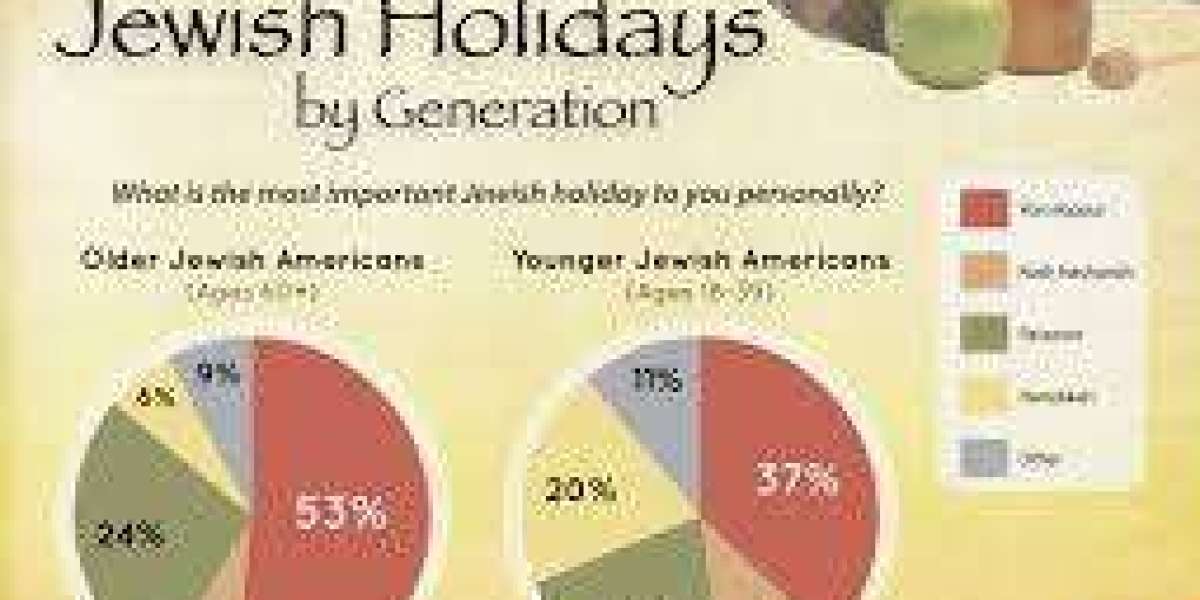

Jewish Holy Days are central to Jewish culture, faith, and communal life. They embody centuries of tradition, spiritual reflection, and historical significance. These sacred days are deeply rooted in the Torah, the Hebrew Bible, and rabbinic teachings, guiding Jewish communities worldwide in religious observance, family gatherings, and personal introspection. Understanding these holy days provides insight into the Jewish faith, the rhythms of Jewish life, and the values that have sustained Judaism through millennia.
Shabbat: The Weekly Sanctity
Shabbat, the Jewish Sabbath, is the cornerstone of Jewish holy days, observed weekly from Friday evening to Saturday evening. It commemorates God’s rest after the creation of the world, symbolizing a sacred pause in the cycle of life. Families light candles, recite blessings, and share festive meals, creating a rhythm of peace and spiritual rejuvenation. Shabbat is not just a day of rest but also a celebration of community, reflection, and gratitude. Synagogue services, Torah readings, and prayers strengthen the connection to Jewish heritage, while abstaining from work and electronic devices allows Jews to focus on family and spirituality. Shabbat observance varies between Orthodox, Conservative, and Reform communities, yet all share the essence of holiness, rest, and communal joy.
Rosh Hashanah: The Jewish New Year
Rosh Hashanah, the Jewish New Year, marks the beginning of the High Holy Days. Celebrated on the first two days of the Hebrew month of Tishrei, it is a time of introspection, repentance, and renewal. Central themes include the sovereignty of God, the creation of the world, and the human responsibility to live a moral life. Traditions include sounding the shofar, a ram’s horn, to awaken the soul, and consuming symbolic foods such as apples dipped in honey for a sweet new year. Rosh Hashanah prayers often focus on reflection and self-improvement, emphasizing the importance of repairing relationships and seeking forgiveness. It is a festive yet solemn occasion, setting the spiritual tone for the upcoming Days of Awe.
Yom Kippur: The Day of Atonement
Yom Kippur, the holiest day in the Jewish calendar, follows Rosh Hashanah and focuses on repentance, atonement, and reconciliation with God. Observed on the 10th of Tishrei, it is a day of fasting, prayer, and introspection. Jews seek forgiveness for sins committed against both God and fellow human beings, emphasizing moral responsibility and spiritual purification. Services include the Kol Nidre prayer, recited on the eve of Yom Kippur, and multiple synagogue prayers throughout the day. The fast, lasting approximately 25 hours, fosters humility, self-discipline, and empathy for those less fortunate. Yom Kippur concludes with the Ne’ilah service, marking the closing of the gates of heaven, and is followed by the breaking of the fast with family and community meals.
Sukkot: The Festival of Booths
Sukkot, celebrated five days after Yom Kippur, is a week-long harvest festival that commemorates the Israelites’ journey in the desert. During this period, Jewish families build temporary shelters called sukkahs, symbolizing the fragility and transience of life. Meals, prayers, and celebrations occur inside the sukkah, fostering gratitude and connection to God’s providence. The festival emphasizes joy, hospitality, and community, as guests are often invited to share in the meals. Rituals include the waving of the four species—etrog, lulav, hadas, and aravah—which represent unity and diversity within the Jewish community. Sukkot bridges spiritual reflection with celebration, linking historical memory with contemporary practice.
Simchat Torah: Rejoicing in the Torah
Simchat Torah, immediately following Sukkot, celebrates the conclusion and recommencement of the annual Torah reading cycle. Jewish communities gather in synagogues for joyous processions, singing, and dancing with Torah scrolls. This festival highlights the centrality of Torah in Jewish life, the continuity of tradition, and the joy of learning. Children often participate by carrying smaller Torah scrolls, emphasizing the importance of passing on Jewish teachings to the next generation. The day combines communal festivity with spiritual reflection, reinforcing the bond between Jewish people and their sacred texts.
Hanukkah: The Festival of Lights
Hanukkah, the eight-day festival of lights, commemorates the rededication of the Second Temple in Jerusalem following the Maccabean Revolt. Central to the celebration is the lighting of the menorah, adding one candle each night to symbolize hope, resilience, and divine intervention. Hanukkah traditions include playing the dreidel, giving gifts, and eating foods fried in oil, such as latkes and sufganiyot, reflecting the miracle of the temple’s oil that lasted eight days. While not biblically mandated, Hanukkah has become a significant cultural and religious celebration, especially in the Jewish diaspora, representing perseverance and faith in the face of adversity.
Purim: Celebration of Survival
Purim, a festive holiday, commemorates the salvation of the Jewish people from Haman’s plot as recorded in the Book of Esther. It is characterized by joyous celebrations, costume-wearing, feasting, and the reading of the Megillah (Book of Esther). Giving charity to the poor (matanot la’evyonim) and exchanging food gifts (mishloach manot) are central to Purim observances. Purim emphasizes courage, communal solidarity, and divine providence, turning a historical narrative of peril into a celebration of survival and resilience. Children and adults alike participate in parades and plays, making Purim a vibrant, immersive holiday that strengthens Jewish identity and communal bonds.
Passover: Commemorating Liberation
Passover (Pesach) is one of the most widely observed Jewish holidays, marking the liberation of the Israelites from slavery in Egypt. Central rituals include the Seder meal, during which the story of Exodus is recounted, and symbolic foods such as matzah, bitter herbs, and charoset are consumed. Passover emphasizes freedom, redemption, and gratitude for divine deliverance. Observing dietary restrictions, particularly avoiding leavened bread, reinforces collective memory and spiritual discipline. Passover serves as both a historical remembrance and a personal reflection on liberation, social justice, and the ongoing pursuit of moral and spiritual freedom.
Shavuot: Festival of Revelation
Shavuot, celebrated seven weeks after Passover, commemorates the giving of the Torah at Mount Sinai. It is both an agricultural festival, marking the wheat harvest, and a religious celebration, highlighting the covenant between God and the Jewish people. Customs include studying Torah throughout the night, reading the Book of Ruth, and consuming dairy foods. Shavuot emphasizes learning, devotion, and spiritual renewal, reinforcing the enduring relevance of Torah in guiding ethical and religious life. The holiday fosters a connection between historical revelation and contemporary practice, inspiring reflection on moral responsibility and communal identity.
Tisha B’Av: Mourning and Reflection
Tisha B’Av is a solemn day of mourning, commemorating the destruction of the First and Second Temples in Jerusalem, along with other calamities in Jewish history. Observances include fasting, reading the Book of Lamentations, and refraining from pleasurable activities. Tisha B’Av encourages reflection on loss, resilience, and the enduring hope for redemption and restoration. It provides a spiritual counterbalance to the more joyous festivals, reminding Jewish communities of historical suffering and the importance of perseverance, faith, and moral integrity in the face of adversity.
Minor Holy Days and Modern Observances
In addition to the major Jewish festivals, numerous minor holy days are observed, including Rosh Chodesh (the new moon), Lag BaOmer, and Yom Ha’atzmaut (Israeli Independence Day). Each of these days carries unique rituals, historical significance, and opportunities for community gathering and reflection. Jewish communities also integrate modern observances, blending tradition with contemporary life to maintain cultural identity and spiritual continuity. These minor holy days contribute to the rich tapestry of Jewish religious life, offering moments of celebration, remembrance, and cultural expression throughout the year.
The Role of Hotels in Observing Jewish Holy Days
For travelers and pilgrims, particularly in Jerusalem, hotels play a crucial role in facilitating the observance of Jewish holy days. Paamonim Hotel, for instance, offers an ideal environment for families and visitors wishing to celebrate or reflect on these sacred occasions. The hotel provides kosher dining options, Shabbat-friendly accommodations, and convenient proximity to major synagogues and holy sites. Guests can enjoy traditional holiday meals, participate in community celebrations, or experience moments of quiet spiritual reflection in a comfortable and welcoming setting. By combining luxury, cultural authenticity, and attentive service, Paamonim Hotel ensures that visitors can fully engage with Jewish holy days while enjoying modern hospitality.
Conclusion
Jewish holy days are more than mere dates on a calendar; they are vibrant expressions of faith, history, and communal identity. From weekly Shabbat observance to major festivals such as Rosh Hashanah, Yom Kippur, Passover, and Hanukkah, these sacred days foster reflection, celebration, and spiritual growth. Each holiday carries unique traditions, rituals, and teachings that strengthen the bonds between individuals, families, and communities. Whether through fasting, feasting, prayer, or study, Jewish holy days provide opportunities for moral reflection, personal renewal, and collective celebration. Modern accommodations, such as Paamonim Hotel, support these observances by blending comfort with cultural and religious sensitivity, enabling guests to immerse themselves fully in the spiritual and communal essence of Jewish life. By understanding and participating in these holy days, individuals can appreciate the enduring legacy of Jewish tradition and the timeless values it promotes.