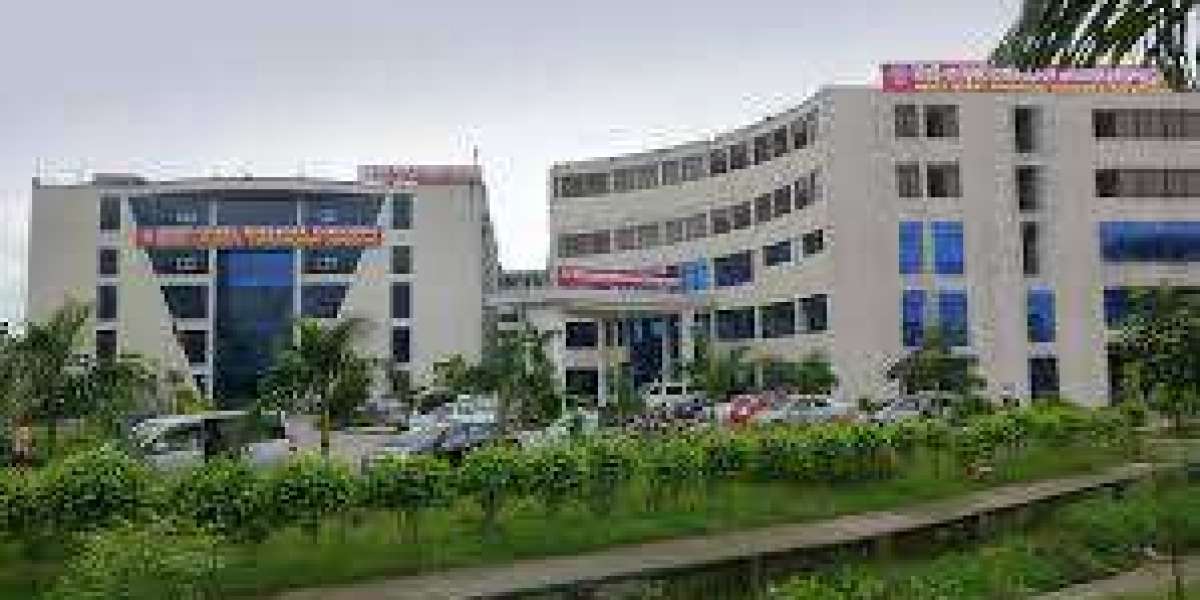

MBBS in Bangladesh for Indian students has emerged as one of the most preferred options for pursuing medical education abroad. Over the last decade, thousands of Indian students have chosen Bangladesh over other countries like Russia, Ukraine, China, Philippines, or Central Asian nations. The reasons are not random—they are deeply connected to academic quality, curriculum similarity, cultural comfort, affordability, and career prospects. This article explains in detail why Indian students increasingly prefer Bangladesh for MBBS compared to other international destinations.
Introduction
Every year, lakhs of Indian students appear for NEET, but only a small percentage secure seats in government medical colleges due to intense competition and limited availability. Private medical colleges in India, on the other hand, charge extremely high fees, making MBBS unaffordable for many families. This gap has pushed students to explore MBBS abroad. Among all options, Bangladesh stands out as a top and reliable choice, especially for Indian students seeking quality education without compromising on standards.
Curriculum Similarity with India
One of the biggest reasons Indian students prefer Bangladesh is the strong similarity between the Bangladeshi MBBS curriculum and the Indian medical education system.
The syllabus is based on Medical Council of India (NMC) guidelines
Teaching methodology closely follows Indian standards
Subjects like Anatomy, Physiology, Biochemistry, Pathology, Pharmacology, and Community Medicine are taught in a familiar structure
Because of this similarity, Indian students do not face academic shock or adjustment issues. This also makes it much easier to prepare for exams like FMGE/NExT after graduation.
NMC-Approved Medical Colleges
Most reputed medical colleges in Bangladesh are NMC-approved, which is a crucial requirement for Indian students who wish to practice medicine in India after completing MBBS.
Degrees are valid in India (after clearing FMGE/NExT)
Colleges are also recognized by WHO
Graduates can pursue postgraduate studies in India or abroad
Compared to many other countries where recognition is unclear or inconsistent, Bangladesh offers transparency and safety in terms of degree validity.
English-Medium Education
Unlike some countries where local languages dominate clinical training, Bangladesh offers MBBS entirely in English.
Lectures, exams, and textbooks are in English
Clinical case discussions are conducted in English
Doctors and patients often understand basic English
This eliminates language barriers that Indian students commonly face in countries like Russia, China, or Ukraine, especially during hospital training.
Strong Clinical Exposure
Clinical exposure is a critical factor in medical education, and Bangladesh excels in this area.
Hospitals attached to medical colleges have high patient inflow
Students get hands-on clinical training from early years
Exposure to diverse medical cases similar to India
Since the disease patterns in Bangladesh are very similar to India, students gain practical experience that directly helps them during internships, FMGE, and real-world medical practice.
Cultural and Food Comfort
Cultural similarity plays a huge role in student comfort and mental well-being.
Indian festivals are celebrated
Food habits are similar, especially for North and East Indian students
Availability of Indian food in hostels and nearby areas
Social customs and lifestyle feel familiar
Compared to countries with completely different cultures, climate, and food habits, Bangladesh feels like a home away from home for Indian students.
Affordable MBBS Fees Compared to India
While MBBS in Bangladesh is not the cheapest option abroad, it is significantly more affordable than private medical colleges in India.
Total MBBS cost is lower than Indian private colleges
Transparent fee structure with fewer hidden charges
Better value for money considering education quality
When compared to some low-cost countries where infrastructure and clinical exposure may be compromised, Bangladesh offers a balanced combination of affordability and quality.
Geographic Proximity to India
Bangladesh’s close location is another major advantage.
Short travel time (2–3 hours by flight)
Affordable flight tickets
Easy for parents to visit students
Students can travel home during vacations
This proximity is especially comforting for parents who are hesitant to send their children to far-off countries.
Safer Environment for Students
Safety is a top concern for Indian families, and Bangladesh scores well here.
Safe campus environments
Separate hostels for boys and girls
Strict rules for international student safety
Indian embassies and student communities provide support
Compared to some countries where geopolitical instability or racial issues exist, Bangladesh is considered relatively safe and student-friendly.
Better FMGE/NExT Passing Ratio
Students graduating from Bangladesh consistently show better FMGE passing rates compared to many other foreign countries.
Reasons include:
Similar syllabus to India
Strong clinical exposure
English-medium teaching
Focus on conceptual learning rather than rote memorization
This significantly improves the chances of Indian students becoming licensed doctors in India after graduation.
Quality Faculty and Infrastructure
Medical colleges in Bangladesh employ experienced faculty, many of whom have trained in India or other reputed countries.
Well-equipped laboratories
Modern teaching hospitals
Regular academic assessments
Emphasis on discipline and attendance
Compared to some MBBS destinations where infrastructure is outdated or faculty turnover is high, Bangladesh offers stability and consistency.
Simple Admission Process
The admission process for MBBS in Bangladesh is relatively straightforward for Indian students.
NEET qualification required
No donation or capitation fee
Merit-based selection
Transparent documentation process
This simplicity makes it easier for students and parents to plan admissions without unnecessary stress.
Comparison with Other Countries
When compared to other popular MBBS destinations:
Russia & Ukraine: Language barriers, cold climate, geopolitical concerns
China: Limited clinical exposure, language issues during internship
Philippines: Different education system (US-based), longer duration
Central Asia: Recognition and quality concerns
Bangladesh stands out by offering familiarity, safety, quality, and career alignment with India.
Conclusion
Indian students prefer Bangladesh for MBBS because it offers the perfect balance between quality education, clinical exposure, cultural comfort, and career security. The similarity in curriculum, NMC-approved colleges, English-medium instruction, strong patient exposure, and higher FMGE success rates make Bangladesh a dependable and smart choice. For students who miss out on government seats in India and cannot afford private colleges, Bangladesh provides a practical, trusted, and future-ready pathway to becoming a doctor.