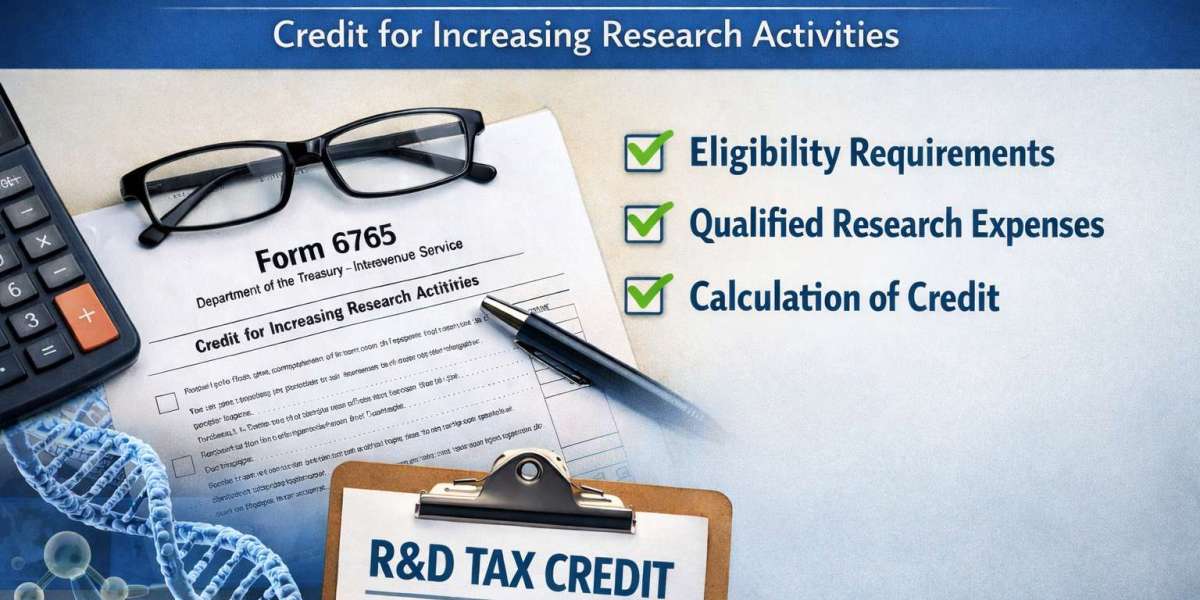

Form 6765 Instructions show taxpayers how to calculate and claim the R&D tax credit with the IRS, choose between ASC and regular methods, and elect payroll tax offset if eligible.
Form 6765 Instructions 2026: Complete Guide for IRS R&D Credit
If you innovate, experiment, or develop new business solutions, learning the IRS Form 6765 Instructions can help you save real money on taxes and grow your business with confidence. This guide walks through each part of the form, highlights what changed for tax year 2025 (filing year 2026), and gives practical tips backed by real IRS sources.
Whether you are new to research credits or just want a clearer path to filing, this article has you covered.
Table of Contents
What is Form 6765 used for?
Why the R&D Tax Credit Matters?
Who Qualifies for R&D Tax Credit?
IRS Form 6765 Instructions Step-by-Step
Regular Method
Alternative Simplified Credit (ASC)
Payroll Tax Election
How to Calculate ASC vs Regular Method?
What Are QREs and Required Documents?
What will have changed in 2025?
Can Startups Use Payroll Offset?
Common Errors to Avoid
Conclusion
FAQs
1. What Is Form 6765 Used For?
What is Form 6765 used for? It helps businesses calculate and claim the Credit for Increasing Research Activities with the IRS. You can also use it to:
Elect a reduced credit under section 280C.
Elect to claim part of the credit as a payroll tax credit.
Report and compute qualified research expense totals.
The Form 6765 Instructions is often overlooked by small and medium sized businesses, but it can reduce taxes owed or boost refunds. Think of it as a financial incentive from the government for innovation.
2. Why the R&D Tax Credit Matters?
Modern businesses thrive on innovation. But without the right tax strategies, innovation can feel like throwing money into a black hole. The R&D Tax Credit exists to reward businesses for taking risks, experimenting, and refining ideas. Qualifying for this credit means you can keep more cash on hand for growth.
This credit doesn’t just benefit tech giants. Small businesses, startups, and mid‑size firms that meet the IRS criteria can claim it too.
3. Who Qualifies for R&D Tax Credit?
To qualify, your work generally must:
Aim to discover information that is technological in nature.
Be intended to develop new or improved business components.
Use a process of experimentation with trials, tests, and analyses.
This “four‑part test” means you should have a technical challenge, alternatives considered, testing, and an outcome that advances your business technically.
Examples include software development, engineering improvements, or data modeling — but only if the work goes beyond routine tweaks and involves experimentation.
4. IRS Form 6765 Instructions Step‑by‑Step
Understanding the instructions for Form 6765 makes filing easier and decreases chances of errors. Let’s break it into digestible chunks.
Regular Method
The regular method appears in Section A of the form. It requires you to:
Enter your qualified research expenses (QREs).
Compute a “fixed base percentage.”
Compare current year research spending to your base amounts.
This method can be beneficial if your research spending has been consistent over time. However, it’s more work and requires good historical records.
Alternative Simplified Credit (ASC)
The Alternative Simplified Credit is a popular choice in Section B and often easier than the regular method. You figure your credit based on increases in qualified research spending over the past three years. This means fewer calculations and often a clearer path to a solid credit amount.
Unlike the regular method, you don’t need a long historical base, so ASC is often simpler for small businesses or startups.
Payroll Tax Election
If your business does not owe much income tax, you may elect to claim the credit against payroll taxes instead. This option lets you apply up to $500,000 of your credit against the employer’s share of Social Security tax for eligible small businesses.
To do this, you file Form 8974 alongside Form 6765. The payroll tax election is useful if you are innovative but not yet profitable.
5. How to Calculate ASC vs Regular Method
A simple way to think about these two methods is:
Regular Method considers long‑term expense history and can yield higher credit if you have strong historical data.
ASC Method uses recent expense trends and simplifies calculations.
Most tax professionals suggest you run both methods and choose the larger credit amount. Numbers matter, so this comparison is worth the time.
Quick Tip: Keep an updated IRS form list handy to make tax filing faster and avoid costly mistakes.
6. What Are QREs and Required Documents
What are QREs?
QREs are Qualified Research Expenses used to compute your credit and typically include:
Wages of employees performing qualified research.
Supplies used in research.
Contract research costs paid to third parties.
To support your claim you should keep:
Detailed payroll records.
Project notes showing experimentation.
Invoices for supplies and research services.
Time tracking that shows when work was done.
Note: You don’t attach all documentation to the IRS, but you must keep it in your records in case of audit. Clear documentation builds trust with the IRS and supports your credit claim.
Also, maintaining strong financial habits helps your overall business. If you want insights into why financial literacy matters for small business success, see our post on Small Business Financial Literacy Stats.
7. What Changed in 2025?
The form 6765 instructions 2025 include updates such as:
New Sections on “Other Information,” QRE summaries, and business component details.
Section G is optional for 2025 filings but may become required for future years.
Clarifications around how to report QREs, especially for controlled groups.
These changes aim to give the IRS better insight into research activity and help taxpayers report more accurately.
8. Can Startups Use Payroll Offset?
Yes. If your business qualifies as a Qualified Small Business, you can use part or all of the credit as a payroll tax offset. This is particularly valuable for startups that are investing heavily in R&D but not yet profitable.
To use this option, complete Section D of Form 6765 and attach Form 8974 to your employment tax return.
9. Common Errors to Avoid
Many businesses make avoidable mistakes on their Form 6765 filings. Pay attention to:
Forgetting to attach required statements for controlled groups.
Reporting QREs without supporting summaries.
Skipping the ASC vs regular method comparison.
Misunderstanding documentation requirements.
Double check your numbers and keep organized records. If in doubt, ask a tax professional for a second pair of eyes.
10. Conclusion
Completing Form 6765 Instructions correctly can provide real tax savings and help your business reinvest in innovation. Whether you select the regular method, elect the simplified option, or apply the credit against payroll, understanding your options protects your bottom line.
For personalized help and clarity in filing, contact BooksMerge at +1‑866‑513‑4656.
Frequently Asked Questions
1.What is Form 6765 used for?
Form 6765 helps you calculate and claim the credit for increasing research activities with the IRS.
2.Who qualifies for R&D tax credit?
Businesses doing qualified research that meets the IRS's four-part test can qualify.
3.What are QREs?
QREs are qualified research expenses used in computing your research credit.
4.How to calculate ASC vs regular method?
Compare your credit calculated by both methods and choose the one that yields the larger value.
5.What documents are required?
Keep payroll, project descriptions, and expense summaries to support your credit.
6.Can startups use payroll offset?
Yes, qualified small businesses can apply up to $500,000 of their credit against payroll taxes.
7.What changed in 2025?
New reporting sections and optional requirements were added to the instructions for more detailed reporting.
Read Also: Form 6765 Instructions