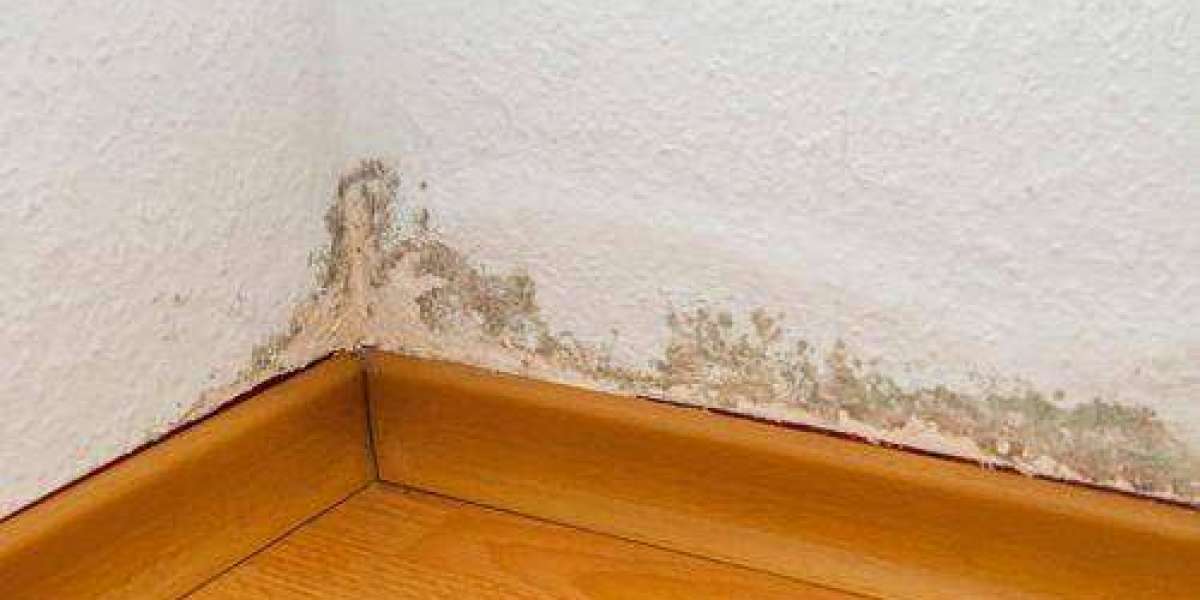

Kitchen leakage is a common but often ignored issue in many homes. Unlike bathrooms, kitchen seepage can remain hidden behind cabinets for a long time, damaging plywood, walls, and flooring. Many homeowners notice the problem only when the cabinet base becomes swollen or the wall paint begins peeling.
This guide explains why kitchen leakage happens and how proper waterproofing can prevent long-term damage.
1) Common Reasons for Kitchen Leakage
Kitchen seepage usually occurs due to:
sink plumbing joint leaks
damaged sealant around sink edges
water penetration through slab cracks
floor slope issues causing water accumulation
seepage behind the backsplash tiles
leakage near dishwasher or washing machine connection points
Even small drips can slowly damage cabinets and wall plaster.
2) Early Signs of Kitchen Seepage
Check for these warning signs:
damp smell near sink area
wet patches behind cabinets
swelling or fungus on plywood
paint bubbling or peeling on kitchen wall
discoloration near plumbing joints
ants/termites attracted due to moisture
Early detection helps avoid complete cabinet replacement.
3) Best Waterproofing Solutions for Kitchen Area
The best solution depends on the cause and severity:
A) Plumbing Repair & Joint Sealing
tighten / replace leaking joints
use proper sealing tape and adhesives
replace worn-out fittings
B) Sink Edge Sealing
apply high-grade silicone sealant along slab edges
close gaps around sink and wall corners
C) Waterproof Coating for Wet Zones
waterproof coating near sink base, slab joint lines, and corners
re-grouting in case tiles have open joints
D) Floor Waterproofing (If Needed)
If seepage is spreading through floor slab:
apply chemical treatment and waterproof layer
ensure correct slope and drainage
4) Why Kitchen Waterproofing Matters
Kitchen leakage can create:
damage to cabinets and woodwork
wall dampness and mold
unpleasant odor and hygiene issues
higher maintenance expenses over time
A small seepage problem can become a major renovation if ignored.
5) Get Waterproofing Support With LeakFoe
LeakFoe helps homeowners connect with waterproofing contractors and receive inspection-based guidance for leakage solutions. We support multiple waterproofing needs including terrace waterproofing, bathroom seepage control, kitchen waterproofing, wall dampness treatment, and hidden leak detection.
✅ Website: https://leakfoe.com/
✅ Kitchen Waterproofing Services: https://leakfoe.com/kitchen-waterproofing-services.html
Conclusion
Kitchen leakage is preventable with correct sealing, plumbing inspection, and waterproof treatment in critical areas. If you notice early signs of dampness, act quickly to protect your kitchen interiors.