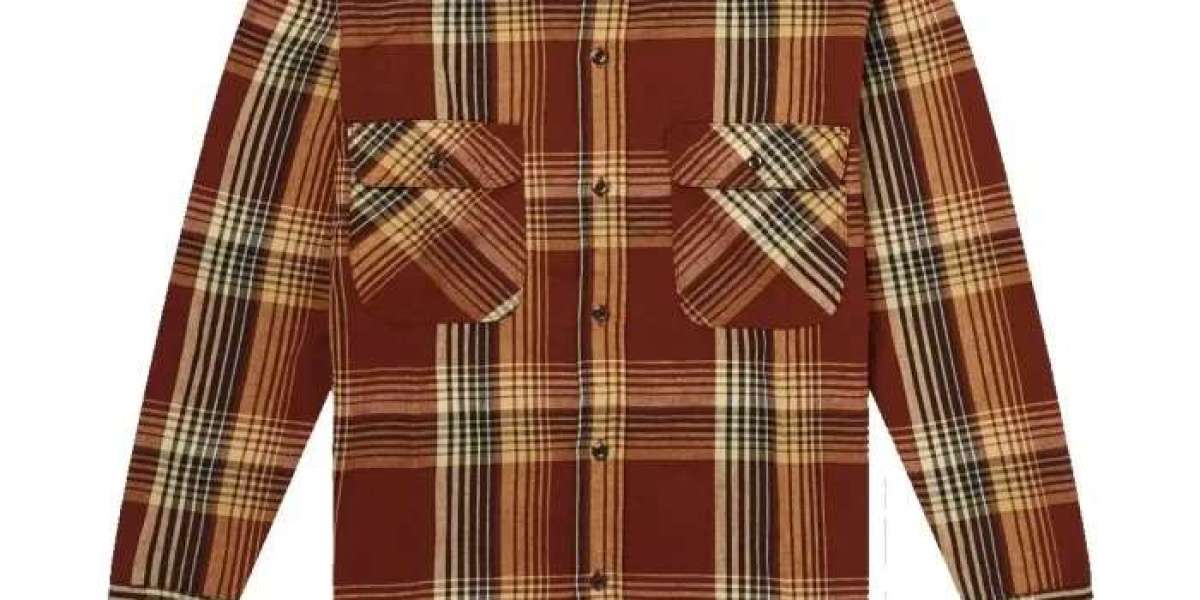

orSlow's growth from a Japanese label into an internationally recognized name in heritage clothing was not built through rapid expansion or constant changes in style. The brand developed around a slower idea: study clothing from the past, understand why those garments worked, and reinterpret them for modern wardrobes. Its official philosophy describes this approach as taking established clothing, especially workwear and military styles, and designing them slowly through its own perspective. That philosophy gave orSlow a clear identity from the beginning. Instead of trying to compete through seasonal novelty, the brand concentrated on denim, utility clothing, military references, traditional fabrics, and careful construction. Over time, that distinctive Japanese interpretation attracted attention far beyond its home market.
The Personal Beginning Behind the Brand
The story of orSlow is closely connected with founder Ichiro Nakatsu's early fascination with denim. According to the brand's own story, a denim overall he received as a child left a lasting impression because its color and texture changed as it was worn. That early experience later became an important part of his approach to clothing. His interest became stronger during the vintage denim boom of the 1980s. Vintage jeans showed him qualities that he felt were missing from increasingly fashion-driven denim: rough texture, distinctive fading, selvedge details, and the character created through age. Those observations eventually shaped the foundation of orSlow.
From Vintage Enthusiast to Designer
The evolution of orSlow did not begin with a conventional fashion-brand formula. Nakatsu's interest in older clothing led him toward vintage shops, denim research, and eventually garment production. A detailed account of the brand's development notes that he studied vintage clothing in Japan and the United States before gaining professional experience with a longstanding jeans manufacturer in Kojima, Okayama. That background mattered because it connected personal appreciation with practical manufacturing knowledge. orSlow was not simply inspired by old clothing from a distance. Its design philosophy developed through direct study of fabrics, machinery, construction, and vintage garments.
The Birth of orSlow in 2005
orSlow was established in 2005, with Kobe, Japan, identified as its founding location by the brand's U.S. site. The name reflects its underlying philosophy: moving slowly in a fashion world that often changes rapidly. The timing was significant. Fashion was already moving toward faster product cycles and frequent changes, while orSlow chose to concentrate on established clothing forms. Its purpose was not to recreate the past exactly but to filter historical ideas through its own design language.
Denim Became the Foundation
Denim remained central to the brand's development. orSlow's founder viewed older jeans as examples of a balance between industrial production and human craftsmanship. The brand's official story explains that early mass-produced jeans combined functional industrial qualities with the warmth and character of clothing. This perspective influenced how orSlow approached its own denim. Instead of treating fading as a flaw, the brand emphasized the way denim gains depth through use. The fabric becomes part of the ownership experience, changing gradually rather than remaining visually identical throughout its life.
Learning From American Workwear
Although orSlow is Japanese, much of its design vocabulary comes from American workwear and military clothing. Jeans, fatigue trousers, work shirts, jackets, and utility garments provide the historical references. The important point is that these references are not presented as simple reproductions. orSlow takes older designs and examines their proportions, materials, construction, and practical details before giving them a new interpretation. This process has allowed the brand to create clothing that feels connected to American clothing history while still carrying a distinctly Japanese sensibility.
Japanese Craft Became Part of the Identity
The Japanese side of orSlow's evolution is particularly visible in its attention to manufacturing. The brand's official philosophy emphasizes the warmth of handwork and detailed quality, while its brand story describes the continued use of vintage sewing machines such as Singer and Union Special models. This combination of historical inspiration and Japanese production helped separate orSlow Jeans from ordinary vintage reproduction. The goal was not simply to make something look old. The goal was to understand what made older garments special and recreate those qualities through careful modern production.
A Slow Approach in a Fast Fashion World
The word “slow” became more than part of the name. It described how orSlow approached design. The official concept explains that the brand takes enduring clothing styles and processes them through its own filter slowly, with an emphasis on original design, adaptability across different periods, and careful craftsmanship. This gave orSlow an identity that was easy to recognize. While other brands could change their visual direction every season, orSlow could continue developing denim, military clothing, and workwear-inspired pieces without abandoning its central philosophy.
Expanding Beyond Denim
As orSlow developed, its identity expanded beyond jeans. The collection came to include fatigue pants, shirts, jackets, sweatshirts, chinos, and other pieces connected to workwear and everyday clothing. A 2018 brand update, for example, documented the introduction of sweatshirts and hoodies made using older loopwheel knitting machinery. The brand described these fabrics as having a soft texture and a vintage character created through slower knitting methods. This expansion showed that the orSlow philosophy could be applied to more than denim. The same attention to fabric history and production could shape different categories.
The Brand Continued Refining Its Identity
orSlow's evolution has also involved subtle changes rather than dramatic rebranding. One example came in 2019, when the brand announced that the white-and-blue ORSLOW tabs used on jeans and denim jackets would be removed from new products. The company described this as a minor change to its original denim direction as the brand entered its 14th year. A small change like this illustrates the brand's overall development. orSlow can adjust details while keeping its larger visual language intact.
The Role of Craftsmanship in Global Recognition
As interest in Japanese denim and heritage clothing grew internationally, orSlow found an audience among people who valued materials and construction rather than obvious branding. Its garments offered something different from ordinary fashion products. A pair of jeans could develop individual fading. A fatigue pant could carry military history without looking like a uniform. A jacket could combine vintage references with contemporary proportions. These qualities made the clothing understandable to customers outside Japan even when they were unfamiliar with the brand's origins.
From Japanese Roots to International Wardrobes
The transition from a Japanese label to a global heritage name was helped by the universal appeal of the garments themselves. Workwear, denim, military trousers, and utility shirts are not restricted to one culture. The historical references may come from different parts of clothing history, but the basic ideas are easy to understand: useful pockets, durable fabrics, comfortable shapes, and garments that can be worn repeatedly. orSlow's Japanese interpretation gave those familiar categories a fresh identity for international customers.
Why the Brand's Origins Still Matter
Global recognition has not erased the Japanese foundation of orSlow. The brand's philosophy still centers on careful design, historical research, craftsmanship, and slow development. That connection matters because the international appeal of orSlow is partly based on its authenticity. Customers are not simply buying generic workwear with a Japanese label attached. They are buying a particular interpretation of clothing history shaped by the founder's long interest in denim and vintage garments.
Growth Without Losing the Original Direction
Many brands change significantly when they become internationally recognized. orSlow's development has been more gradual. Its product range has grown, but the central ideas remain recognizable. The brand continues to look toward older garments for inspiration while creating clothing for present-day use. Its emphasis on enduring styles allows new products to feel connected to earlier pieces rather than appearing as completely separate seasonal projects.
The Global Appeal of Aging
One of orSlow's most transferable ideas is that clothing can become more interesting through use. Denim fading, softened cotton, developing creases, and changing textures give garments a sense of personal history. This idea works across markets because it does not depend on a specific fashion trend. Someone in Japan, Europe, North America, or elsewhere can understand the appeal of a pair of jeans that gradually becomes unique to its owner. That shared appreciation for aging helped strengthen orSlow's position among international enthusiasts of heritage clothing.
A Japanese Brand With a Broader Clothing Conversation
orSlow's global story is also part of a larger interest in Japanese interpretations of classic Western clothing. Japanese designers and manufacturers have demonstrated that historical American workwear and military garments can be studied, refined, and reinterpreted without simply being copied. orSlow fits naturally into that conversation. Its identity is Japanese, its references are often international, and its approach to craftsmanship gives the final garments their own character.
What Makes the Evolution Different
The most interesting part of orSlow's evolution is that its growth did not require abandoning its original principles. The brand moved from a founder's fascination with vintage denim toward a broader clothing collection, then reached customers around the world while continuing to emphasize slow design and long-term wear. Its progress has been less about becoming louder and more about becoming better understood.
Final Thoughts
The evolution of orSlow from Japan to the world is a story of gradual development rather than rapid fashion expansion. Its roots can be traced to Ichiro Nakatsu's early fascination with denim, his study of vintage garments, and his belief that older clothing contained qualities worth preserving. Founded in 2005, orSlow transformed those ideas into a clothing brand built around denim, workwear, military references, Japanese craftsmanship, and slow design. Its international appeal came from the fact that these ideas are easy to appreciate anywhere. A well-made pair of jeans, a practical jacket, or a pair of fatigue pants does not need to follow a temporary trend to remain useful. orSlow's journey shows how a distinctly Japanese approach can take inspiration from global clothing history and turn it into a recognizable style with worldwide relevance.