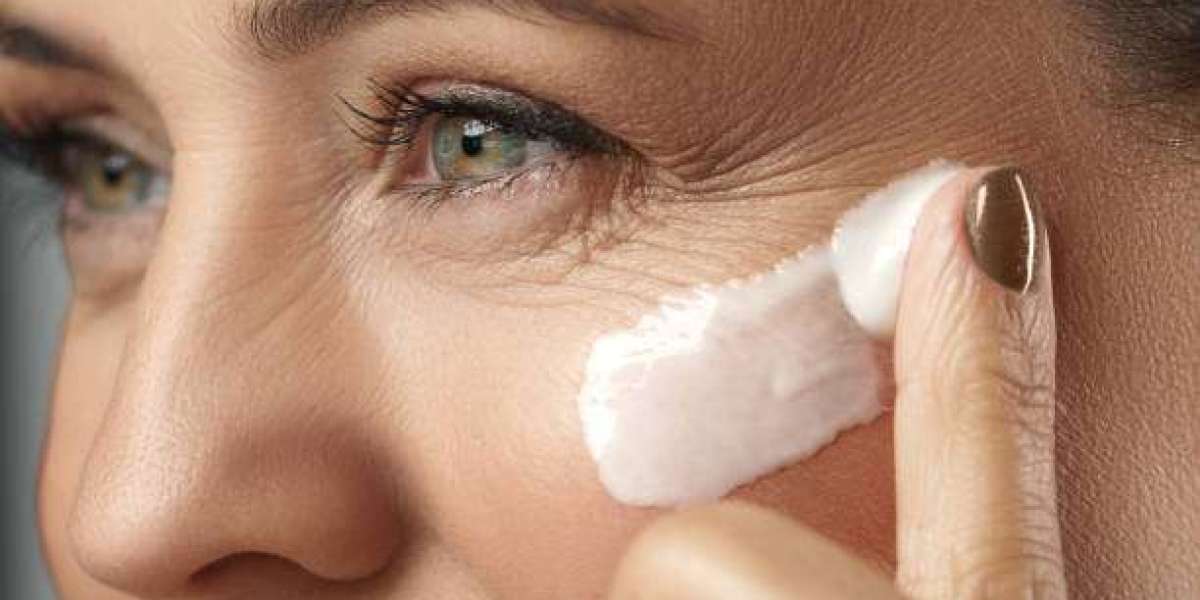

A lot of people have been thinking about booking a facial for wyears. Then they don't. Usually it's because they're not sure what they're actually signing up for,hether it'll be uncomfortable, or whether they'll walk out looking any different. That's a fair hesitation. Anti-aging facials aren't the same as a basic spa facial, and the difference matters. If you're in Southern California and want a treatment that actually targets fine lines, texture, and dull skin rather than just relaxing you for an hour, looking into an Anti aging facial in San Diego, CA is a reasonable starting point. This article breaks down the full process so you know exactly what to expect before you book anything.
How Anti-Aging Facials Are Different from Regular Facials
Standard facials are nice. They clean your pores, soften your skin, and leave you feeling refreshed. But they're not built around targeting the specific things that change in your skin as you age. Anti-aging facials are. The products used typically include ingredients like peptides, retinol, vitamin C, and hyaluronic acid, all chosen because they address collagen loss, uneven pigmentation, and reduced elasticity. Not just surface hydration.
The techniques are different too. You'll often see lymphatic drainage massage worked into the session, which helps reduce puffiness and move fluid that collects around the jaw and under the eyes. Some treatments also include tools like microcurrent devices or LED light therapy, depending on what the esthetician offers. It's a more targeted approach overall. Worth understanding before you assume it's just a fancier version of what you'd get at any spa.
If you want to understand the science behind why ingredients like retinol actually affect skin aging, the National Institutes of Health overview of retinoids and skin is a solid reference that doesn't require a medical degree to follow.
What Actually Happens During the Session
Here's the step-by-step of a typical anti-aging facial treatment in San Die go. The order can vary a little depending on the esthetician, but the core structure is pretty consistent.
Step 1: Cleansing and Skin Analysis
It starts with a double cleanse. The esthetician removes any makeup or surface buildup, then uses a slightly deeper cleanser suited to your skin type. After that, they'll usually look at your skin under a magnifying lamp. This lets them see texture, pore size, sun damage, and where the most work is needed. Quick. But it shapes everything that follows.
Step 2: Exfoliation
This is where the treatment separates from a standard facial pretty clearly. Anti-aging facials typically use a chemical exfoliant rather than a scrub, often an alpha hydroxy acid like glycolic or lactic acid. These work by loosening the bonds between dead skin cells so they shed more evenly, which gradually smooths texture and brightens overall tone. Some estheticians also use enzyme-based exfoliants, which are gentler and better suited for sensitive skin. It might tingle a little. It shouldn't hurt.
Step 3: Extractions (If Needed)
Not every anti-aging facial includes extractions, and at this age range they're usually minimal. If your esthetician does them, they'll soften the skin first with steam. Then they clear out any congested pores. Brief and targeted, not the big focus it would be in an acne facial.
Step 4: Serums and Active Ingredients
This is arguably the most important part. The esthetician applies targeted serums, usually layered in a specific order. A peptide serum might go on first to signal collagen production, followed by something with vitamin C for brightening, then a hyaluronic acid layer to pull moisture into the skin. These aren't the same concentrations you'd find in a drugstore product. Professional-grade formulas are stronger and often penetrate more effectively because the skin has been prepped through exfoliation.
Step 5: Massage
Most anti-aging facials include a face, neck, and sometimes shoulder massage. This isn't just relaxing. Facial massage stimulates circulation, which brings more oxygen and nutrients to skin cells, and the lymphatic drainage techniques specifically help reduce puffiness around the eyes and jawline. A good esthetician will spend real time here. It makes a visible difference.
Step 6: Mask and Finish
A mask goes on based on what your skin needs, often something firming or hydrating. You rest for ten to fifteen minutes while it works. Then it's removed, a moisturizer and SPF go on, and you're done. The whole session usually runs between sixty and ninety minutes.
What Your Skin Does After the Treatment
Immediately after, most people notice their skin looks brighter and feels smoother. Some mild redness is normal, especially if exfoliation was involved. That usually fades within a few hours. You might also notice your skin feels a little more plump, which is the hydration from the serums doing its job.
Short-term, you'll likely see a visible improvement in radiance and texture that lasts several days. Long-term results are a different story. One session won't erase years of sun damage or deep lines. But consistent sessions, spaced correctly, do produce real cumulative changes in skin texture, firmness, and tone. Most people who stick with a regular schedule notice a genuine difference after three to six treatments.
If you're looking at a provider in the area, Bonnie Cruz Esthetics is one option people mention for this kind of work in San Diego. Worth checking out if you want someone who specializes specifically in skin health rather than a general spa menu.
Which Skin Concerns It Actually Helps
Anti-aging facials work well for fine lines and early wrinkles, especially around the eyes and forehead. They're also good for uneven skin texture, mild hyperpigmentation from sun exposure or old acne marks, and general dullness that comes from slower cell turnover as you get older. Loss of firmness along the jaw and cheeks responds well to consistent treatment too, especially when lymphatic drainage and peptide serums are involved.
They're not the right tool for every problem. Deep wrinkles, significant sagging, or severe pigmentation usually need something more clinical, like injectables or laser treatments. But for the early-to-mid signs of aging that most people in their thirties and forties are dealing with, a well-executed anti-aging facial treatment in San Diego is genuinely useful and a lot less intimidating than more invasive options.
How Often to Go and What to Do at Home
Most estheticians recommend every four to six weeks. That timing lines up with your skin's natural cell turnover cycle, so each session is building on fresh progress rather than repeating the same ground. Going more often than that doesn't usually speed up results. Going less often means you lose some of the cumulative benefit.
At home, the basics matter more than people think. A good SPF every single morning is non-negotiable if you're trying to preserve results, because UV exposure is the fastest way to undo what a facial starts. A retinol product used a few nights a week, a solid moisturizer, and a gentle cleanser are all you really need in between appointments. You don't need ten products. Just the right ones, used consistently.
And honestly, drink more water. It sounds obvious, but skin that's chronically dehydrated from the inside doesn't hold onto the benefits of a facial the way well-hydrated skin does. Simple stuff. But it works.
Frequently Asked Questions
Does an anti-aging facial hurt?
Most people find it comfortable. The exfoliation step might cause a mild tingling sensation, and extractions can be briefly uncomfortable if they're needed, but overall this is not a painful treatment. If anything feels wrong, a good esthetician will adjust on the spot.
How soon will I see results?
You'll probably notice brighter, smoother skin within a day or two of your first session. More significant changes in firmness and tone usually show up after three to six consistent treatments, spaced about a month apart.
Is an anti-aging facial safe for sensitive skin?
Yes, generally. A skilled esthetician will adjust the exfoliant strength and product choices based on your skin's tolerance. Always tell them upfront if you have reactive skin, rosacea, or any active breakouts so they can plan accordingly.
Can I wear makeup right after?
It's better to skip it for the rest of the day if you can. Your skin is freshly exfoliated and the pores are open, so giving everything a few hours to settle is worth it. SPF is fine to apply, and most estheticians will put it on for you before you leave.
What's the difference between an anti-aging facial and a chemical peel?
A chemical peel uses higher concentrations of acid to resurface the skin more aggressively, and typically involves more downtime. An anti-aging facial uses lower concentrations as part of a broader treatment that also includes massage, serums, and a mask. The facial is gentler, more relaxing, and something you can do monthly without recovery time.