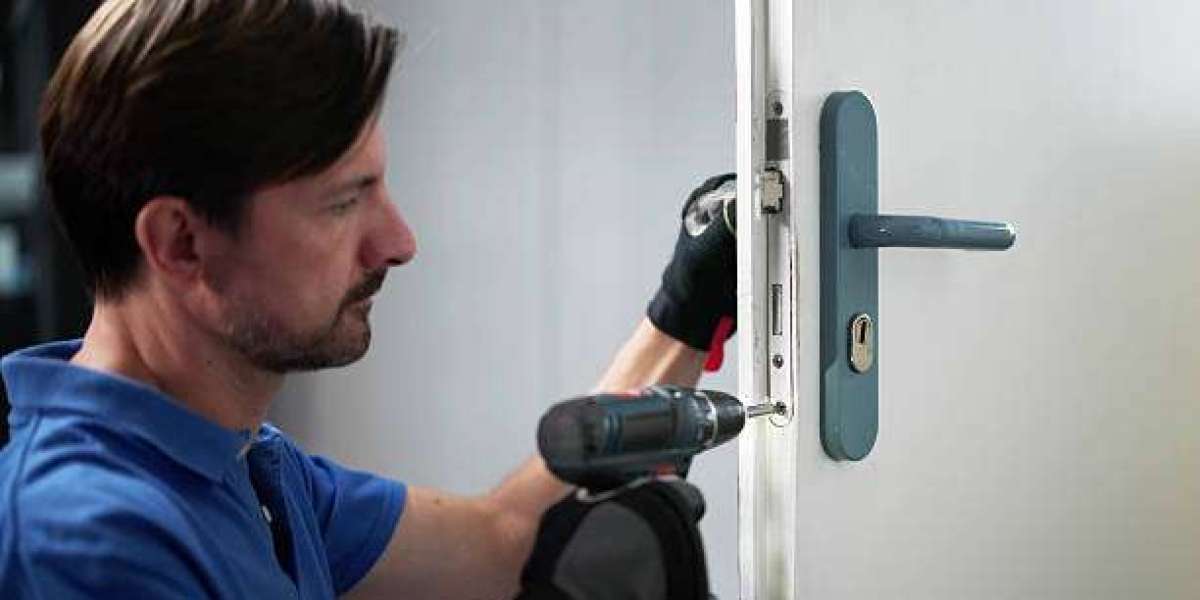

Most people don't think about locksmiths until something goes wrong. You're standing outside your car at 10pm, keys sitting on the seat, and suddenly you need help fast. Or maybe you just moved into a new apartment and realized the previous tenant probably still has a copy of your key. Either way, you're now looking for someone who can show up, fix the problem, and not rip you off. That's exactly what a mobile locksmith does. If you've never hired one before, this guide walks you through everything, from what the service actually is to how to make sure the person you're calling is legitimate. Searching for a Locksmith in Philadelphia PA is a good starting point, but knowing what to expect before you call makes the whole thing a lot less stressful.
What Makes a Mobile Locksmith Different
A traditional locksmith operates out of a shop. You drive there, drop off your keys, maybe wait around. A mobile locksmith skips all of that. They come to you. Their van or truck is basically a rolling workshop, stocked with the tools and parts needed to handle most jobs on the spot. Pretty convenient when you're locked out of your house at midnight and can't exactly drive anywhere.
The range of jobs they handle is also broader than most people expect. It's not just lockouts. Mobile locksmiths rekey locks, replace deadbolts, program car keys and key fobs, install new hardware after a break-in, and handle commercial door locks too. Some specialize in automotive work, some in residential, and some do both. Worth asking when you call what their focus is.
Because they're not tied to a physical storefront, mobile locksmiths often have lower overhead costs. That doesn't always mean cheaper prices, but it can. And the convenience factor alone is usually worth it, especially in a real emergency.
The Full Range of Services They Offer
Here's a rough breakdown of what most mobile locksmiths handle on a regular basis:
Lockouts (home, car, office)
Rekeying existing locks so old keys no longer work
Lock replacement and new installation
Car key cutting and transponder programming
Key fob replacement and programming
Safe opening and combination changes
Deadbolt upgrades after a break-in or move
Master key systems for landlords or small businesses
Rekeying is one of the most underused services. It costs less than a full lock replacement and makes your old keys completely useless. If you just moved somewhere new, rekeying is honestly the first thing you should do. You have no idea who has a copy of that key.
Car key programming is another big one. Dealers charge a lot for this. A qualified mobile locksmith can usually do the same job for less, right in your driveway. Not every locksmith handles every vehicle make and model, so confirm before they come out.
How to Check If a Locksmith Is Legitimate
This part matters. A lot. There are scam operations out there that advertise low prices, show up, and then inflate the bill once they're already working on your lock. Knowing how to vet someone quickly can save you real money and a serious headache.
According to general locksmith licensing information, requirements vary by state, so check what your state actually mandates. In Pennsylvania, locksmiths are required to be licensed. Ask for the license number before anyone starts work. A legitimate pro won't hesitate.
Also look for these things:
A business name that matches what was advertised (not a generic "local locksmith" with no real identity)
A local phone number, not just a call center
Reviews on Google or Yelp with real, specific detail
A written or verbal quote before work begins
Proper ID when they arrive
If someone shows up in an unmarked vehicle, won't give you a quote upfront, or gets cagey about their license, send them away. Trust your gut on this one.
What to Expect During a Typical Visit
So you've called someone and they're on the way. Here's what usually happens. First, they'll ask for proof of ownership or residency before doing anything. That means your ID, a lease agreement, a registration card for the car, something that shows the property is yours. Don't be offended by this. It's standard practice and actually a sign they're doing things right.
Once they verify who you are, they assess the job. For a lockout, that might take two minutes. For a full lock replacement or key programming, it could be thirty to forty-five minutes. They work out of their vehicle, so there's no waiting for parts to be ordered in most cases.
Pricing is usually structured as a service call fee plus labor, sometimes with a parts cost on top. The service call fee covers them showing up, typically somewhere between $15 and $50 depending on location and time of day. Emergency or after-hours calls cost more. Get the full estimated total before they start, not after. If a locksmith in Philadelphia PA refuses to give you a number upfront, that's a red flag.
If you're in the Philadelphia area and want a company with a solid track record of transparent pricing and fast response times, PrimeKey Mobile Locksmith is one name that comes up often among local homeowners and drivers.
DIY vs. Calling a Pro: When Each Makes Sense
Sometimes you don't need a locksmith. Spare key at a neighbor's house? Use it. Locked out of an interior door with a simple push-button lock? A credit card or a bobby pin might actually work. But for anything involving a deadbolt, a car, or a high-security lock, DIY attempts usually make things worse.
Forced entry damages the door frame, the lock cylinder, or both. Then you're paying for repairs on top of the original problem. Not worth it. And if your car has a modern transponder key or a proximity fob, there's no realistic DIY option anyway. Those require programming equipment that costs thousands of dollars.
Call a mobile locksmith when you're locked out with no backup option, when you need rekeying after a move or a breakup, when a key breaks off inside a lock, or when you want to upgrade your home's security without buying all new hardware. Those are the situations where a professional pays for themselves pretty quickly.
Frequently Asked Questions
How fast can a mobile locksmith get to me?
Most mobile locksmiths aim for a 15 to 30 minute response time in urban areas. In a dense city like Philadelphia, that's usually realistic. Rural areas or peak hours might take longer. Ask for an estimated arrival time when you call, and if they can't give you one, try someone else.
Is it safe to let a mobile locksmith into my home?
Yes, if you've done the basic checks. Verify their license, check reviews, and make sure they arrive in a marked vehicle with ID. Any reputable locksmith will show proof of credentials without being asked twice. You're letting someone work on your security, so it's completely reasonable to be careful about who that person is.
Will my insurance cover a locksmith call?
Some homeowner's insurance policies and roadside assistance plans do cover locksmith fees, at least partially. Check your policy before you assume you're paying out of pocket. Roadside assistance through your auto insurance or a service like AAA often includes lockout help as a standard benefit.
What's the difference between rekeying and replacing a lock?
Rekeying changes the internal pins of your existing lock so old keys don't work anymore. It's cheaper and faster than a full replacement. Lock replacement makes sense when the hardware is damaged, outdated, or you want a security upgrade. Your locksmith can advise you on which one fits your situation after a quick look at what you've got.
How do I find the best locksmith in Philadelphia PA?
Start with Google reviews and look for companies with a real local presence, not just a generic listing. Ask about licensing upfront. Get a quote before anyone starts working. The best locksmith in Philadelphia PA for your situation is usually the one who's transparent, shows up on time, and doesn't surprise you with the bill at the end.