
A lot of guys spend months, sometimes years, feeling like something is just off. Low energy. No drive. Brain fog that won't quit. They chalk it up to getting older or being too busy, and they push through it. But a lot of the time, what's actually happening is a hormone problem that's completely treatable. If you've been reading about testosterone replacement therapy and you don't know where to start, you're in the right place. This guide covers what the therapy actually is, how to know if you might need it, what the process looks like, and what you can honestly expect once treatment begins. If you're looking specifically for Testosterone Therapy Bradenton FL, that link will take you to a local clinic worth checking out. The goal here is just to give you a straight answer to the questions most guys have before they ever pick up the phone.
What Testosterone Replacement Therapy Actually Is
Testosterone replacement therapy, usually called TRT, is a medical treatment that restores testosterone to normal levels in men whose bodies aren't producing enough on their own. That's the simple version. The slightly longer version is that your body needs testosterone for a lot more than just sex drive. It affects muscle mass, bone density, mood, sleep quality, mental clarity, and even red blood cell production. When levels drop too low, the effects show up all over the place.
Low testosterone isn't rare. According to research referenced by the National Institute of Diabetes and Digestive and Kidney Diseases, male hypogonadism (the clinical term for low testosterone production) affects millions of men in the United States. Lots of them never get diagnosed. TRT doesn't cure the underlying cause. What it does is replace the hormone your body isn't making, keeping your levels in a healthy range so everything connected to testosterone works the way it should.
Symptoms That Point to Low Testosterone
The tricky part is that low T symptoms look a lot like regular life stress. Fatigue. Trouble concentrating. Weight gain around the belly. Irritability. Reduced interest in sex. Loss of muscle even when you're still working out. Sound familiar? Most men assume this is just what happens after 40, so they never bring it up with a doctor.
But here's the thing. These symptoms don't have to be your baseline. A blood test is the only way to actually know if your testosterone is low. If your levels come back below the normal range (usually under 300 ng/dL, though labs vary), and you're feeling these symptoms, you're likely a candidate for treatment. Some men see their numbers sitting at the low end of "normal" and still feel terrible. A good doctor will look at both the numbers and how you're actually feeling, not just one or the other.
The Different Ways TRT Is Delivered
This is the part that surprises most first-timers. TRT isn't one thing. There are several delivery methods, and each one fits differently into daily life depending on your preferences and your doctor's recommendation.
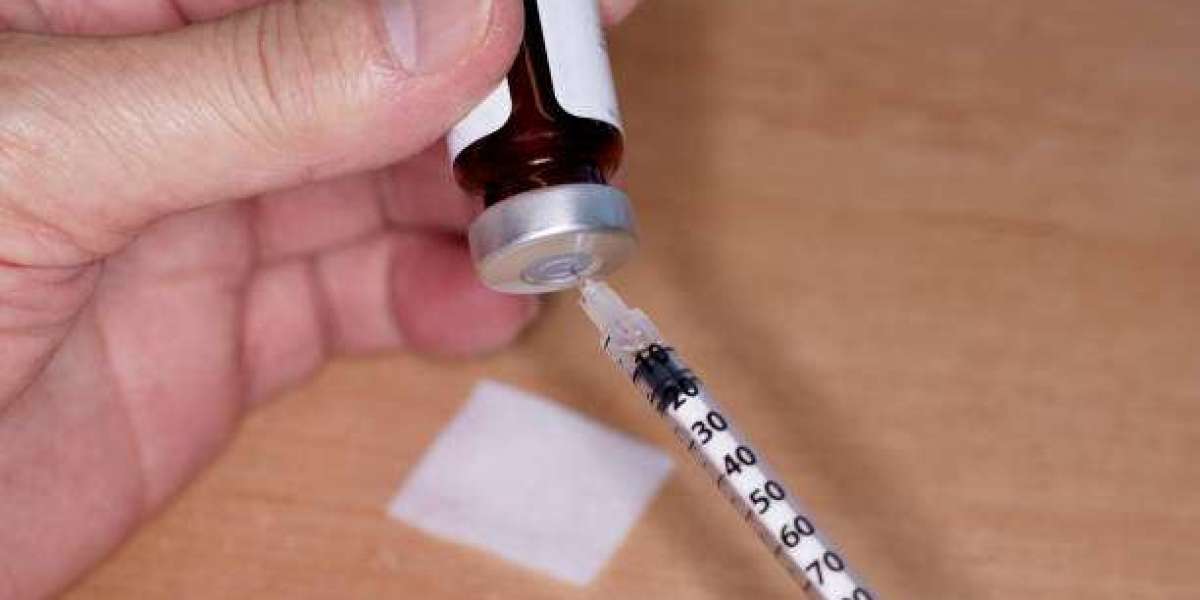
Injections: Usually given every one to two weeks, either at a clinic or self-administered at home. Testosterone levels do spike after injection and then gradually drop, which some men notice. Frequent smaller doses can smooth that out.
Gels and creams: Applied to the skin daily, typically to the shoulders or upper arms. Absorption is consistent, but you have to be careful about skin-to-skin contact with others right after applying.
Patches: Stuck to the skin and worn daily. Convenient, but some men get skin irritation at the site.
Pellets: Tiny pellets are inserted under the skin (usually near the hip) every three to six months in a quick in-office procedure. No daily maintenance. A lot of men prefer this once they try it.
There's no single best option. Injections tend to be the most affordable. Pellets are the most hands-off. Gels are easy but require some daily discipline. Your doctor will usually walk you through which makes sense given your lifestyle and how your body responds to initial treatment.
What the Evaluation Process Looks Like
Before anyone prescribes TRT, you'll go through an evaluation. Don't skip this step or try to shortcut it. A responsible clinic will want a full picture of your health before putting you on hormones.
Expect bloodwork. Total testosterone is the starting point, but a thorough panel will also check free testosterone, LH, FSH, estradiol, SHBG, complete blood count, and sometimes PSA (a prostate marker). This matters because TRT can affect red blood cell production and estrogen levels, so you need a baseline before you start. Some clinics also do a short health history and symptom questionnaire. The whole process usually takes a single visit plus a few days waiting on lab results.
If you've been researching testostrum replacement theropy online, you've probably seen a wide range of opinions about whether it's safe. The honest answer is that it's safe when it's properly monitored. That means regular follow-up blood tests, usually at 30 to 90 days after starting, and then every three to six months once you're stable. A clinic that doesn't follow up on labs is a clinic to avoid.
What to Expect in the First 30, 60, and 90 Days
Real talk: TRT is not a magic switch. Most men don't feel dramatically different in week one. But the changes do come, and they tend to follow a rough timeline.
In the first 30 days, you might notice slightly better sleep and a bit more morning energy. Some men feel a mood lift fairly early. Libido can start coming back around weeks three or four, though it varies a lot. Don't panic if you don't feel anything right away. Your body needs time to adjust.
By 60 days, most men start noticing more consistent energy, better focus, and some improvement in body composition if they're also exercising. Muscle starts responding to training more the way it used to. This is usually the point where men say they "feel like themselves again."
At 90 days, the picture is clearer. Labs at this point will show whether your levels are dialed in or need adjusting. This is also around the time when clinics like ConciergeMedicalClinic.com. would typically revisit your dose and delivery method based on how you've responded. Testostrum replacement theropy takes patience. Men who stick with it and stay on top of their follow-ups consistently report better long-term outcomes than those who quit after a few weeks because results weren't instant.
One thing TRT won't fix: the underlying lifestyle habits that made things worse. Sleep, nutrition, and exercise still matter. TRT works best alongside those things, not instead of them. And Testosterone Therapy Bradenton FL clinics worth their salt will tell you exactly that during your first visit.
Frequently Asked Questions
Is TRT safe for long-term use?
For most men, yes. Long-term use is considered safe when it's properly monitored with regular bloodwork. The key is staying on top of follow-ups so your doctor can catch any issues, like rising red blood cell count or estrogen levels, before they become a problem.
Will TRT affect my fertility?
This is one of the most common concerns. TRT can reduce sperm production because it suppresses the body's natural signaling to the testes. If you're planning to have children, talk to your doctor first. There are alternative approaches that support testosterone levels without shutting down natural production.
Do I have to stay on TRT forever once I start?
Not necessarily. Some men use it for a defined period. But for men with clinically low testosterone caused by a chronic condition, long-term use is often the realistic path. Stopping TRT usually means levels return to where they were before, and symptoms come back with them.
Can I get TRT from my regular family doctor?
Some family doctors do prescribe it. But a lot of them aren't up to speed on the current protocols or don't have the time to manage the follow-up properly. Men's health clinics and hormone specialists tend to do a more thorough job with both the initial workup and ongoing monitoring.
How do I know if a TRT clinic is legitimate?
A real clinic will require bloodwork before prescribing anything, do regular follow-up labs, and adjust your dose based on results, not just symptoms. If a place offers to prescribe without testing or skips the follow-ups, walk away. That's a red flag regardless of how good the website looks.
Getting started with TRT doesn't have to be overwhelming. Find a clinic that takes the evaluation seriously, ask questions, and give the treatment a real chance before deciding if it's working for you.