
Getting a chimney put in for the first time can feel like a bigger mystery than it needs to be. You know you want a fireplace or wood stove, but you're not sure what happens between "I want one" and actually lighting your first fire. The process has a few moving parts, and if you go in blind, small surprises can feel like big problems. If you're planning chimney installation in North Vancouver BC, this article walks you through each stage so nothing catches you off guard. From the first site visit to the final inspection, here's what to expect.
The Process, From First Call to Final Sign-Off
Most jobs start with an assessment. A contractor visits your home, checks the space where the chimney will go, looks at your roof pitch and attic layout, and figures out what type of system actually fits your situation. This step matters a lot. Skipping it or rushing it is where a lot of headaches start later.
After the assessment, the permit process kicks in. North Vancouver has building code requirements for chimney work, and any reputable contractor will pull the right permits before swinging a hammer. That process can take anywhere from a few days to a couple of weeks depending on the municipality's current backlog. Your contractor should handle all of this, but it's worth asking them to confirm it's done before work starts. Don't assume.
Once permits are approved, the actual installation begins. That means framing any required chases, cutting roof penetrations, installing the liner or flue system, and sealing everything properly at the roofline. The job wraps up with a final inspection from the local building authority, who checks that everything meets code. You get your paperwork, and then you're good to go.
How Long Does a Chimney Installation Actually Take?
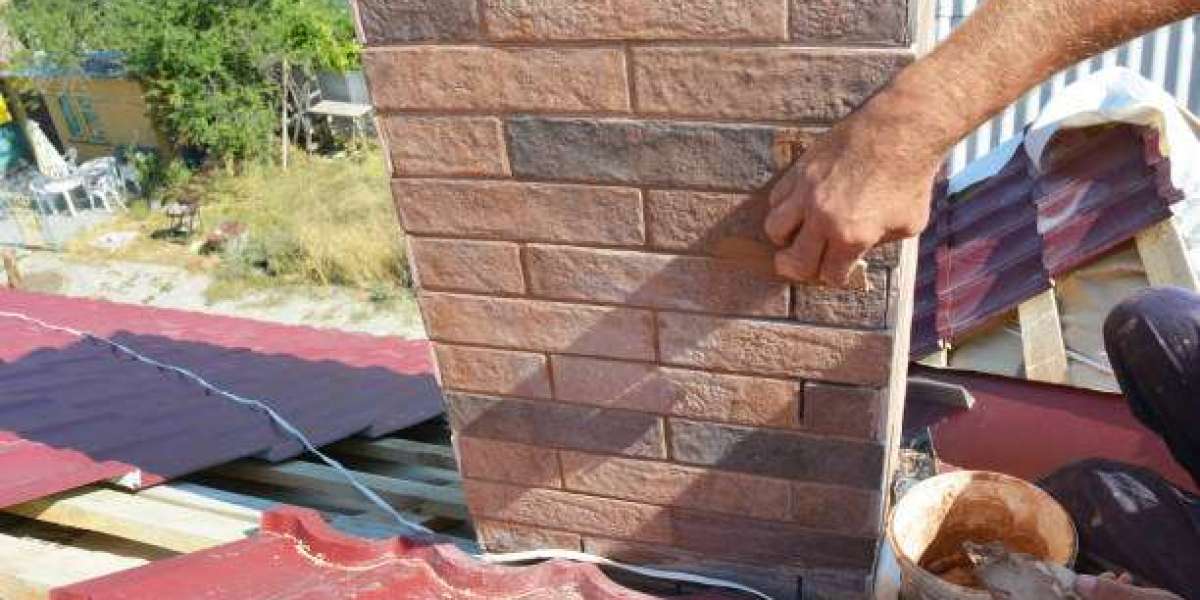
Honestly, it depends on what you're building. A prefabricated metal chimney system for a gas fireplace can sometimes be finished in a single day. Masonry chimneys are a different story entirely. They're built brick by brick, and a full masonry build can take three to five days or longer depending on the height and complexity of the design.
A few other things can stretch the timeline. Weather is a real factor, especially if your job involves exterior masonry work or mortar that needs time to cure properly. Permit delays can add days or weeks that have nothing to do with the crew's speed. And if your home has an unusual layout, like a tight attic or a steep roof pitch, expect a bit more time just for the physical setup and safety rigging. Good chimney installers in North Vancouver BC will give you a realistic window upfront and keep you posted if anything shifts.
What You Need to Do Before the Crew Arrives
A little prep on your end goes a long way. Clear a path. That means moving furniture, rugs, or anything breakable away from the work area inside the house. Outside, make sure the crew can actually get to the side of the house and the roof without climbing over your car or your garden beds.
Confirm your fuel type before work starts. Gas, wood, and pellet systems all have different liner and clearance requirements, and changing your mind mid-job costs time and money. If you're replacing an existing heating system, talk to your contractor about temporary heat options because you may be without heat for a day or two. It's also worth doing a quick review of your local building code requirements yourself, just so you can ask informed questions. The NFPA 211 standard for chimneys and fireplaces is the main national reference that local codes often build on, so it's not a bad thing to skim before your contractor visit.
What to Expect During the Work Itself
It's going to be noisy. Cutting through walls, drilling into masonry, and working on the roof all make real noise, so if you work from home, plan around it. Dust and debris are part of the deal too. A good crew will lay down drop cloths and clean up at the end of each day, but there will still be some mess during active work hours.
Expect roof access. Workers will be up there, and they'll need a clear area to stage materials and move around safely. If you have solar panels, skylights, or fragile roofing tiles anywhere near the work zone, point that out to your contractor before they start. Red Seal Chimney, Fireplace & HVAC is one company that does a walkthrough specifically to flag these kinds of site conditions before any work begins, which helps avoid accidental damage. Worth asking any contractor you hire whether they do the same.
If you're replacing an older system, there may be some demo work involved too. Removing an old liner or breaking out deteriorated masonry takes time and adds to the debris. Budget for a bit more disruption than you'd expect from a brand-new install.
The Post-Installation Checklist You Shouldn't Skip
Once the crew packs up, don't just assume everything is ready to use. There's a short checklist worth going through before you light anything. First, ask for a draw test. This confirms the chimney is drafting properly and that combustion gases will actually go up and out instead of back into your living space. It's a quick test, but it matters.
Second, get a carbon monoxide detector installed near the appliance if you don't already have one. Non-negotiable. Third, make sure your contractor hands you all the documentation from the job, including the permit sign-off, any manufacturer installation records, and the final inspection certificate. You'll need those documents if you ever sell the house or make a claim on your home insurance.
Clearance distances are worth double-checking too. The finished installation should meet the required distances from combustible materials like framing, insulation, and ceiling joists. Your inspector will check this, but it doesn't hurt to ask your contractor to walk you through it before the inspector arrives. Knowing this also helps you avoid accidentally storing things too close to the unit later on.
Frequently Asked Questions
Do I need a permit for chimney installation in North Vancouver BC?
Yes. Any chimney installation in North Vancouver BC requires a building permit. Your contractor should pull this before work starts. If a contractor tells you a permit isn't necessary, that's a red flag worth taking seriously.
How do I find good chimney installers in North Vancouver BC?
Look for licensed contractors with references and verifiable experience in both prefab and masonry systems. Ask about their permit process and whether they handle the final inspection. Solid chimney installers in North Vancouver BC will have no problem walking you through their process step by step before you commit.
Can I use my fireplace right after installation?
Usually not immediately. Gas systems may need a short curing period depending on the materials used. Masonry chimneys need the mortar to cure fully before the first fire, which can take several days. Your contractor will tell you the specific wait time for your system.
What if weather delays my installation?
It happens, especially with masonry work. Mortar shouldn't be applied in freezing temperatures or heavy rain. A good contractor will schedule around the forecast and let you know early if a delay is coming. Build a few extra days into your timeline mentally, just in case.
What documentation should I receive after the job is done?
At minimum, you should get the building permit sign-off, the final inspection certificate, and any manufacturer records for the chimney system or appliance installed. Keep these somewhere safe. You'll want them for insurance purposes and when you eventually sell the home.
Going into your first chimney installation with a clear picture of the process makes the whole thing a lot less stressful. Ask questions early, prep your space, and don't skip the post-installation checks. A well-installed chimney will serve your home for a long time if the job is done right from the start.