
Strong bones are essential for maintaining an active and healthy lifestyle. They provide support for the body, protect vital organs, and help us move with ease. While many people think about bone health only as they age, building and maintaining strong bones is important throughout life.
Nutrition plays a major role in bone strength. The foods and nutrients we consume every day help build bone tissue, maintain bone density, and reduce the risk of bone-related problems later in life. Making smart nutritional choices today can contribute to healthier bones for years to come.
In this article, we will explore how nutrition affects bone health and which foods can help support stronger bones naturally.
Why Bone Health Matters
Bones are living tissues that constantly undergo a process of renewal. Old bone tissue is broken down and replaced with new tissue. During childhood and early adulthood, the body builds bone faster than it loses it, allowing bones to become stronger and denser.
As people age, bone loss can occur more quickly than bone formation. This makes proper nutrition even more important for maintaining healthy bones and reducing the risk of fractures.
Strong bones support:
- Better mobility
- Improved posture
- Protection of internal organs
- Physical strength and balance
- Long-term independence
Taking care of your bones is an investment in your overall health and quality of life.
Calcium: The Foundation of Strong Bones
Calcium is one of the most important nutrients for bone health. Nearly all of the calcium in the body is stored in bones and teeth.
When calcium intake is too low, the body may remove calcium from bones to support other essential functions. Over time, this can weaken bone structure.
Good dietary sources of calcium include:
- Milk
- Yogurt
- Cheese
- Leafy green vegetables
- Broccoli
- Kale
- Fortified plant-based milk
- Fortified cereals
Including calcium-rich foods regularly can help maintain strong and healthy bones.
Vitamin D Supports Calcium Absorption
Vitamin D helps the body absorb calcium efficiently. Without enough vitamin D, even a calcium-rich diet may not provide maximum benefits.
Sources of vitamin D include:
- Sunlight exposure
- Fatty fish such as salmon
- Egg yolks
- Fortified dairy products
- Fortified cereals
Spending moderate time outdoors and consuming vitamin D-rich foods can help support healthy bone development.
Protein and Bone Strength
Many people associate protein with muscles, but it is also important for bones. Protein helps build and repair tissues throughout the body, including bone tissue.
Healthy protein sources include:
- Fish
- Chicken
- Lean meats
- Eggs
- Lentils
- Beans
- Greek yogurt
- Nuts and seeds
A balanced intake of protein can contribute to better bone structure and overall health.
Magnesium for Healthy Bones
Magnesium plays an important role in bone formation and helps regulate calcium levels in the body.
Foods rich in magnesium include:
- Almonds
- Cashews
- Spinach
- Black beans
- Whole grains
- Avocados
Including magnesium-rich foods in your daily meals can help support proper bone function.
The Importance of Vitamin K
Vitamin K contributes to bone metabolism and helps the body use calcium effectively.
Excellent food sources include:
- Spinach
- Kale
- Cabbage
- Broccoli
- Brussels sprouts
Adding green vegetables to your diet regularly provides multiple nutrients that support bone health.
Phosphorus and Bone Development
Phosphorus works alongside calcium to help build strong bones and teeth. Most people get enough phosphorus through a balanced diet.
Foods containing phosphorus include:
- Dairy products
- Fish
- Poultry
- Whole grains
- Nuts
Maintaining a healthy balance of calcium and phosphorus is important for overall bone strength.
Potassium Supports Bone Health
Potassium may help reduce calcium loss from bones and support healthy mineral balance within the body.
Good sources of potassium include:
- Bananas
- Sweet potatoes
- Oranges
- Tomatoes
- Beans
- Avocados
A diet rich in fruits and vegetables naturally increases potassium intake.
Healthy Eating Habits for Stronger Bones
Building stronger bones is not just about focusing on one nutrient. A balanced eating pattern that includes a variety of nutrient-rich foods is often the most effective approach.
Consider these healthy habits:
Eat More Fruits and Vegetables
Fruits and vegetables provide vitamins, minerals, antioxidants, and fiber that support overall health and bone function.
Include Dairy or Calcium-Rich Alternatives
Dairy products are among the most concentrated sources of calcium. For those who avoid dairy, fortified alternatives can help meet calcium needs.
Limit Excessive Processed Foods
Highly processed foods may contain large amounts of sodium, which can contribute to calcium loss over time.
Stay Hydrated
Proper hydration supports many bodily functions, including nutrient transport and overall health.
Lifestyle Factors That Affect Bone Health
Nutrition is important, but other lifestyle habits also play a role in maintaining strong bones.
Regular Exercise
Weight-bearing exercises help stimulate bone formation and maintain bone density.
Examples include:
- Walking
- Jogging
- Hiking
- Dancing
- Strength training
Avoid Smoking
Smoking can negatively affect bone health and may increase the risk of fractures.
Limit Excessive Alcohol Consumption
Heavy alcohol intake can interfere with the body's ability to maintain healthy bones.
Get Adequate Sleep
Quality sleep supports overall health and allows the body to perform important repair processes.
Bone Health Across Different Life Stages
Children and Teenagers
During growth years, adequate calcium and vitamin D intake help build strong bones that can last a lifetime.
Adults
Maintaining nutrient-rich eating habits supports bone density and helps prevent future bone loss.
Older Adults
As aging increases the risk of bone loss, paying close attention to calcium, vitamin D, and overall nutrition becomes especially important.
Nutritional Support for Bone Wellness
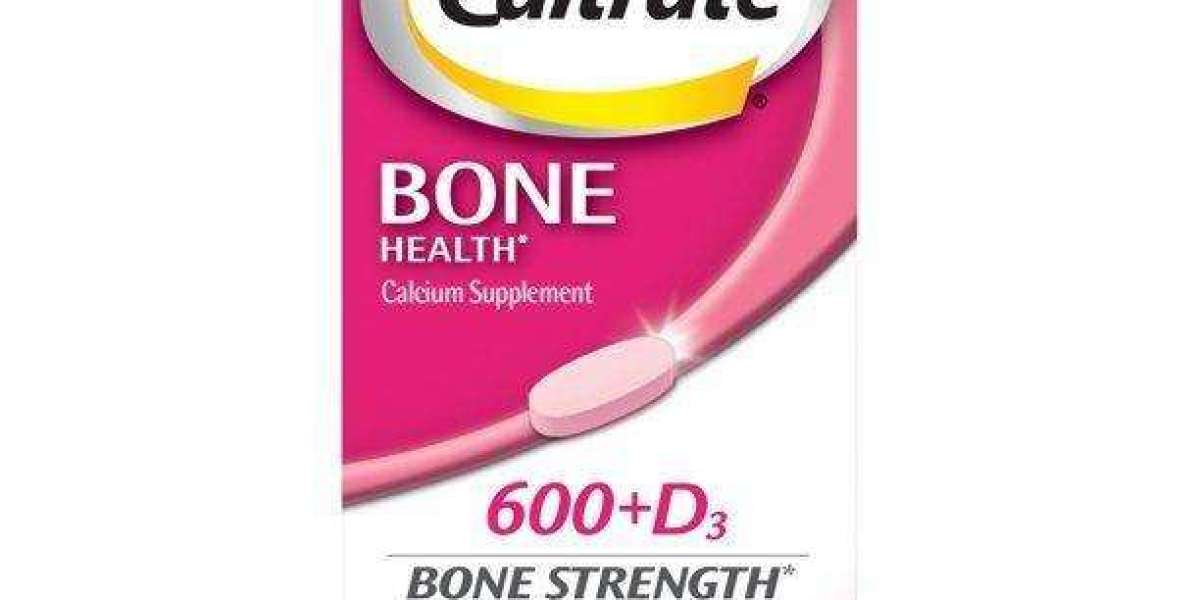
Some individuals may choose to complement a healthy diet with nutritional products designed to support bone health. For those interested in additional nutritional support, Caltrate tablets, available through Vitamins House, are often considered as part of a broader bone wellness routine alongside healthy eating and lifestyle habits.
Common Mistakes That Can Affect Bone Health
Many people unknowingly make choices that may weaken bone health over time.
These include:
- Skipping meals regularly
- Consuming too little calcium
- Avoiding nutrient-rich foods
- Living a sedentary lifestyle
- Following restrictive diets without proper planning
Making small improvements in daily habits can help protect bone strength over the long term.
Conclusion
Building stronger bones begins with smart nutritional choices. A diet rich in calcium, vitamin D, protein, magnesium, potassium, and vitamin K provides the nutrients your body needs to support healthy bone development and maintenance.
Combined with regular exercise, proper hydration, and healthy lifestyle habits, good nutrition can help maintain bone strength throughout every stage of life. By making thoughtful food choices today, you can support stronger, healthier bones for years to come.