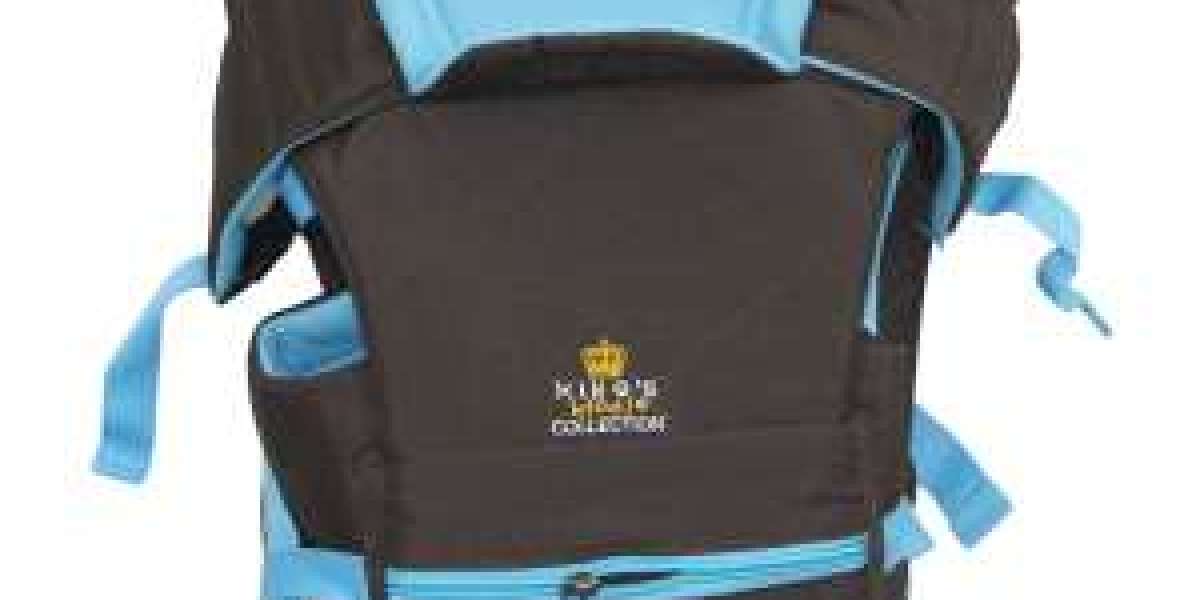

A best baby carrier helps parents keep their baby close while staying active throughout the day.
Key Takeaways
- Supports healthy baby development when used correctly.
- Allows hands-free movement during daily activities.
- Reduces strain through ergonomic weight distribution.
- Available in multiple styles for different parenting needs.
- Breathable materials improve comfort in Kenya's warm climate.
- Proper positioning is more important than price.
What Is the Best Baby Carrier?
The best baby carrier is one that keeps your baby secure, supports healthy hip development, distributes weight evenly, and remains comfortable for extended use.
Experts recommend choosing a carrier that:
- Supports the baby's natural sitting position.
- Keeps the airway visible and unobstructed.
- Adjusts easily as your child grows.
- Fits the parent comfortably.
- Uses durable and breathable materials.
A quality ergonomic baby carrier should prioritize both safety and comfort rather than focusing only on appearance or trends.
The ideal carrier provides ergonomic support, secure positioning, adjustable features, and comfort for both baby and parent.
Why Are Baby Carriers Popular Among Kenyan Parents?
Parents across Kenya often balance childcare with busy schedules, shopping trips, commuting, family visits, and outdoor activities.
A reliable infant carrier allows caregivers to remain mobile while maintaining close contact with their child.
Many families prefer babywearing because it:
- Encourages bonding.
- Makes movement easier in crowded areas.
- Eliminates the need for bulky equipment during short outings.
- Provides convenience when traveling.
Baby carriers combine convenience, comfort, mobility, and closeness between parent and child.
Which Type of Baby Carrier Is Best?
Different situations call for different solutions.
Soft Structured Carrier
A soft structured carrier uses buckles and padded straps to provide excellent support for daily use.
Best for:
- Shopping trips
- Long walks
- Everyday parenting
Baby Wrap
A baby wrap carrier uses fabric tied around the body to create a customized fit.
Best for:
- Newborns
- Skin-to-skin bonding
- Flexible positioning
Sling Carrier
A baby sling offers quick access and simple adjustments.
Best for:
- Short outings
- Breastfeeding support
- Newborn carrying
Hiking Carrier
A child hiking carrier provides additional support for older babies during outdoor adventures.
Best for:
- Nature walks
- Family trips
- Extended carrying periods
Structured carriers work well for everyday use, while wraps, slings, and hiking carriers suit specific lifestyles and age groups.
What Features Should You Look For Before Buying?
Choosing the right carrier involves more than selecting a design you like.
Important features include:
Ergonomic Design
A good hip-healthy baby carrier supports natural leg positioning and healthy development.
Breathable Fabric
A mesh baby carrier can improve airflow, particularly in warmer regions of Kenya.
Adjustable Support
Parents vary in height and body shape. Adjustable straps help create a secure fit.
Weight Capacity
A newborn to toddler carrier offers greater long-term value because it adapts as the child grows.
Easy Maintenance
Removable and washable materials simplify everyday care.
Focus on comfort, safety, breathability, adjustability, and long-term usability.
How Does a Baby Carrier Improve Daily Life?
Parents frequently report that carrying their child helps them stay productive while maintaining physical closeness.
A well-designed hands-free baby carrier allows caregivers to:
- Complete household tasks.
- Navigate busy shopping areas.
- Attend social events comfortably.
- Travel with fewer accessories.
Many families appreciate the freedom and flexibility that babywearing provides.
Common Mistakes to Avoid
Several purchasing mistakes can lead to discomfort or reduced safety.
Avoid:
- Choosing based only on price.
- Ignoring weight recommendations.
- Using incorrect carrying positions.
- Buying a carrier without adjustable settings.
- Overlooking fabric quality.
A poorly fitted baby carrying system may place unnecessary pressure on the shoulders, back, and hips.
What Most People Get Wrong
Many parents believe that all baby carriers offer the same benefits.
In reality, differences in design, support, materials, and fit can significantly affect comfort and safety.
Another common misconception is that expensive products automatically provide superior performance. Proper fit and correct usage matter far more than branding alone.
Some caregivers also assume that babies can be positioned in any way inside a carrier. Experts consistently stress the importance of maintaining healthy hip alignment and a clear airway.
What Experts Agree On
Babywearing educators, pediatric specialists, and child development professionals generally agree on several key principles.
Proper Positioning Matters Most
The baby's knees should sit higher than the bottom to support healthy hip development.
Airway Safety Is Essential
The baby's face should remain visible at all times.
Comfort Improves Consistency
Parents are more likely to use carriers regularly when weight is distributed evenly.
Adjustability Adds Value
A properly adjusted front carry baby carrier can support growing children across multiple developmental stages.
Experts prioritize safe positioning, ergonomic support, visibility, and comfort over brand popularity.
Common Questions From Peoples
Is a baby carrier safe for newborns?
Yes. Many carriers are designed specifically for newborns and provide appropriate head and neck support when used according to instructions.
Can babies sleep in a carrier?
Many babies naturally fall asleep while being carried. Parents should regularly monitor breathing and positioning.
What is the healthiest carrying position?
Experts generally recommend an ergonomic "M" position that supports healthy hip alignment.
Which carrier works best in hot weather?
A breathable baby carrier made with lightweight mesh materials can improve airflow and comfort.
How long can I use a baby carrier?
Most modern carriers support children from infancy through toddlerhood, depending on the model's weight limits.
Why Trust Kings Collection for Baby Essentials in Kenya?
Established in 1983 through Kings Wear Ltd., Kings Collection has served Kenyan families for decades through a commitment to quality, reliability, and customer satisfaction.
Founded by Mr. Ramji Gami and now supported by the next generation of leadership, the company has grown into a trusted household name with products available across leading supermarkets and specialty stores throughout Kenya.
Parents looking for dependable baby products can benefit from choosing suppliers with a long-standing reputation for quality and service.
Contact Information
Kings Collection
Address: Kawangware Naivasha Rd, Nairobi, 343007-00100, Kenya
Phone: +254 720 203333
Email: info@kings.co.ke
Website: https://kingscollection.co.ke/
Making the Right Choice for Your Growing Family
The right baby carrier is not simply about convenience. It supports comfort, safety, mobility, and daily connection between parent and child.
By understanding carrier types, safety principles, and expert recommendations, parents can confidently select a solution that meets their family's needs today and continues supporting their child as they grow.