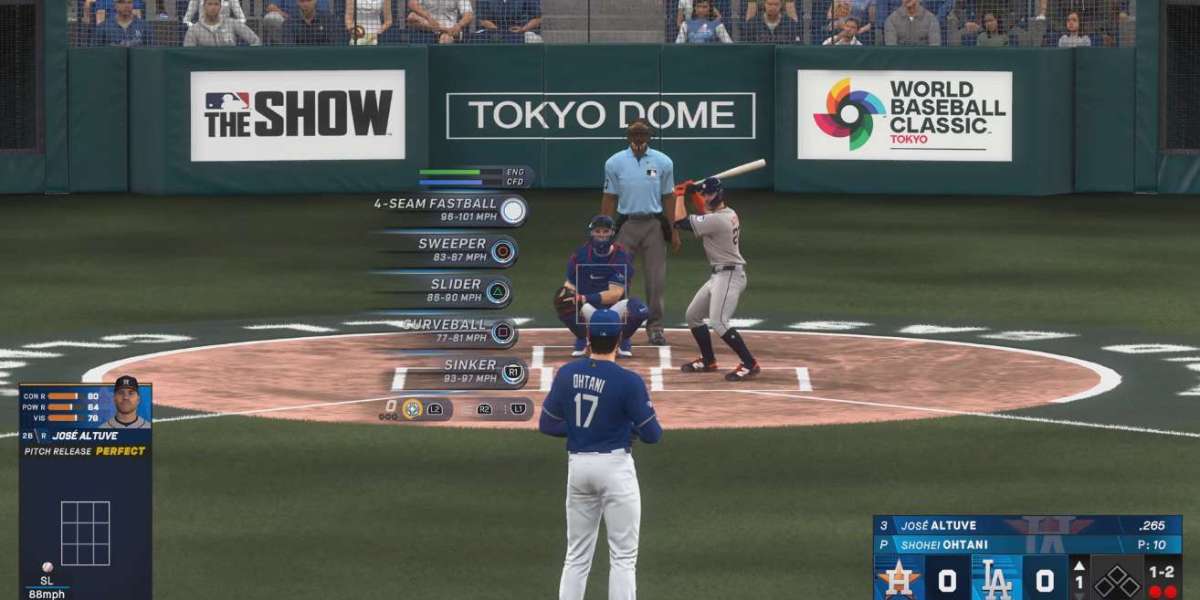

Making millions of stubs in Diamond Dynasty doesn't require playing the market 24/7 or pulling a legendary card from a standard pack. The most reliable wealth builder in the game is mastering the bi-weekly roster updates. When real-world MLB players dominate on the field, San Diego Studios upgrades their in-game attributes. If you buy their cards when they are cheap and sell them after they get upgraded, you can turn a modest bankroll into a fortune.
The Math Behind Roster Upgrades
The entire investment strategy revolves around quick-sell floors. Every tier in MLB The Show 26 has a guaranteed minimum price that the game will pay you instantly for a card, eliminating the risk of market crashes if you buy at the floor.
Silver (75-79 OVR): Low risk, high volume.
Gold (80-84 OVR): The sweet spot. Gold cards bought near the 1,000-stub baseline jump straight to a 3,000-stub quick-sell value when they cross the 85 OVR threshold into Diamond status.
Tripling your investment without paying the 10% marketplace tax is where the real profit lives. If you secure 100 copies of a hot Gold card at 1,005 stubs each (about 100,500 stubs total) and that player hits an 85 OVR Diamond rating, your inventory instantly converts into 300,000 stubs. That is a clean 199,500 stub profit from just one player.
Key Targets in the Current Market
The smartest moves right now focus on players with massive statistical backings in real life that the in-game attributes haven't fully caught up to yet.
The Gold-to-Diamond Locks
Look closely at high-end Golds currently sitting at 83 or 84 OVR. If a starting pitcher has put together three or four consecutive dominant outings, their K/9 (strikeouts per nine innings) and H/9 (hits per nine innings) attributes are bound for a massive boost. For hitters, look at isolated power against a specific hand. A player batting .340 against righties over the last month is a prime candidate to jump two overall points.
When tracking these cards on the community marketplace, patience is key. Do not buy into the hype on Thursday night right before an update when prices inflate. Instead, place your buy orders immediately after a content drop or during weekend flash sales when the market dips.
The Silver Sleeper Waves
Never overlook the power of the Silvers. While turning a Gold into a Diamond gives you a 2,000-stub net profit per card, buying up high-percentage Silvers (78-79 OVR) at their 400-stub floor can yield ridiculous percentage returns when they hit Gold.
For instance, young breakout stars or high-leverage relievers with skyrocketing strikeout rates are perfect targets. If you manage to stockpile 300 copies of an underrated 79 OVR Silver reliever at 410 stubs each, you invest roughly 123,000 stubs. The moment that card ticks up to an 80 OVR Gold, the quick-sell floor bumps to 1,000 stubs, turning your binder into 300,000 stubs.
Strategic Market Timing
The absolute golden rule of investing is to outwork the casual player base. Most people watch a player have a big game on a Tuesday night and instantly rush to buy the card, driving the price up close to the next tier's value. There is no money to be made buying an 84 OVR Gold card for 2,800 stubs; even if he goes Diamond, you only make 200 stubs per card before tax.
To maximize your budget, build your portfolio a full week to ten days before the next scheduled roster update. If you find your virtual bank account running low while trying to fill your binder with hundreds of duplicate cards, checking out a trusted marketplace like U4N to buy MLB The Show stubs can instantly give you the capital needed to corner the market on a specific player before their price explodes.
Knowing When to Sell: The Hype vs. The Reality
There are two schools of thought when it comes to cashing out, and the right choice depends on your risk tolerance:
Selling on Hype: If your 1,000-stub investment has inflated to 2,600 stubs on the marketplace the night before the update, selling right then guarantees a massive, tax-adjusted profit. You completely remove the risk of San Diego Studios throwing a curveball and leaving the player's rating unchanged.
Holding for Quick-Sell: If you are 100% confident in the real-world metrics, hold the cards through Friday at noon. The second the update goes live and the card changes color, go into your inventory and quick-sell the stack to instantly liquidate your assets into raw currency.
Diversify your portfolio across four to five different players to shield yourself from a single bad real-world performance, stay disciplined with your buy orders, and you will have more than enough capital to complete the live series collections in no time.