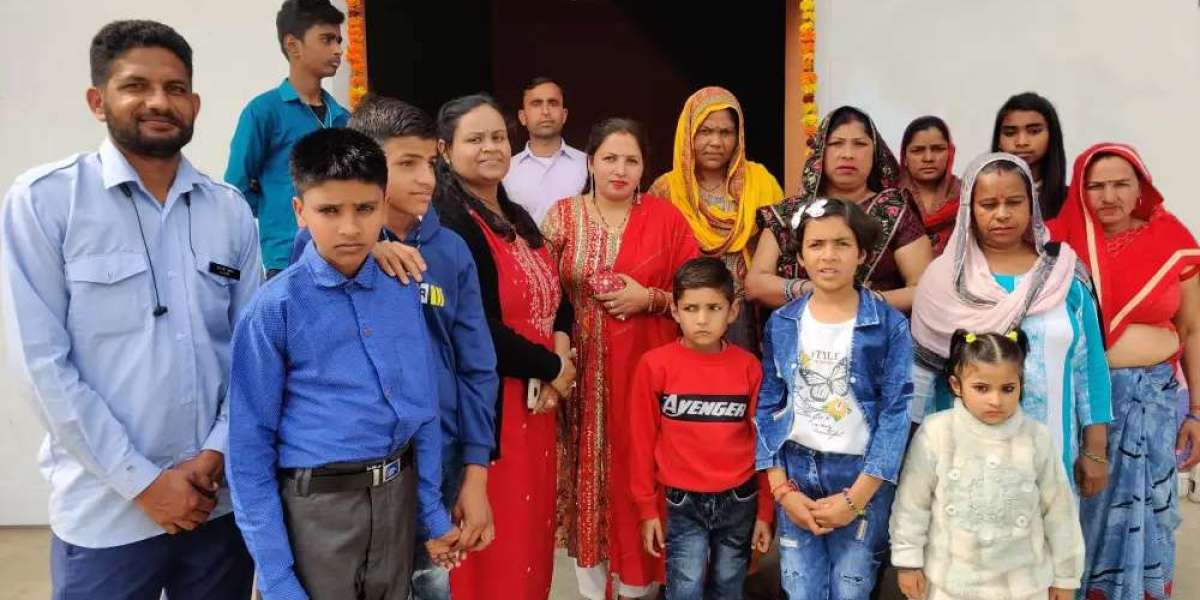

In a country as vast and diverse as India, Non-Profit Organizations (NPOs) play a vital role in addressing social, economic, and environmental challenges. From education and healthcare to poverty alleviation and women empowerment, NPOs are at the forefront of driving meaningful change. However, with thousands of organizations working across different sectors, a common question arises: What truly makes an organization the best NPO in India today?
The answer goes beyond popularity or size. The “best” NPO is defined by its impact, transparency, sustainability, and ability to create long-term change. Let’s explore the key factors that distinguish a top-performing NPO in India.
Clear Mission and Strong Vision
Every successful NPO begins with a clear mission and vision. These define the organization’s purpose and guide its actions.
A strong NPO:
- Has a well-defined goal
- Focuses on specific social issues
- Aligns its programs with its mission
For example, CRY (Child Rights and You) focuses on ensuring children’s rights, while Akshaya Patra Foundation works toward eliminating classroom hunger.
A clear mission ensures that the organization remains focused and effective.
Measurable Impact and Results
Impact is the most important factor in determining the effectiveness of an NPO. The best organizations don’t just carry out activities—they deliver measurable outcomes.
They:
- Track the number of beneficiaries
- Measure improvements in quality of life
- Share data-driven results
For instance, Pratham conducts large-scale assessments like ASER to evaluate learning outcomes across India.
Impact-driven organizations ensure that their efforts lead to real and lasting change.
Transparency and Accountability
Trust is essential in the non-profit sector. Donors and stakeholders need to know how funds are being used.
Top NPOs:
- Publish annual reports
- Share financial statements
- Provide clear breakdowns of expenses
Organizations like Goonj are known for their transparent operations and innovative use of resources.
Transparency builds credibility and encourages long-term support.
Efficient Use of Resources
The best NPOs maximize the impact of every rupee they receive.
They:
- Minimize administrative costs
- Allocate funds effectively
- Focus on high-impact programs
Efficient resource management ensures that more resources reach the intended beneficiaries.
Innovation and Adaptability
Social challenges are constantly evolving, and NPOs must adapt to remain effective.
Top organizations:
- Use innovative solutions
- Adopt new technologies
- Experiment with different approaches
For example, Khan Academy has transformed education by providing free digital learning resources globally.
Innovation allows NPOs to address problems more effectively and reach wider audiences.
Strong Leadership and Governance
Leadership plays a crucial role in the success of any organization.
The best NPOs have:
- Experienced and passionate leaders
- Clear governance structures
- Ethical decision-making processes
Strong leadership ensures that the organization stays aligned with its mission and maintains high standards.
Community Engagement and Participation
An effective NPO works closely with the communities it serves. Instead of imposing solutions, it involves people in the process.
Top organizations:
- Understand local needs
- Encourage community participation
- Build trust with beneficiaries
This approach leads to more sustainable and impactful outcomes.
Focus on Sustainability
Short-term solutions are not enough to create lasting change. The best NPOs focus on sustainability.
They:
- Develop long-term programs
- Build local capacity
- Reduce dependency on external support
Sustainable initiatives ensure that the impact continues even after the program ends.
Collaboration and Partnerships
No organization can solve complex social issues alone. The best NPOs collaborate with:
- Government bodies
- Corporates
- Other NGOs
- International organizations
For example, Teach For India works with schools, communities, and policymakers to improve education.
Collaboration amplifies impact and enables large-scale change.
Leveraging Technology
Technology has become a powerful tool for social impact. Top NPOs use it to:
- Improve program delivery
- Reach remote areas
- Track and analyze data
- Engage with donors
During the COVID-19 pandemic, many NPOs used digital platforms to continue their work despite challenges.
Effective Communication and Awareness
A great NPO knows how to communicate its mission and impact effectively.
They:
- Share success stories
- Raise awareness about social issues
- Engage with supporters
Platforms like Instagram and Facebook help organizations connect with a wider audience and build strong communities.
Scalability and Reach
The ability to scale programs is another key factor. The best NPOs can expand their impact without compromising quality.
They:
- Replicate successful models
- Reach multiple regions
- Adapt programs to different contexts
Organizations like Akshaya Patra Foundation operate on a large scale, serving millions of children daily.
Ethical Practices and Integrity
Integrity is non-negotiable in the non-profit sector.
Top NPOs:
- Follow ethical practices
- Maintain honesty in operations
- Respect the dignity of beneficiaries
This ensures long-term trust and credibility.
Volunteer and Donor Engagement
The best organizations value their supporters and create opportunities for involvement.
They:
- Encourage volunteering
- Provide updates to donors
- Build long-term relationships
Engaged supporters are more likely to continue contributing and advocating for the cause.
Addressing Root Causes
Rather than focusing only on symptoms, top NPOs address the root causes of social issues.
For example:
- Instead of just providing food, they work on improving livelihoods
- Instead of only enrolling children in school, they improve learning outcomes
This approach leads to deeper and more sustainable impact.
Recognition and Credibility
While not the only factor, recognition can indicate credibility.
Top NPOs often:
- Receive awards and certifications
- Partner with reputable organizations
- Gain positive media coverage
However, recognition should always be considered alongside actual impact.
Challenges in Defining the “Best”
It’s important to note that there is no single “best” NPO in India. Different organizations excel in different areas.
For example:
- Some focus on education
- Others on healthcare or environment
- Some operate locally, others nationally
The “best” NPO for you depends on your priorities and values.
Conclusion
What makes an organization the best NPO in India today is not just its size or popularity, but its ability to create meaningful, measurable, and sustainable impact. From transparency and innovation to community engagement and ethical practices, multiple factors come together to define excellence in the non-profit sector.
Organizations like CRY, Akshaya Patra, Pratham, Goonj, and Teach For India demonstrate how dedication and effective strategies can transform lives.
Ultimately, the best NPO is one that aligns with your values and consistently works toward positive change. By supporting such organizations, you contribute to building a more equitable and empowered society.
Choosing wisely ensures that your efforts—whether through donations, volunteering, or advocacy—make a real difference where it matters most.