
Reliable power transmission and distribution systems depend heavily on the quality and performance of overhead cables. For utilities, EPC contractors, and procurement teams, choosing the right overhead cable solution directly affects grid reliability, project costs, and long-term maintenance efficiency.
As power infrastructure expands globally to support urbanization, renewable integration, and rural electrification, overhead cable systems continue to play a vital role in delivering electricity safely and efficiently across long distances. This guide explores how overhead cables work, their main types, common challenges in power projects, and how manufacturers like HNBF Power help utilities implement durable, cost-effective solutions.
What Is an Overhead Cable?
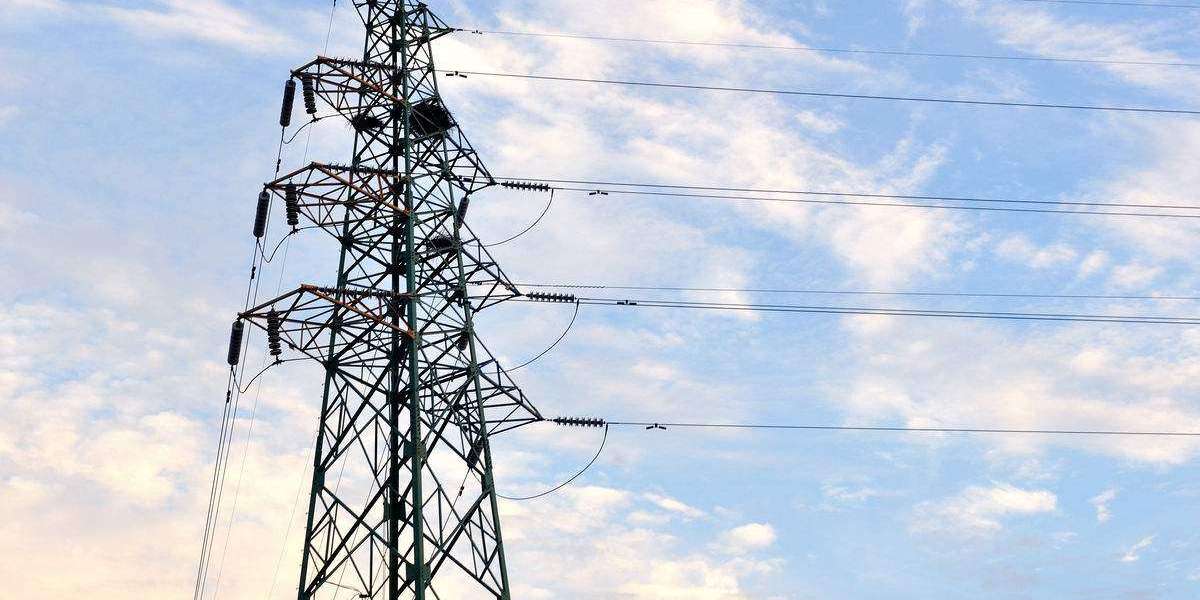
An overhead cable is an electrical conductor system installed above ground on poles or transmission towers to transmit and distribute electricity. Unlike underground cables, overhead cables are easier to install, inspect, and maintain, making them the preferred option for most transmission and distribution networks worldwide.
Overhead cables are commonly used in:
High-voltage transmission lines
Medium and low-voltage distribution networks
Rural electrification projects
Urban power grid extensions
Industrial and infrastructure developments
Because these cables operate in open environments, they must be designed to withstand mechanical stress, temperature variations, wind, corrosion, and electrical load demands.
Types of Overhead Cables Used in Power Distribution
Selecting the appropriate conductor type is critical for engineers and procurement teams when designing reliable grid systems. Several types of overhead cables are commonly used in modern transmission and distribution networks.
AAC – All Aluminum Conductor
AAC conductors are widely used in short-distance distribution lines due to their excellent electrical conductivity and lightweight structure.
Advantages include:
High conductivity
Good corrosion resistance
Cost-effective for distribution lines
Suitable for urban power networks
However, AAC conductors have lower tensile strength compared to reinforced conductors, which may limit their use in long-span transmission projects.
AAAC – All Aluminum Alloy Conductor
AAAC conductors are made from aluminum-magnesium-silicon alloy and are designed to improve strength while maintaining good conductivity.
Key benefits include:
Higher mechanical strength than AAC
Improved corrosion resistance
Longer service life in harsh environments
Suitable for coastal and industrial areas
AAAC cables are often chosen for medium and long-span distribution networks.
ACSR – Aluminum Conductor Steel Reinforced
ACSR is one of the most widely used overhead transmission conductors worldwide. It consists of aluminum strands surrounding a steel core that provides high mechanical strength.
ACSR conductors are ideal for:
Long-distance transmission lines
High mechanical load environments
Areas with strong wind or ice loading
Large span installations between towers
Their combination of conductivity and tensile strength makes them a preferred solution for large-scale power infrastructure projects.
ABC – Aerial Bundled Cable
Aerial Bundled Cable (ABC) is increasingly used in urban and residential distribution networks. It consists of insulated conductors bundled together and supported by a messenger wire.
Utilities often choose ABC systems because they provide:
Improved electrical safety
Reduced power theft
Lower maintenance costs
Better performance in densely populated areas
ABC cables are particularly effective in modern distribution networks where reliability and safety are top priorities.
Key Challenges in Overhead Cable Projects
While overhead cables remain the backbone of global power infrastructure, utilities and contractors frequently face several challenges during design and installation.
Environmental Stress
Overhead conductors are exposed to weather conditions including wind, rain, UV radiation, temperature fluctuations, and corrosion. Poor-quality cables can degrade quickly, leading to failures and expensive replacements.
Mechanical Load Requirements
Transmission lines often span long distances between towers. Conductors must withstand high tension, ice loading, and vibration without mechanical failure.
Electrical Efficiency
Energy losses during transmission directly affect grid efficiency. High-quality conductors with optimized conductivity help reduce transmission losses and improve system performance.
Maintenance and Reliability
Frequent outages or cable failures increase operational costs and reduce customer satisfaction. Utilities require reliable conductors that can operate efficiently for decades.
How HNBF Power Supports Modern Power Infrastructure
To overcome these challenges, utilities and EPC contractors partner with experienced conductor manufacturers that can deliver reliable and certified products.
HNBF Power is a global manufacturer specializing in overhead conductors and power cable solutions for transmission and distribution networks. The company provides a complete range of products including:
AAC conductors
AAAC conductors
ACSR conductors
Aerial bundled cables (ABC)
Low-voltage power cables
Concentric cables for distribution systems
These solutions are designed to meet the demanding requirements of utility projects, ensuring strong mechanical performance, stable conductivity, and long service life.
Advantages of Choosing High-Quality Overhead Cables
Investing in high-quality overhead cables provides multiple long-term benefits for utilities and infrastructure developers.
Improved Grid Reliability
High-performance conductors reduce the risk of outages and system failures, ensuring stable electricity delivery to consumers.
Lower Lifecycle Costs
Durable conductors minimize maintenance and replacement costs, making them a cost-effective solution over the lifespan of the power network.
Efficient Power Transmission
Optimized conductor design improves electrical efficiency, reducing transmission losses and supporting sustainable energy infrastructure.
Flexible Application
Modern overhead cables can be customized for different voltage levels, span lengths, and environmental conditions.
Why Utilities Choose HNBF Power
Utilities, EPC contractors, and procurement teams choose HNBF Power for several important reasons:
Advanced conductor manufacturing technology
Strict quality control and international standards compliance
Wide product portfolio for transmission and distribution
Engineering support for project design and customization
Reliable supply for large-scale infrastructure projects
By combining technical expertise with consistent product quality, HNBF Power helps power companies build efficient and resilient electrical networks.
Frequently Asked Questions
1. What is the main advantage of overhead cables compared to underground cables?
Overhead cables are generally easier to install, inspect, and repair. They also have lower installation costs, making them ideal for large transmission and distribution networks.
2. Which overhead conductor is best for long-distance transmission?
ACSR conductors are commonly used for long-distance transmission lines because their steel core provides high tensile strength while aluminum strands ensure good electrical conductivity.
3. Where are aerial bundled cables typically used?
Aerial bundled cables are widely used in urban distribution systems, residential areas, and locations where safety, reliability, and reduced power theft are important.
4. How long do overhead conductors typically last?
High-quality overhead conductors can operate for 30 to 40 years or more depending on environmental conditions, installation quality, and maintenance practices.
5. Can overhead cables be customized for specific projects?
Yes. Manufacturers can customize conductor size, material composition, and mechanical strength to meet the specific requirements of transmission and distribution projects.
Build Reliable Power Networks with HNBF Power
Choosing the right overhead cable is essential for building efficient, durable, and cost-effective power transmission systems. Utilities and EPC contractors must carefully evaluate conductor performance, mechanical strength, and long-term reliability before selecting suppliers.
If you are planning a power transmission or distribution project and need high-quality overhead conductor solutions, the engineering team at HNBF Power can help.
Contact HNBF Power today to discuss your project requirements and receive customized overhead cable solutions designed for modern power infrastructure.